
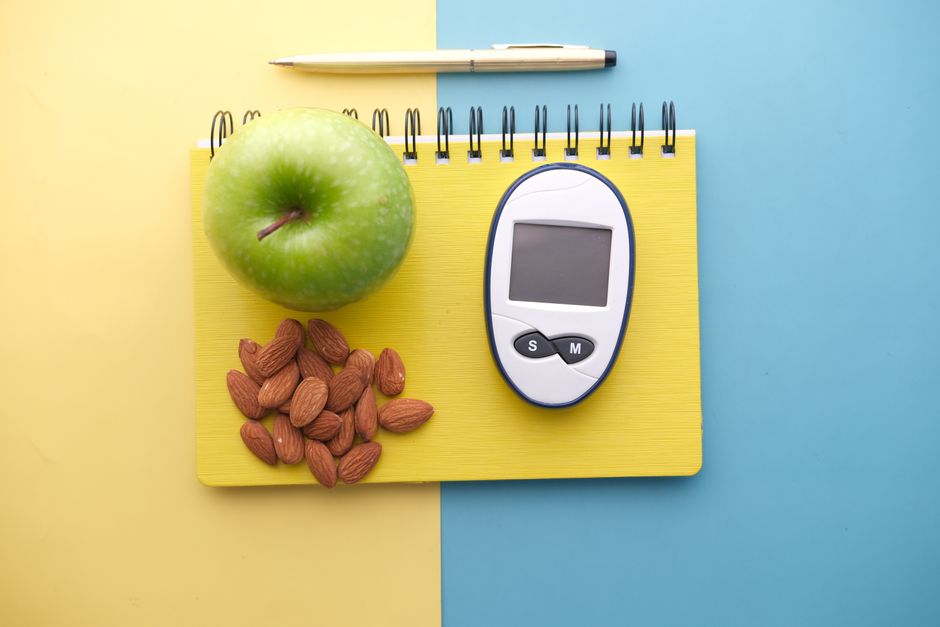
If you want to lower blood sugar at home, the most effective steps are the ones that change how your body handles glucose every day: move your muscles regularly, eat fiber and protein alongside carbohydrates, cut back on sugary drinks, get enough sleep, manage stress, and take prescribed medication exactly as directed. These are not tricks or supplements. They are the same fundamentals that clinical guidelines have pointed to for years, and they work because they target how glucose gets into your cells and how much gets released into your blood. Some of the “8 ways” floating around online have real evidence behind them. Others do not. Here is an honest look at what holds up.
What Actually Raises Blood Sugar?
Blood sugar rises when glucose enters your bloodstream faster than your cells can take it up. That happens for a few reasons, and understanding them makes the rest of this article make more sense.
When you eat carbohydrates, your digestive system breaks them into glucose. The hormone insulin then signals your cells to absorb that glucose. In type 2 diabetes, cells respond poorly to insulin — a state called insulin resistance — and the pancreas may not produce enough insulin to compensate. In type 1 diabetes, the pancreas produces little or no insulin. Either way, glucose stays in the blood.
But food is not the only driver. The liver releases stored glucose, especially overnight and during stress. The hormone cortisol rises with stress and poor sleep, and it pushes blood sugar up. This is why someone can eat the same meal on two different days and see different readings. Blood sugar is not just about what is on your plate.
This matters because it means the levers you can pull at home are broader than diet alone.
How To Lower Blood Sugar At Home 8 Proven Ways
The following steps have the strongest support. None of them replace medical care for diabetes, and none of them work overnight. Think weeks, not days.
1. Move your muscles after meals
Working muscles pull glucose out of the blood without needing much insulin. A short walk after eating uses that effect. Research on post-meal walking has found modest reductions in blood sugar compared with sitting. You do not need a gym. Ten to fifteen minutes of easy movement after a meal is enough to matter.
2. Eat fiber with your carbohydrates
Fiber slows digestion, so glucose enters the blood more gradually. Soluble fiber, found in oats, beans, and some fruits, has the clearest effect. Aim to include vegetables, legumes, or whole grains with meals rather than eating refined carbohydrates alone.
3. Pair carbs with protein or fat
A slice of bread on its own spikes blood sugar faster than the same bread eaten with eggs or nut butter. Protein and fat slow stomach emptying. This is a simple change that does not require giving up foods you enjoy.
4. Cut sugary drinks
Liquid sugar hits the bloodstream fast and with little to slow it down. Regular soda, sweetened coffee drinks, and many fruit juices are among the biggest single sources of rapid glucose spikes. Water, unsweetened tea, and plain coffee are the obvious swaps.
5. Get consistent sleep
Short sleep and poor sleep quality raise cortisol and reduce insulin sensitivity. Studies have linked sleep restriction to higher blood sugar the following day. Seven to nine hours is the general adult range. Consistency in sleep timing may matter as much as total hours.
6. Manage stress
Chronic stress keeps cortisol elevated, and cortisol raises blood sugar. This is not a soft suggestion — it is physiology. What works for stress varies by person. What matters is having something reliable, whether that is walking, breathing exercises, or time with people you trust.
7. Stay hydrated with water
Dehydration concentrates glucose in the blood. Drinking water throughout the day helps your kidneys clear excess glucose through urine. This is a small effect on its own but a real one, and it costs nothing.
8. Take your medication as prescribed
If you have been prescribed insulin or another glucose-lowering medication, taking it consistently is one of the most powerful things you can do. Skipping doses or “saving” medication for high readings undermines the whole point. Talk to your clinician before changing anything about your regimen.
Do Supplements and “Blood Sugar Teas” Work?
Most do not have strong evidence behind them. This is where a lot of online advice goes wrong.
Some small studies have looked at cinnamon, berberine, chromium, and bitter melon. Results have been mixed, sample sizes are often small, and effects — when found — tend to be modest. That is not the same as “proven.” No supplement has been shown to replace medication for diabetes, and some interact with drugs or affect the liver.
Be skeptical of anything marketed as a natural cure. If a product claims to lower blood sugar dramatically without diet, movement, or medication, the claim is almost certainly not supported. Talk to your clinician or pharmacist before starting any supplement, especially if you take prescription medication.

Which Foods Help and Which Hurt?
The single biggest dietary factor is how fast a food raises blood sugar, and how much of it you eat. The table below shows general patterns, not exact numbers. Individual responses vary.
| Food type | General effect on blood sugar |
|---|---|
| Non-starchy vegetables (leafy greens, broccoli, peppers) | Minimal rise |
| Beans, lentils, whole grains | Slow, moderate rise |
| Whole fruit | Moderate rise, buffered by fiber |
| White bread, white rice, sugary cereal | Faster, larger rise |
| Soda, juice, sweetened coffee drinks | Very fast, large rise |
This does not mean you must avoid every food in the bottom rows. It means portion size, timing, and what you eat alongside them all matter. A smaller portion of white rice with vegetables and protein behaves differently than a large portion alone.
How Long Does It Take to See a Difference?
Some changes show up quickly. A walk after a meal can lower a reading within an hour. Cutting sugary drinks may show an effect within days to a few weeks. Changes to insulin sensitivity from regular exercise and better sleep tend to take several weeks to become consistent.
Longer-term markers like A1C, which reflects average blood sugar over roughly the previous two to three months, move on a slower timeline. Do not judge a new habit by a single reading. Track trends, not single numbers.
If your readings are not improving after several weeks of consistent effort, that is information — not failure. It may mean you need a medication adjustment, and that is a conversation to have with your clinician.
When Home Steps Are Not Enough
Home strategies help, but they have limits. Type 1 diabetes always requires insulin. Many people with type 2 diabetes need medication even when they do everything right. Needing medication is not a sign that you failed at lifestyle changes — it means your body needs more support.
Some situations need medical attention right away. Seek care if you have very high readings that will not come down, symptoms of confusion, extreme thirst with frequent urination, nausea, or difficulty breathing. These can signal a serious problem.
Also talk to your clinician before making major changes if you take insulin or a medication that can cause low blood sugar. Increasing activity or cutting carbohydrates can push your blood sugar too low if your doses are not adjusted. This is a real risk, not a theoretical one.
Frequently Asked Questions
Can I lower my blood sugar without medication?
Some people with early type 2 diabetes can lower blood sugar through diet, exercise, sleep, and stress management alone. Whether that is possible for you depends on how much insulin your body still makes and how well your cells respond to it.
What is the fastest way to lower blood sugar at home?
Short bouts of movement, especially walking after a meal, tend to lower blood sugar faster than any dietary change. Drinking water and avoiding sugary drinks also help within hours.
Does cinnamon really lower blood sugar?
Some small studies suggest cinnamon may have a modest effect, but results are inconsistent and the evidence is not strong enough to recommend it as a treatment. It should not replace medication or lifestyle changes.
How long does it take to lower A1C naturally?
A1C reflects average blood sugar over roughly two to three months, so meaningful changes typically take at least that long to show up. Consistent habits over several months matter more than any single change.
