
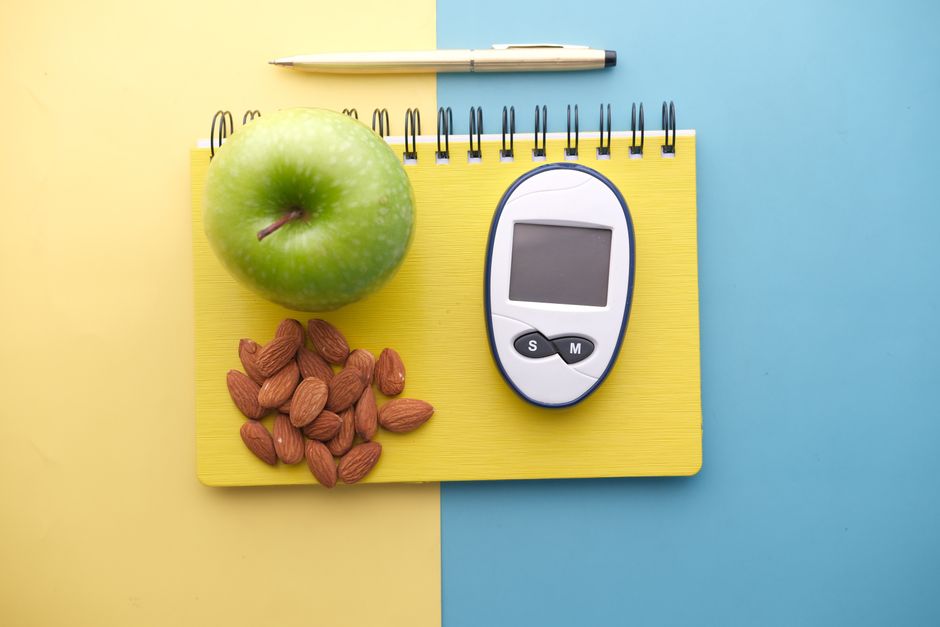
Lowering your A1C and blood sugar comes down to a few proven strategies: reducing refined carbohydrates, increasing physical activity, and—when needed—using medication exactly as prescribed. Weight loss of even 5-10% of body weight consistently improves blood sugar control in people with type 2 diabetes. These are the interventions with the strongest evidence behind them, and they work together rather than in isolation.
What Does the A1C Test Actually Measure?
The A1C test shows your average blood sugar over the past two to three months. It does this by measuring how much glucose is attached to hemoglobin, the protein in red blood cells that carries oxygen. Because red blood cells live about 120 days, the test reflects long-term trends rather than a single day’s readings.
A normal A1C is below 5.7%. A result between 5.7% and 6.4% indicates prediabetes. A diagnosis of diabetes is made when A1C reaches 6.5% or higher on two separate tests. Your doctor may also use fasting blood sugar or an oral glucose tolerance test to confirm the diagnosis.
Understanding what the test measures matters because it explains why daily blood sugar readings and A1C can tell different stories. You can have normal fasting readings but elevated A1C if your blood sugar spikes after meals. The reverse is also possible. Both numbers are useful, but they answer different questions.
How To Lower A1C And Blood Sugar What Actually Works
The most effective approach combines dietary changes, physical activity, and weight management. No single strategy works for everyone, but the evidence consistently supports these core interventions.
Carbohydrate reduction produces the most immediate effect on blood sugar. Carbohydrates break down into glucose during digestion, so eating fewer of them means less glucose enters your bloodstream. This is not about eliminating carbs entirely. It is about choosing fewer refined carbohydrates—white bread, sugary drinks, pastries—and replacing them with vegetables, legumes, and whole grains that digest more slowly.
Physical activity lowers blood sugar in two ways. During exercise, your muscles use glucose directly from your bloodstream for energy. Over time, regular activity improves insulin sensitivity, meaning your cells respond better to the insulin your body produces. The American Diabetes Association recommends at least 150 minutes of moderate-intensity aerobic activity per week, spread over at least three days with no more than two consecutive days without activity.
Weight loss is the intervention with the most durable effect on A1C. Research consistently shows that losing 5-10% of body weight improves glycemic control in people with type 2 diabetes. For someone weighing 200 pounds, that means losing 10-20 pounds. More substantial weight loss—15% or more—can lead to diabetes remission in some people, meaning their A1C returns to normal without medication.
These three strategies compound. Losing weight makes exercise easier. Exercise improves insulin sensitivity. Better insulin sensitivity means your body handles carbohydrates more efficiently. The whole is genuinely greater than the sum of its parts.
Which Foods Lower Blood Sugar Directly?
No food lowers blood sugar on its own. Every food that contains carbohydrates raises blood sugar to some degree. What matters is the speed and size of that rise.
Foods with fiber, protein, and fat slow digestion, which flattens the blood sugar curve after meals. This is why a bowl of oatmeal with nuts and berries produces a gentler glucose response than a bowl of sugary cereal, even if both contain similar total carbohydrates.
Some foods have a particularly strong evidence base for improving glycemic control:
- Non-starchy vegetables like broccoli, spinach, and peppers are low in carbohydrates and high in fiber. They add volume to meals without adding significant glucose.
- Legumes including lentils, chickpeas, and black beans have a low glycemic index and provide substantial fiber and protein.
- Nuts and seeds are low in digestible carbohydrates and high in healthy fats. Some studies suggest regular nut consumption is associated with improved blood sugar control.
- Whole fruits in moderation are preferable to fruit juice. The fiber in whole fruit slows sugar absorption, while juice delivers a rapid glucose spike.
The order you eat foods also matters. Some research suggests eating protein and vegetables before carbohydrates at a meal results in lower post-meal blood sugar than eating carbohydrates first. This is a simple strategy that costs nothing and has no downside.





What About Supplements and Herbal Remedies?
The supplement market for blood sugar is enormous, and most of it is not supported by strong evidence. Some supplements have modest research behind them. Others have none.
Berberine has been studied in several clinical trials and appears to lower blood sugar to a degree comparable to some oral diabetes medications. The mechanism is not fully understood, but it likely involves activating an enzyme called AMPK, which plays a role in cellular energy regulation. Some clinicians recommend it, though quality control in supplements is inconsistent.
Cinnamon is frequently marketed for blood sugar control. Some small studies suggest a modest effect, but larger and better-designed trials have not confirmed significant benefits. The evidence is mixed at best.
Chromium is an essential mineral involved in carbohydrate metabolism. Some studies show benefit in people who are chromium deficient, but most people are not. The evidence does not support routine supplementation for blood sugar control.
No supplement replaces lifestyle changes or medication. If you are considering any supplement, tell your doctor. Some interact with diabetes medications and can cause dangerously low blood sugar.
How Fast Can You Lower Your A1C?
A1C changes slowly because it reflects average blood sugar over months. You will not see a meaningful change in a week. Most people need at least two to three months of consistent effort to see a significant reduction.
A reasonable goal is a 0.5% to 1% reduction in A1C within three months of making serious changes. This corresponds to a meaningful reduction in diabetes complications risk. The Diabetes Control and Complications Trial, a landmark study, showed that every 1% reduction in A1C was associated with a significantly lower risk of eye, kidney, and nerve complications.
Daily blood sugar readings change faster. You can see improvements in fasting glucose and post-meal readings within days to weeks of changing your diet and increasing activity. These daily improvements are encouraging, but they do not directly translate to A1C changes for several months.
If your A1C is not improving despite consistent lifestyle changes, talk to your doctor. Medication adjustment may be necessary. This is not a failure. Diabetes is a progressive condition, and treatment needs to evolve over time.
When Is Medication Necessary?
Lifestyle changes are the foundation of diabetes management, but they are not always sufficient. Many people need medication to reach their A1C goals, and taking medication is not a sign of personal failure.
Metformin is typically the first medication prescribed for type 2 diabetes. It works by reducing glucose production in the liver and improving insulin sensitivity. It is effective, inexpensive, and has decades of safety data behind it.
Other medication classes work through different mechanisms. GLP-1 receptor agonists like semaglutide and liraglutide increase insulin secretion, slow stomach emptying, and reduce appetite. SGLT2 inhibitors like empagliflozin cause the kidneys to excrete more glucose in urine. Both classes have shown cardiovascular benefits in people with diabetes.
Insulin is necessary for people with type 1 diabetes and for some people with type 2 diabetes whose pancreas no longer produces enough insulin. Starting insulin is common and often temporary for people with type 2 diabetes, especially during periods of illness or stress.
The right medication depends on your specific situation—your A1C level, your weight, your kidney function, your cardiovascular risk, and your preferences. This decision belongs in a conversation with your doctor.
Does Stress and Sleep Affect Blood Sugar?
Yes, and the effect is not trivial. Stress hormones like cortisol and adrenaline raise blood sugar by signaling the liver to release stored glucose. This is a survival mechanism, but chronic stress keeps blood sugar elevated.
Sleep deprivation has a similar effect. Studies show that even one night of poor sleep can impair insulin sensitivity the next day. Chronic sleep restriction is associated with higher A1C levels in people with diabetes.
This does not mean stress reduction or better sleep will replace diet and exercise. It means they are part of the picture. Addressing sleep and stress can make your other efforts more effective.
Practical steps include aiming for seven to nine hours of sleep per night, keeping a consistent sleep schedule, and finding stress management techniques that work for you—whether that is walking, meditation, or simply taking breaks during the day.
Frequently Asked Questions
How quickly can I lower my A1C?
Expect at least two to three months of consistent effort before seeing a significant A1C change. A reduction of 0.5% to 1% in that timeframe is a realistic goal.
What is the fastest way to lower blood sugar?
Physical activity lowers blood sugar within hours, and reducing carbohydrate intake lowers it within days. The fastest single action is taking a walk after a meal.
Can I reverse diabetes by losing weight?
Substantial weight loss of 15% or more leads to diabetes remission in some people, meaning A1C returns to normal without medication. This is more likely with earlier intervention and sustained weight loss.
Do supplements actually lower A1C?
Berberine has the strongest evidence and may lower blood sugar modestly. Most other supplements lack convincing clinical trial support, and none replace lifestyle changes or medication.
