
If your blood pressure is high right now, the fastest proven way to bring it down in a medical setting is intravenous medication — but at home, the most reliable short-term step is to stop what you are doing, sit quietly, and breathe slowly for a few minutes. That can lower a reading temporarily. What it cannot do is fix long-term high blood pressure. For lasting results, the evidence points to a small set of changes: less sodium, more potassium from food, regular movement, weight loss if you carry extra weight, and limiting alcohol. This article separates what works quickly from what works permanently, and it flags the situations where you should not try to manage this yourself.
How To Lower Blood Pressure Right Away What Works?
The honest answer is that “right away” depends on how high your pressure is and whether you have symptoms. A single high reading is not always an emergency. Blood pressure moves all day — it rises with stress, caffeine, a full bladder, cold, pain, and even the act of talking during a measurement.
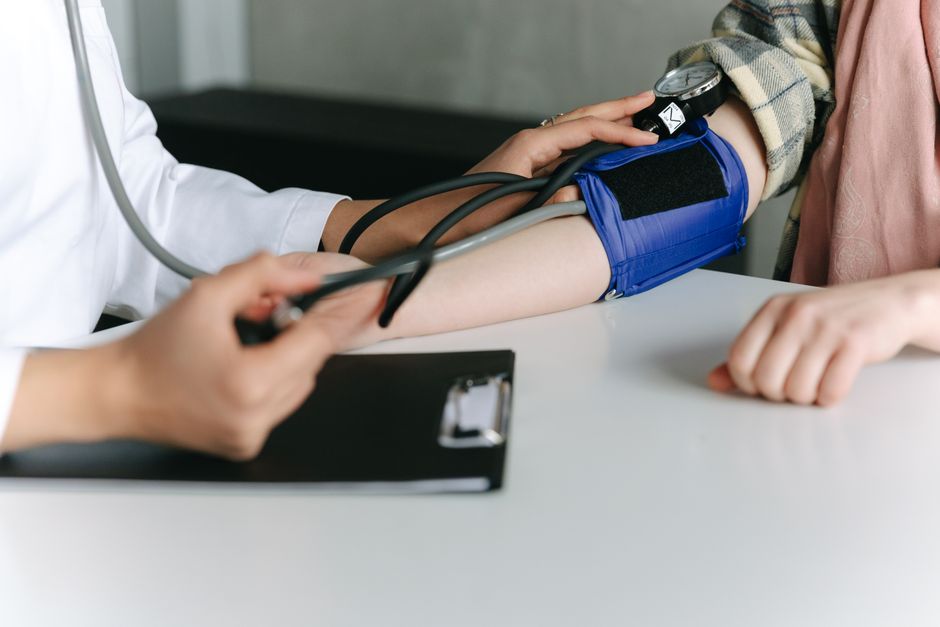
If your reading is high but you feel fine, the first useful step is to repeat the measurement correctly. Sit with your back supported, feet flat, arm at heart level. Rest for five minutes first. Take two or three readings a minute apart and average them. Many people find the number drops simply because the first reading was taken under poor conditions.
If your pressure is severely elevated — generally in the range of 180/120 mm Hg or higher — and you have chest pain, shortness of breath, weakness, trouble speaking, vision changes, or a severe headache, that is a medical emergency. Call 911. Do not wait to see if it comes down on its own, and do not try to treat it at home.
For readings that are high but not in that emergency range, slow breathing for a few minutes can produce a modest, temporary drop. It is real, but it is short-lived. It does not replace treatment.
Does Slow Breathing Actually Lower Blood Pressure?
Yes, but modestly and briefly. Slow, deep breathing activates the parasympathetic nervous system — the branch that calms the body — and that can relax blood vessels and slow the heart slightly.
What the research shows is a small effect, not a dramatic one. Some studies suggest regular slow-breathing practice may produce a modest reduction in blood pressure over weeks, but results vary and the effect sizes are generally small. It is a reasonable thing to do. It is not a substitute for medication or sustained lifestyle change.
A simple approach: sit comfortably, breathe in through your nose for about four seconds, out slowly for about six, and continue for five minutes. The exact count matters less than the slow, steady rhythm.
What Can You Do Today That Has Real Evidence Behind It?
Sodium reduction is the single most studied short-term dietary lever. Cutting sodium can lower blood pressure within days to weeks in people who are salt-sensitive, which includes a large share of people with high blood pressure.
The bulk of sodium in the American diet does not come from the salt shaker. It comes from processed and restaurant food — bread, deli meat, canned soup, frozen meals, and cheese. Reading labels and cooking more at home often does more than any single swap.
Increasing potassium from food is the other half of the equation. Potassium helps the body excrete sodium and eases tension in blood vessel walls. Good sources include beans, potatoes, spinach, bananas, oranges, and yogurt. If you have kidney disease or take certain medications, talk to your doctor before increasing potassium — in some people it can be dangerous.
Alcohol is worth naming directly. Drinking regularly raises blood pressure, and cutting back can lower it within weeks. This is one of the more reliable non-drug effects in the research.



How Fast Do Diet and Exercise Changes Show Up?
Faster than most people expect. Some changes — like cutting sodium or stopping alcohol — can produce measurable drops within one to four weeks. Regular aerobic exercise typically shows effects over several weeks to a few months.
Weight loss is slower but powerful. Losing weight tends to lower blood pressure roughly in proportion to how much is lost, though the exact amount varies a lot between individuals. Even modest loss can matter.
Here is the part people miss: these effects add up. No single change usually gets someone from high to normal on its own. Combined, they often do.
Which Foods and Habits Have the Strongest Evidence?
The eating pattern with the most consistent evidence is one built around vegetables, fruits, whole grains, beans, nuts, and low-fat dairy, with limited red meat, sweets, and saturated fat. This pattern — often studied as the DASH diet — has repeatedly been shown to lower blood pressure in controlled trials.
Habits that consistently show benefit:
- Reducing sodium, especially from processed foods
- Eating more potassium-rich whole foods
- Moving your body most days of the week
- Limiting alcohol
- Getting enough sleep and treating sleep apnea if present
- Not smoking
Sleep apnea deserves a specific mention. It is common, often undiagnosed, and strongly linked to resistant high blood pressure. If you snore heavily, wake unrefreshed, or feel exhausted during the day, that is worth raising with a doctor.
What About Supplements and “Natural” Remedies?
Most supplements marketed for blood pressure have weak or inconsistent evidence. That does not mean none work — it means the proof is thin, and the products themselves are loosely regulated.
A few have some supporting research, including beetroot juice, garlic, and magnesium in certain people. The effects, where they exist, tend to be small. None of them replace proven treatment.
Be cautious with anything sold as a “cure.” High blood pressure usually has no symptoms, so people often feel fine while damage accumulates. A supplement that makes you feel calm is not the same as one that lowers your pressure.
When Should You Call a Doctor Instead of Trying at Home?
Call 911 for a reading of 180/120 mm Hg or higher with symptoms like chest pain, shortness of breath, weakness, trouble speaking, or vision changes. That combination can signal organ damage and needs emergency care.
Contact your doctor soon if your readings are consistently at or above 130/80 mm Hg, if home readings are climbing, or if your medication does not seem to be working. Do not stop or change a prescribed medication on your own — rebound spikes can happen.
One clarification worth knowing: a high reading without symptoms is usually not an emergency, even when the number looks alarming. What matters is the pattern over time and whether symptoms are present. If you are unsure, call your doctor’s office. That call is free and it is the right move.
Frequently Asked Questions
Can I lower my blood pressure in 10 minutes?
Sitting quietly and breathing slowly can produce a small, temporary drop within minutes. It will not correct long-term high blood pressure, and it is not a treatment.
What is the fastest way to lower blood pressure at home?
Resting and repeating the measurement correctly is the fastest realistic step at home. If your reading is 180/120 mm Hg or higher with symptoms, call 911 instead.
Does drinking water lower blood pressure?
No. Staying hydrated supports general health, but there is no evidence that drinking water lowers blood pressure.
Can I lower blood pressure without medication?
Some people can, especially with mild elevations, through sodium reduction, potassium-rich eating, exercise, weight loss, and less alcohol. Many people still need medication, and that is not a failure.
