
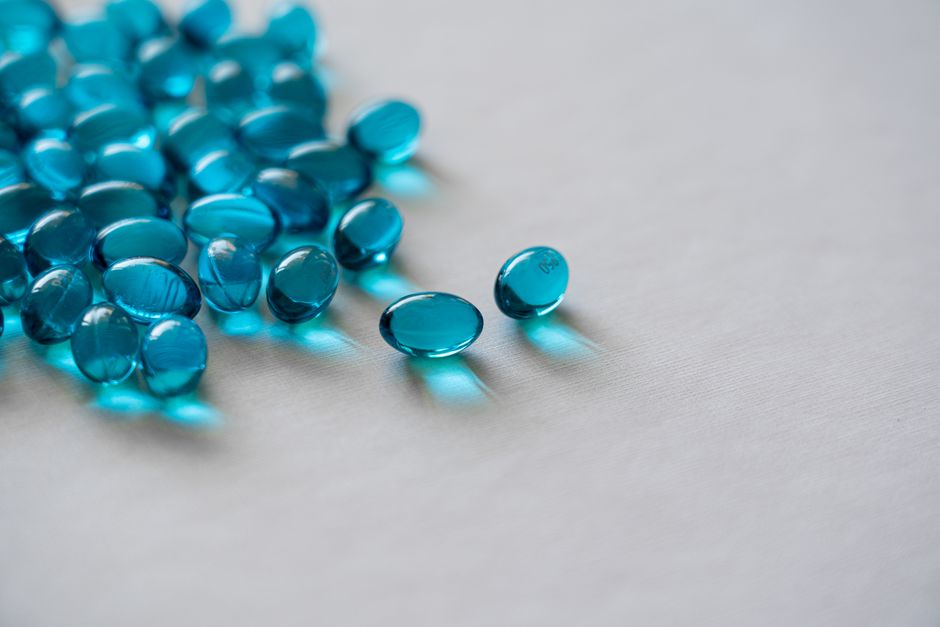
Methylene blue is a synthetic dye with real medical uses. It is given in hospitals for a handful of serious conditions, and it has a narrow window between helpful and harmful. Whether it lowers blood pressure depends entirely on the dose, the route, and who is receiving it.
At the doses used to treat methemoglobinemia, methylene blue can raise blood pressure. At much higher doses, or when given by rapid intravenous injection, it can cause a dangerous drop. It is not a blood pressure medication, and no evidence supports using it to manage high blood pressure.
What Is Methylene Blue and How Does It Work?
Methylene blue is a thiazine dye first synthesized in the late 1800s. It was one of the earliest synthetic compounds used in medicine and remains on the World Health Organization’s List of Essential Medicines for one specific purpose: treating methemoglobinemia.
Methemoglobinemia is a blood disorder where hemoglobin — the protein that carries oxygen — gets oxidized into a form that cannot carry oxygen. This can happen from certain drugs, chemicals, or inherited conditions. Methylene blue works by helping an enzyme system in red blood cells convert methemoglobin back to normal hemoglobin.
The drug also has effects beyond that. It interacts with several enzyme pathways, including one called guanylate cyclase, and it affects nitric oxide signaling in blood vessels. That interaction is part of why it can influence blood pressure, though the relationship is not simple.
Methylene blue is also sold as a supplement and used recreationally at very low doses. These products are not the same as the pharmaceutical-grade injectable form. The FDA has warned that some online products labeled as methylene blue are actually different chemicals, including industrial-grade versions not meant for human use.
Does Methylene Blue Lower Blood Pressure?
Methylene blue can lower blood pressure, but usually only at high doses or when given rapidly through an IV. At the standard clinical dose used for methemoglobinemia, it more often raises blood pressure slightly.
This seems backwards, so it helps to understand the mechanism. Methylene blue inhibits nitric oxide signaling. Nitric oxide is a molecule that relaxes blood vessels and lowers blood pressure. When methylene blue blocks that pathway, vessels can tighten, which tends to push blood pressure up.
But methylene blue also has direct effects on the heart and on other enzyme systems. At higher concentrations, it can depress heart muscle function and cause blood vessels to dilate. Rapid IV injection has been associated with chest pain, shortness of breath, and a drop in blood pressure.
The net effect depends on:
- Dose — higher doses are more likely to cause a drop
- Speed of administration — rapid injection is riskier than slow infusion
- Route — oral, IV, and topical forms behave differently
- Patient factors — underlying heart disease, blood pressure, and medications matter
This is why methylene blue is not used as a blood pressure treatment. The effects are unpredictable, and the drug is far too risky for that purpose.
Why Blood Pressure Effects Are So Variable
Two people given the same dose of methylene blue can have opposite blood pressure responses. This is not unusual for a drug with so many targets in the body.
Methylene blue affects the autonomic nervous system, the network of nerves that controls heart rate and vessel tone. It also interacts with serotonin pathways, which can affect blood pressure indirectly. In some cases, it has been used in intensive care to support blood pressure when shock does not respond to standard treatments — a use that is not well supported by large trials.
That last point matters. Some clinicians have used methylene blue in vasoplegic shock, a condition where blood vessels stay dangerously dilated after surgery or severe infection. Small studies and case reports have shown it may raise blood pressure temporarily in that setting. But the evidence is limited, and it is not a standard first-line treatment.
In other words, the same drug that can raise blood pressure in one patient may lower it in another. The context drives the outcome.

What Are the Risks of Methylene Blue?
Methylene blue is not a benign substance. Its side effects range from inconvenient to life-threatening, and they are dose-dependent.
Common effects include:
- Blue or green discoloration of urine and sometimes skin
- Nausea and stomach upset
- Headache
- Dizziness
More serious risks include:
- Serotonin syndrome — a potentially fatal reaction when methylene blue is combined with certain antidepressants, especially SSRIs, SNRIs, and MAOIs
- Hemolysis — destruction of red blood cells, particularly in people with G6PD deficiency
- Worsening methemoglobinemia at high doses, which is the opposite of the intended effect
- Severe allergic reactions, including anaphylaxis
- Blood pressure instability, as discussed above
The serotonin syndrome risk is significant enough that the FDA has required a warning on the label. Methylene blue is a potent MAO inhibitor, meaning it blocks an enzyme that breaks down serotonin. When combined with drugs that raise serotonin, levels can climb dangerously.
Anyone taking an antidepressant should not use methylene blue in any form — including supplements — without talking to a doctor first. This is not a theoretical concern. Serious cases have been reported.
Is Methylene Blue Used for Any Blood Pressure Condition?
No. Methylene blue is not approved or recommended for treating high blood pressure, low blood pressure, or any other blood pressure disorder.
Its approved use is narrow: treating acquired methemoglobinemia, and in some cases, preventing or treating methemoglobinemia caused by certain drugs like dapsone or local anesthetics. It is also used as a dye in some diagnostic procedures.
Outside those uses, methylene blue has been studied for a range of conditions — sepsis, ifosfamide-related neurotoxicity, and even some psychiatric and neurodegenerative conditions. Most of these uses are experimental or supported only by small, preliminary studies. None of them involve blood pressure as the primary target.
If someone is promoting methylene blue as a way to manage blood pressure, that claim is not supported by clinical evidence. It is marketing, not medicine.
Should You Take Methylene Blue for Blood Pressure?
No. There is no clinical evidence that methylene blue safely or effectively lowers blood pressure in people with hypertension. Using it for that purpose would be both unproven and potentially dangerous.
The supplement forms sold online are not standardized, not FDA-approved for any medical use, and have been found in some cases to contain different chemicals entirely. Even pharmaceutical-grade methylene blue carries serious risks that require medical supervision.
If you have high blood pressure, the evidence-based approaches are well established. These include dietary changes, regular physical activity, weight management, limiting alcohol, and — when appropriate — medications prescribed by a doctor. Those approaches have decades of research behind them. Methylene blue does not.
There is one more thing worth knowing. Because methylene blue affects serotonin and blood pressure pathways, it can interact with many common medications, including some blood pressure drugs. Anyone considering it for any reason should discuss it with a clinician who knows their full medication list.
Frequently Asked Questions
Does methylene blue raise or lower blood pressure?
It can do either, depending on the dose and how it is given. At standard clinical doses it tends to raise blood pressure slightly, but rapid IV injection or high doses can cause a dangerous drop.
Can I take methylene blue supplements to lower my blood pressure?
No. There is no clinical evidence that methylene blue supplements lower blood pressure, and they carry real risks including drug interactions and contamination.
Why does methylene blue affect blood pressure at all?
It blocks nitric oxide signaling, which normally relaxes blood vessels, and it also affects the autonomic nervous system and heart function. These combined effects make its blood pressure impact unpredictable.
Is methylene blue safe to take with blood pressure medication?
No. Methylene blue can interact with many medications, including some blood pressure drugs and antidepressants, and can cause serious reactions. Anyone on medication should talk to a doctor before using it.
