
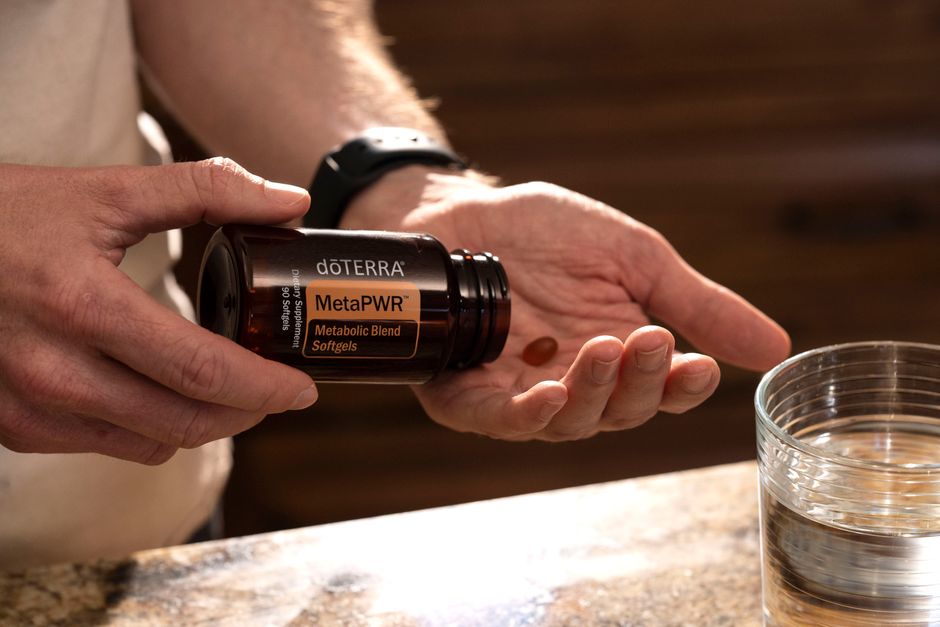
Nitroglycerin lowers blood pressure. That is its main job in an emergency. When someone with chest pain puts a nitroglycerin tablet under their tongue, the drug relaxes blood vessels throughout the body, and blood pressure drops as a result. This is not a side effect that sometimes happens. It is the core mechanism that allows the drug to relieve cardiac chest pain and reduce the heart’s workload.
The confusion comes from the word “nitro.” People hear it in gyms, in supplement stores, and in pre-workout ads. Those products are not the same as prescription nitroglycerin. They do not work the same way, and they are not used for the same reasons. Understanding the difference matters, especially if you take blood pressure medication or have heart disease.
How Does Nitroglycerin Lower Blood Pressure?
Nitroglycerin belongs to a class of drugs called nitrates. Once in the body, it converts into nitric oxide, a molecule your blood vessels already use to signal relaxation. Nitric oxide tells the smooth muscle inside artery and vein walls to loosen. When those muscles relax, the vessels widen, and pressure inside them falls.
The effect is strongest in veins. Veins hold most of your blood volume, and when they widen, blood pools there instead of returning to the heart. Less blood returning means the heart has less to pump with each beat. That reduces the workload on the heart and lowers the pressure in the arteries leaving it.
Arteries widen too, but usually less dramatically than veins at standard doses. The combined effect is a drop in blood pressure, often within minutes of taking the drug. This is why nitroglycerin works so quickly under the tongue. It bypasses the digestive system and enters the bloodstream directly through the lining of the mouth.
Does Nitro Increase Or Lower Blood Pressure in an Emergency?
In an emergency, nitroglycerin lowers blood pressure. Emergency doctors and paramedics use it for specific situations, most often chest pain caused by reduced blood flow to the heart muscle. The drop in blood pressure and the widening of coronary arteries both help restore the balance between oxygen supply and demand in the heart.
But the drop can be significant. Blood pressure may fall enough to cause dizziness, lightheadedness, or fainting. This is why medical teams check blood pressure before giving the drug and monitor it afterward. It is also why nitroglycerin is not given when blood pressure is already low.
Some clinicians use nitroglycerin in acute heart failure to reduce the pressure the heart must pump against. This is common practice, though the evidence for its effect on long-term outcomes is not as strong as its effect on short-term symptoms. It is a tool for immediate relief, not a cure for the underlying condition.
Why Does Nitroglycerin Cause Headaches and Dizziness?
The same blood vessel widening that lowers blood pressure also causes the most common side effects. Headaches happen because blood vessels in the head widen too. Dizziness happens because blood pressure drops, especially when you stand up quickly.
These effects are not signs that something is wrong. They are expected. For many people, the headache fades with continued use as the body adjusts. Dizziness may persist, particularly in the first minutes after taking a dose.
If you take nitroglycerin and feel faint, sit or lie down immediately. Do not stand up quickly. If you have been prescribed the drug, your doctor should have explained what to expect. If you have not been prescribed it, do not take it. It is not a casual remedy for high blood pressure.





Is Prescription Nitroglycerin the Same as “Nitro” Supplements?
No. Prescription nitroglycerin is a regulated medication with a specific dose and a specific purpose. “Nitro” supplements sold in stores are a different category entirely. They often contain ingredients marketed for blood flow or athletic performance, and they are not approved to treat any medical condition.
Some of these products contain nitrates from food sources, like beetroot powder. The body can convert dietary nitrates into nitric oxide, which is the same molecule nitroglycerin produces. But the amount and the speed are not comparable. A supplement is not a substitute for a prescription drug, and it should not be used to treat chest pain or a blood pressure emergency.
There is also a safety concern. If you take prescription nitrates for heart disease and also take a supplement that affects nitric oxide, you could amplify the blood pressure drop. This is not well studied for most supplements, but the mechanism is plausible enough that doctors often advise caution. Tell your doctor about every supplement you take, especially if you have heart disease.
Can Nitroglycerin Ever Raise Blood Pressure?
Nitroglycerin does not raise blood pressure. There is no established mechanism by which it would. The drug relaxes blood vessels. Relaxed vessels mean lower pressure, not higher.
What can happen is a rebound effect when the drug wears off. If you take nitroglycerin regularly, your body may adapt to it, and when the effect fades, blood pressure can return to its previous level. This is not an increase above baseline. It is a return to where you started.
There is a separate concern with long-term nitrate use. The body can develop tolerance, meaning the same dose produces less effect over time. This is why doctors often prescribe a nitrate-free period each day for people who take long-acting nitrates. The goal is to preserve the drug’s ability to lower blood pressure when it is needed.
What Should You Know Before Taking Nitroglycerin?
Nitroglycerin is a powerful drug with a narrow margin between helpful and harmful. The biggest risk is a severe drop in blood pressure, especially if you take it with certain other medications.
The most dangerous combination is with erectile dysfunction drugs like sildenafil, tadalafil, and vardenafil. These drugs also widen blood vessels. Taking them with nitroglycerin can cause a life-threatening drop in blood pressure. This is not a rare interaction. It is a well-documented contraindication, and the warning applies to anyone using both.
Other medications that can amplify the blood pressure drop include some blood pressure drugs, certain antidepressants, and alcohol. If you are prescribed nitroglycerin, your doctor should review your full medication list. Do not assume they already know about everything you take.
If you have chest pain that is new, worsening, or not relieved by rest, call emergency services. Nitroglycerin can help with some types of chest pain, but it does not treat all of them. A heart attack, a blood clot in the lung, and a tear in the aorta can all cause chest pain that nitroglycerin will not fix. Getting the right diagnosis quickly matters more than trying a pill at home.
Does Nitroglycerin Lower Blood Pressure in Everyone?
The blood pressure drop from nitroglycerin is consistent, but the size of the drop varies. Factors like your baseline blood pressure, your age, your hydration level, and whether you are standing or lying down all affect how much it falls.
People who are dehydrated or who have been lying down for a long time may see a larger drop when they stand. Older adults often have a more pronounced response. This is not a reason to avoid the drug when it is needed, but it is a reason to take it sitting down and to move slowly afterward.
If you have been prescribed nitroglycerin and you are not sure how your body will respond, ask your doctor what to expect. Some clinicians recommend taking the first dose in a supervised setting. This is not a universal practice, but it is a reasonable precaution for people with unstable blood pressure or multiple heart conditions.
What About Nitro in Pre-Workout and Gym Culture?
In gyms, “nitro” usually refers to a supplement or a training method, not the prescription drug. Some pre-workout products contain ingredients that claim to boost nitric oxide. The marketing suggests these products increase blood flow, which could theoretically lower blood pressure. But the evidence for most of these ingredients is limited.
Some small studies suggest certain compounds, like beetroot juice or L-citrulline, may increase nitric oxide levels and slightly lower blood pressure in some people. The effect is usually modest and not consistent across studies. No supplement has been shown to lower blood pressure as reliably or as quickly as prescription nitroglycerin.
If you have high blood pressure and you are considering a supplement, talk to your doctor first. Some ingredients can interact with blood pressure medication. Others may be harmless but ineffective. The supplement aisle is not regulated the same way as prescription drugs, so claims on the label are not proof of benefit.
When Should You Seek Emergency Care?
Chest pain is the main reason nitroglycerin is prescribed. If you have been given nitroglycerin for chest pain and it does not relieve your symptoms after the number of doses your doctor recommended, seek emergency care. Do not keep taking more doses hoping it will work.
Signs that you need emergency help include chest pain that lasts more than a few minutes, pain that spreads to your arm, jaw, or back, shortness of breath, sweating, nausea, or fainting. These can signal a heart attack or another serious condition. Nitroglycerin can lower blood pressure, but it cannot fix a blocked artery or a blood clot.
If you take nitroglycerin and feel extremely dizzy, faint, or confused, tell someone and sit or lie down. A severe blood pressure drop can be dangerous. Emergency medical teams can give fluids or other medications to bring your pressure back up if needed.
Frequently Asked Questions
Does nitroglycerin raise blood pressure?
No. Nitroglycerin lowers blood pressure by relaxing blood vessels. It does not have a mechanism to raise it.
How fast does nitroglycerin lower blood pressure?
When taken under the tongue, nitroglycerin typically begins lowering blood pressure within a few minutes. The effect usually peaks within five to ten minutes.
Can I take nitroglycerin if my blood pressure is already low?
No. Nitroglycerin is not given when blood pressure is already low because it can cause a dangerous drop. Medical teams check blood pressure before giving the drug.
Is “nitro” in pre-workout the same as nitroglycerin?
No. Pre-workout “nitro” products are supplements, not prescription nitroglycerin. They are not approved to treat any medical condition and do not work the same way.
