
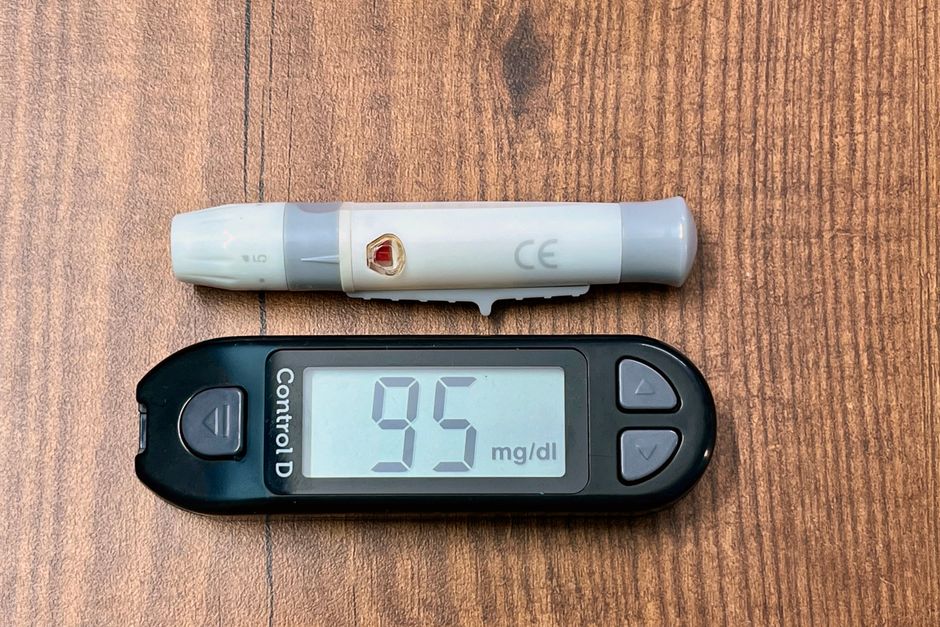
Hemoglobin, often written as Hgb, is the iron-rich protein inside red blood cells that carries oxygen from your lungs to the rest of your body. It also carries carbon dioxide back to your lungs so you can exhale it. A normal Hgb level means your body is getting the oxygen it needs to function. For most adults, a normal hemoglobin level is 13.5 to 17.5 grams per deciliter (g/dL) for men and 12.0 to 15.5 g/dL for women. These ranges come from standard laboratory reference values and are used by doctors worldwide to screen for conditions like anemia.
What Is A Normal Hgb Level? Simplified
The short answer is that normal hemoglobin varies by age, sex, and even pregnancy status. For adult men, the typical range is 13.5 to 17.5 g/dL. For adult women, it is 12.0 to 15.5 g/dL. These numbers reflect the amount of hemoglobin in a deciliter of whole blood.
Doctors use these ranges as a baseline. If your level falls below the range, you may have anemia. If it rises above, it could signal other health issues. The key point is that “normal” is not a single number — it is a range based on population studies of healthy people.
Children have different normal ranges because their bodies are still developing. Newborns have much higher hemoglobin levels, often between 14 and 24 g/dL, which gradually drop as they grow. By adolescence, levels settle into adult ranges.
Why Hemoglobin Levels Matter for Your Health
Hemoglobin is not just a number on a lab report. It directly affects how much energy you have, how well your organs work, and how your body recovers from illness or injury. When hemoglobin is low, your tissues receive less oxygen. You may feel tired, dizzy, short of breath, or notice pale skin.
When hemoglobin is high, your blood becomes thicker. This makes it harder for your heart to pump blood through your vessels. Over time, high hemoglobin can increase the risk of blood clots, stroke, or heart attack. Both ends of the spectrum deserve medical attention.
Doctors routinely check hemoglobin as part of a complete blood count (CBC). This test is one of the most common blood tests ordered. It gives a snapshot of your red blood cells, white blood cells, and platelets. Hemoglobin is just one piece of that picture, but it is a critical one.
What Causes Low Hemoglobin Levels?
Low hemoglobin is called anemia. It is the most common blood disorder in the world. The causes fall into three main categories: your body does not make enough red blood cells, your body destroys red blood cells too quickly, or you lose blood.
Iron deficiency is the most common cause of anemia. Your body needs iron to make hemoglobin. Without enough iron, your red blood cells become small and pale. Other nutrient deficiencies can also cause anemia, including vitamin B12 and folate. These vitamins are needed for proper red blood cell production.
Chronic diseases can also lower hemoglobin. Kidney disease is a major cause because the kidneys produce erythropoietin, a hormone that signals the bone marrow to make red blood cells. Inflammatory conditions, cancer, and autoimmune disorders can interfere with this process as well.
Blood loss is another common cause. Heavy menstrual periods, gastrointestinal bleeding, or surgery can all deplete your body’s iron stores and lower hemoglobin. Sometimes the bleeding is slow and invisible, like a stomach ulcer, which is why routine blood tests are valuable.





What Causes High Hemoglobin Levels?
High hemoglobin is less common than low hemoglobin but still important. The medical term is erythrocytosis. It means your bone marrow is producing too many red blood cells, or your body is compensating for low oxygen levels.
Living at high altitude is a natural cause of elevated hemoglobin. At higher elevations, the air has less oxygen. Your body responds by making more red blood cells to carry what oxygen is available. This is a normal adaptation, not a disease.
Smoking is another common cause. Carbon monoxide from cigarette smoke binds to hemoglobin more strongly than oxygen does. To compensate, your body produces more red blood cells. This is why smokers often have hemoglobin levels at the top of the normal range or above it.
Certain medical conditions can also raise hemoglobin. Polycythemia vera is a bone marrow disease where the body makes too many red blood cells. Sleep apnea, heart disease, and lung conditions that reduce blood oxygen can also trigger high hemoglobin levels.
How Hemoglobin Levels Are Tested
Hemoglobin is measured with a simple blood test. A healthcare professional draws blood from a vein in your arm, usually for a complete blood count. The sample is sent to a laboratory where a machine measures the hemoglobin concentration.
No special preparation is needed for a hemoglobin test. You do not need to fast. You can eat and drink normally before the test. The test itself takes only a few minutes, and the blood draw is routine.
Results are typically available within a few hours to a day. Your doctor will interpret the number in the context of your symptoms, medical history, and other lab values. A single abnormal reading is not always a diagnosis — it is a starting point for further evaluation.
At-home hemoglobin tests exist, but they are not a substitute for laboratory testing. They can give you a rough estimate, but they are less accurate than clinical lab equipment. If you are concerned about your hemoglobin, a standard lab test is the reliable option.
How to Maintain Healthy Hemoglobin Levels
Diet plays a direct role in hemoglobin production. Iron-rich foods include red meat, poultry, fish, beans, lentils, and fortified cereals. Plant-based iron is less easily absorbed than animal iron, but you can improve absorption by eating vitamin C-rich foods alongside iron sources.
Vitamin B12 and folate are also essential. These are found in meat, dairy, eggs, leafy greens, and fortified grains. A balanced diet usually provides enough of these nutrients, but some people — especially older adults, vegans, and those with digestive disorders — may need supplements.
Staying hydrated and exercising regularly support overall blood health. Exercise stimulates your body to produce more red blood cells. Good hydration keeps your blood volume stable, which helps maintain healthy hemoglobin concentration.
If you have a diagnosed deficiency, follow your doctor’s advice about supplements. Do not self-treat with high-dose iron or B12 without knowing your levels. Too much iron can be harmful, causing organ damage over time. Supplements should be taken only when a deficiency is confirmed.
When to See a Doctor About Hemoglobin Levels
You should see a doctor if you experience persistent fatigue, shortness of breath, dizziness, or pale skin. These symptoms can indicate anemia. They are common symptoms, but they deserve evaluation when they last more than a few days or interfere with daily life.
Also seek medical advice if you notice easy bruising, bleeding that does not stop, or blood in your stool or urine. These can be signs of blood loss or a bleeding disorder. Sudden symptoms like chest pain, severe headache, or fainting require urgent medical attention.
Routine screening is also important. Many people have mild anemia without noticeable symptoms. A yearly physical exam often includes a complete blood count, which will catch most hemoglobin abnormalities early. Early detection makes treatment simpler and more effective.
If your doctor identifies an abnormal hemoglobin level, they will likely order follow-up tests. These may include iron studies, vitamin B12 levels, or a blood smear to examine red blood cells under a microscope. The goal is to find the underlying cause, not just treat the number.
Frequently Asked Questions
What is a dangerously low hemoglobin level?
A hemoglobin level below 7 g/dL is considered critical and usually requires immediate medical treatment, often including blood transfusion. Levels below 10 g/dL typically cause noticeable symptoms like fatigue and shortness of breath.
Can dehydration affect hemoglobin levels?
Yes, dehydration can falsely raise hemoglobin levels because it reduces plasma volume, concentrating the blood. Rehydrating typically brings the level back to your true baseline.
Does age affect normal hemoglobin ranges?
Yes, normal ranges change with age. Newborns have high levels around 14 to 24 g/dL, which decline through childhood and stabilize at adult ranges by late adolescence.
How long does it take to raise low hemoglobin with iron supplements?
With consistent iron supplementation, hemoglobin levels typically begin to rise within 2 to 4 weeks. Full correction of anemia usually takes 2 to 3 months, depending on the underlying cause.
