
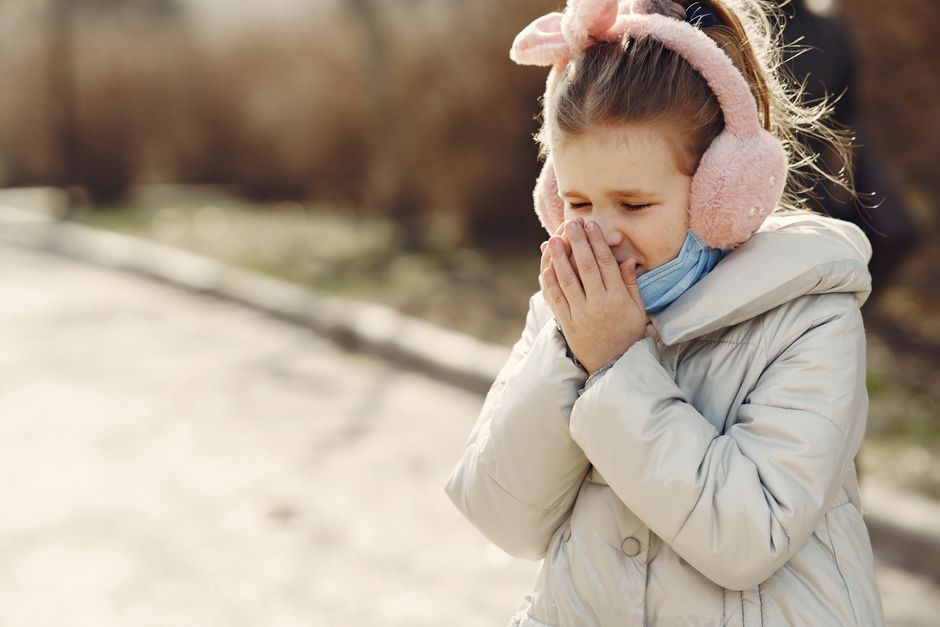
Newborns sneeze a lot, and it is completely normal. In fact, frequent sneezing in the first few months is a sign that the baby’s nervous system is developing as it should. It is rarely a sign of illness. Most newborn sneezing is a simple reflex designed to clear the nasal passages of dust, milk particles, or other tiny irritants.
Why Do Newborns Sneeze So Much?
Babies are born with tiny nasal passages. Their noses are smaller than a pinky finger. A little bit of mucus, a speck of dust, or even a drop of breast milk can trigger the sneeze reflex. Sneezing is the body’s way of clearing the airway so the baby can breathe easily.
Newborns also do not know how to breathe through their mouths yet. For the first few months, babies are “obligate nose breathers.” This means they rely almost entirely on their noses for air. Sneezing helps keep that only airway open and clear.
Another reason is that a newborn’s nervous system is still maturing. The nerves that control the sneeze reflex are very sensitive. Bright lights, a sudden temperature change, or even a tickle from a blanket can trigger a sneeze. This is not a sign of a cold or an allergy. It is simply an overactive reflex that will calm down as the baby grows.
When Is Sneezing a Sign of a Cold or Illness?
Sneezing alone is rarely a reason to worry. You should look for other symptoms before assuming your baby is sick. A true cold in a newborn often comes with a runny nose, a cough, or a low fever.
Watch for these signs that suggest something more than normal reflex sneezing:
- Fever of 100.4°F (38°C) or higher in a baby under 3 months old
- Difficulty breathing or fast breathing
- Flaring nostrils or grunting with each breath
- Poor feeding or refusal to eat
- Unusual sleepiness or lethargy
- Coughing that sounds wet or persistent
If your baby has any of these symptoms, contact your pediatrician. A fever in a newborn under 3 months is always a reason to call the doctor right away. This is a standard medical recommendation that should not be delayed.
Is It Allergies or Just a Reflex?
True allergies are rare in newborns. Allergies develop over time after repeated exposure to an allergen. A baby under 6 months is unlikely to have seasonal allergies or reactions to dust mites.
If your baby sneezes frequently but has no other symptoms, it is almost certainly a normal reflex. If your baby sneezes and has watery eyes, a persistent cough, or skin rashes, then allergies might be a possibility. But this is uncommon in the newborn period.
Some parents worry that sneezing means the baby is cold. That is a common myth. Sneezing does not mean the baby is chilled. It means the nasal passages are being cleared. If you are worried about temperature, check the baby’s chest or back. That is a more reliable way to tell if they are warm enough.



How to Help a Congested Newborn Breathe Easier
Even normal newborn congestion can make feeding difficult. Babies breathe through their noses while nursing. If the nose is stuffy, they may pull off the breast or bottle to gasp for air.
Here are safe ways to help clear a newborn’s nose:
- Saline drops: One or two drops of sterile saline in each nostril can loosen dried mucus. This is safe and widely recommended by pediatricians.
- Bulb syringe: After using saline, gently suction the nose with a bulb syringe. Squeeze the bulb, insert the tip gently, and release. Do this no more than a few times a day to avoid irritating the nasal lining.
- Cool-mist humidifier: Running a cool-mist humidifier in the baby’s room can keep the air from drying out. Dry air makes mucus thicker and harder to clear.
- Warm bath: Steam from a warm bath can help loosen congestion. Sit in the bathroom with the door closed and let the room get steamy for a few minutes.
Do not use over-the-counter cold medicines or decongestants in a newborn. These are not safe for infants and are not recommended by any major medical body. Do not use nasal sprays that are not specifically approved for infants. Always ask your pediatrician before giving any medication to a baby under 6 months.
When Should You Call the Doctor About Newborn Sneezing?
You do not need to call the doctor for sneezing alone. But you should call if the sneezing is accompanied by other symptoms. Trust your instincts. If something feels off, a phone call to your pediatrician is always appropriate.
Call your doctor if your newborn has:
- Trouble breathing or rapid breathing
- A fever of 100.4°F or higher
- Blue or gray color around the lips or face
- Refusing to feed for more than a few hours
- Fewer wet diapers than usual (fewer than 6 per day after the first week)
- A cough that lasts more than a few days
These symptoms are not caused by normal sneezing. They point to a respiratory infection or another issue that needs medical evaluation. Newborns have immature immune systems, so infections can progress quickly. Early medical attention matters.
Is It Normal For Newborns To Sneeze in Their Sleep?
Yes. Sneezing during sleep is completely normal. The sneeze reflex works even when the baby is asleep. A newborn may sneeze several times in a row and then go right back to sleep without waking.
Some babies sneeze more during sleep because they are lying flat. Mucus can pool in the nasal passages when the baby is on their back. The sneeze reflex clears that mucus and helps keep the airway open. This is a protective mechanism, not a problem.
If your baby sneezes in their sleep but breathes normally and feeds well when awake, there is no reason for concern. The sneezing will gradually decrease as the nasal passages grow larger over the first few months.
How Long Does Newborn Sneezing Last?
Frequent sneezing usually peaks in the first few weeks of life. As the baby grows, the nasal passages get bigger and the nervous system matures. Most babies sneeze much less by the time they are 3 to 4 months old.
This timeline is not a medical rule. Some babies sneeze frequently for longer. Others barely sneeze at all. Both patterns are normal. The key is to watch for other symptoms, not to count sneezes.
If your baby continues to sneeze frequently after 6 months and has other symptoms like watery eyes or a chronic cough, talk to your doctor. At that age, allergies become a more realistic possibility. But for a newborn, frequent sneezing is almost always a normal developmental phase.
Frequently Asked Questions
Can a newborn sneeze too much?
No, there is no “too much” when it comes to newborn sneezing. As long as the baby has no fever, cough, or trouble breathing, frequent sneezing is a normal reflex.
Does newborn sneezing mean the baby is sick?
No. Sneezing alone is not a sign of illness. It is a reflex that clears the nasal passages. Look for other symptoms like fever or cough before assuming the baby is sick.
Should I give my newborn cold medicine for sneezing?
No. Over-the-counter cold medicines are not safe for newborns and are not recommended for infants. Never give any medication to a baby under 6 months without a doctor’s approval.
Why does my newborn sneeze after feeding?
Milk particles can travel up the back of the nose during feeding. Sneezing clears those particles and protects the airway. This is a normal and healthy response.
