
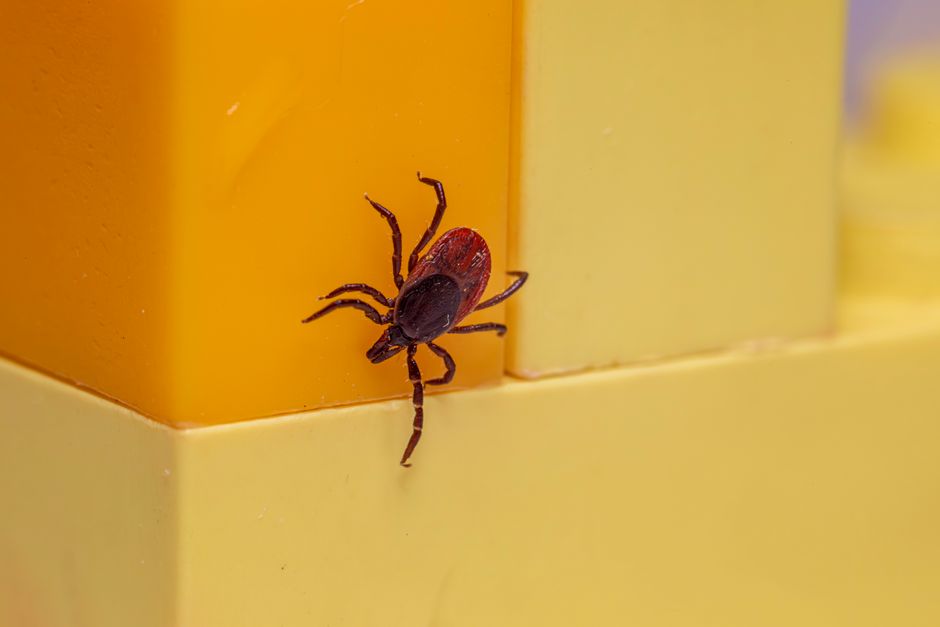
A tick bite often does not itch at first. This is what makes ticks dangerous. Many other insect bites itch right away. Tick bites usually do not. The tick’s saliva contains compounds that numb the skin and prevent the blood from clotting. This lets the tick feed without being noticed. The bite may only become itchy days later, or not at all. Some people never feel a tick bite. This is why checking your skin after being outdoors matters more than waiting for an itch.
Why Do Tick Bites Not Itch Right Away?
Ticks have evolved to go unnoticed. Their saliva is a complex mix of proteins. Some of these proteins block pain signals in the skin. Others stop the immune system from reacting at the bite site. The result is a bite that produces no immediate itching, burning, or pain.
This is different from mosquito bites. Mosquito saliva triggers an immune response in most people. That response causes the histamine release that makes you itch. Tick saliva works to suppress that response. It keeps the area quiet so the tick can feed for days without being disturbed.
The lack of itching is not a sign that the bite is harmless. It is a survival feature of the tick. The longer a tick stays attached, the higher the risk of disease transmission. Most tickborne illnesses require the tick to be attached for a period of time before pathogens pass to you.
Can a Tick Bite Itch Later?
Yes. Itching can develop after the tick is gone. This usually happens as the body begins to heal. Once the tick detaches or is removed, the immune system can finally respond. Redness, swelling, and itching may appear a few days later.
This delayed itch can be confusing. You may not connect it to a tick bite you got days earlier. You might assume it is a spider bite or an ingrown hair. The location matters. Ticks often attach in hidden areas like the scalp, groin, armpits, and behind the knees. An itch in these areas after time outdoors deserves a closer look.
Some people also develop a localized reaction. This can look like a small red bump that itches for a week or two. This is usually a harmless reaction to the bite itself, not a sign of infection. But it can be hard to tell the difference without medical guidance.
What Does a Tick Bite Look Like?
A fresh tick bite can look like nothing at all. Many people never see the bite itself. They only find the tick. The bite mark may be a small red dot. It can look like a freckle or a minor scratch.
After the tick is removed, the area may become red and slightly raised. This is a normal healing response. The redness is usually small, less than the size of a quarter, and fades within days.
A red rash that expands over time is a different matter. This can be a sign of Lyme disease. The classic “bullseye” rash — a red ring with a clear center — is well known. But not everyone with Lyme gets this rash. Some get a solid red expanding rash. Some get no rash at all. If you see any expanding rash after a tick bite, seek medical care.




How Long Does a Tick Need to Be Attached?
Disease transmission takes time. Ticks do not transmit pathogens instantly. The bacteria that cause Lyme disease live in the tick’s gut. They need time to move to the tick’s salivary glands. This process takes about 24 to 48 hours. Some estimates suggest longer.
Other tickborne diseases can transmit faster. Powassan virus can be passed within minutes of attachment. This is rare, but it is why prompt tick removal matters. The sooner a tick is removed, the lower the risk of disease.
Check your body thoroughly after being in tick habitat. Ticks in the nymph stage are tiny — about the size of a poppy seed. They are easy to miss. A full body check using a mirror is the most reliable way to find them.
How to Remove a Tick Safely
Use fine-tipped tweezers. Grab the tick as close to the skin as possible. Pull upward with steady, even pressure. Do not twist or jerk the tick. This can cause the mouthparts to break off and stay in the skin.
Do not use petroleum jelly, nail polish, heat, or alcohol to try to make the tick detach. These methods do not work. They can stress the tick and cause it to regurgitate into the wound. This may increase the risk of disease transmission.
After removal, clean the area with soap and water. Then apply an antiseptic. Save the tick in a sealed bag or a container with rubbing alcohol. Your doctor may want to identify it later if you develop symptoms.
When Should You See a Doctor After a Tick Bite?
See a doctor if you develop a fever, headache, muscle aches, or a rash in the weeks after a tick bite. These can be signs of a tickborne illness. Early treatment matters for most of these diseases.
Do not wait for symptoms to become severe. Many tickborne diseases start with flu-like symptoms that are easy to dismiss. A fever after a known tick bite is enough reason to seek medical care.
You should also see a doctor if the bite site becomes increasingly red, swollen, warm, or painful. This can indicate a bacterial skin infection. This is different from a tickborne disease but still requires treatment.
There is no routine test to tell you whether a tick gave you a disease right after the bite. Blood tests for Lyme disease are not reliable in the first few weeks. Doctors usually base early treatment decisions on symptoms and exposure history, not on test results.
How to Prevent Tick Bites
Prevention is more reliable than detection. Use an EPA-registered insect repellent containing DEET, picaridin, or oil of lemon eucalyptus when in tick habitat. Treat clothing and gear with permethrin, which kills ticks on contact.
Wear long sleeves and long pants in wooded or grassy areas. Tuck your pants into your socks. Wear light-colored clothing so ticks are easier to see. After coming indoors, put your clothes in a dryer on high heat for 10 to 15 minutes to kill any ticks.
Shower within two hours of coming indoors. This can wash off unattached ticks and gives you a chance to do a tick check. Pay special attention to the scalp, behind the ears, under the arms, and around the waist.
Common Myths About Tick Bites and Itching
Myth: If it doesn’t itch, it’s not a tick bite. False. Most tick bites do not itch initially. The absence of itching means nothing.
Myth: You can feel a tick on you. False. Tick saliva contains anesthetic compounds. You cannot feel an attached tick.
Myth: Ticks fall from trees. False. Ticks live in grass and low vegetation. They wait on the tips of blades and latch onto passing hosts. They climb up, they do not drop down.
Myth: The bullseye rash always appears. False. The expanding red rash appears in some but not all cases of Lyme disease. Many people never see a rash.
Frequently Asked Questions
Do tick bites itch immediately?
No, most tick bites do not itch right away. Tick saliva contains compounds that numb the skin and suppress the immune response at the bite site.
How soon after a tick bite does itching start?
Itching may start days after the bite, often after the tick is removed. Some people never experience itching at all.
Can a tick bite itch and not be Lyme disease?
Yes. Itching at a bite site is usually a normal healing response. It does not mean you have Lyme disease or any other tickborne illness.
What should I do if a tick bite becomes itchy and red?
Clean the area and watch it closely. If the redness expands, or if you develop fever or flu-like symptoms, see a doctor promptly.
