
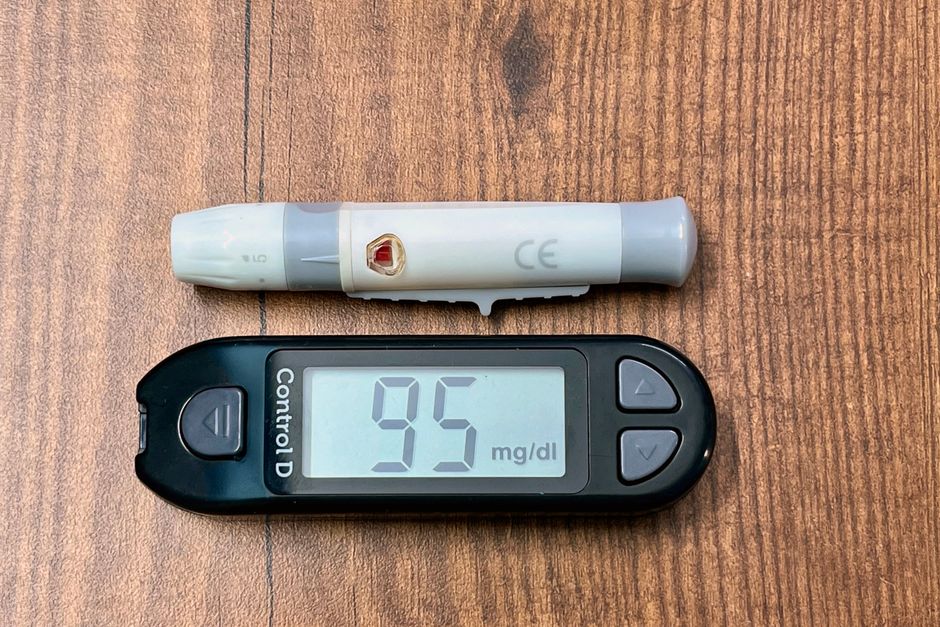
Normal blood glucose ranges are the blood sugar levels that healthy adults typically maintain throughout the day. For most people without diabetes, a fasting glucose level is between 70 and 99 mg/dL, and levels return to below 140 mg/dL two hours after eating. These numbers are the standard reference points doctors use to evaluate how well your body manages sugar, and they form the basis for diagnosing diabetes and prediabetes.
What Are Normal Glucose Ranges? Definition
Blood glucose is the amount of sugar circulating in your bloodstream. Your body uses this sugar for energy, but the amount must stay within a narrow window for your cells to function properly. The standard measurement in the United States is milligrams per deciliter, or mg/dL.
For a person without diabetes, the accepted normal ranges are:
- Fasting (no food for 8 hours): 70–99 mg/dL
- Two hours after a meal: less than 140 mg/dL
- Random test (any time of day): typically below 140 mg/dL
A fasting level of 100–125 mg/dL indicates prediabetes. A fasting level of 126 mg/dL or higher on two separate tests indicates diabetes. These thresholds come from the American Diabetes Association and are used worldwide by clinicians.
Why Does Blood Sugar Matter?
Glucose is the primary fuel for your brain, muscles, and organs. When levels stay in the normal range, your body runs efficiently. When they drift too high or too low, problems develop.
Chronically high blood sugar damages blood vessels over time. This damage affects the eyes, kidneys, nerves, and heart. Chronically low blood sugar deprives the brain of fuel, causing confusion, shakiness, and in severe cases, loss of consciousness.
The body regulates glucose through hormones. Insulin lowers blood sugar by helping cells absorb it. Glucagon raises blood sugar by signaling the liver to release stored glucose. In a healthy person, these two hormones work together to keep levels stable.
How the Body Keeps Glucose in Range
When you eat carbohydrates, your digestive system breaks them down into glucose. That glucose enters your bloodstream, and your pancreas releases insulin in response. Insulin acts like a key, opening cell doors so glucose can enter and be used for energy.
Between meals, your blood sugar naturally falls. The pancreas releases glucagon, which tells the liver to release stored glucose. This keeps your levels from dropping too low while you sleep or go hours without eating.
This system is remarkably precise in healthy people. Fasting glucose rarely fluctuates much from day to day. Post-meal spikes are temporary and resolve within two hours as insulin does its job.





Fasting Glucose vs. Post-Meal Glucose
Doctors measure glucose in different ways depending on what they are looking for. Fasting glucose gives a baseline reading of how your body manages sugar without food input. Post-meal glucose shows how well your body handles a sugar load.
Fasting levels are the most commonly used screening test. They are reliable, inexpensive, and require only a simple blood draw. Most adults should have this test as part of routine checkups, especially after age 45 or if they have risk factors like obesity or a family history of diabetes.
Post-meal testing is more common for people already diagnosed with diabetes. It helps show how specific foods affect blood sugar and whether medication doses are appropriate. For people without diabetes, post-meal testing is rarely necessary.
What Is Prediabetes?
Prediabetes is a warning zone. Blood sugar is higher than normal but not high enough to be diabetes. Fasting glucose of 100–125 mg/dL falls in this range. An A1C of 5.7–6.4% also indicates prediabetes.
Prediabetes matters because it is reversible. Unlike diabetes, which typically requires lifelong management, prediabetes can often be brought back to normal with lifestyle changes. Weight loss of 5–7% of body weight, regular exercise, and dietary adjustments have been shown to prevent or delay progression to diabetes.
Many people with prediabetes do not know they have it. It produces no symptoms. The only way to know is through blood testing.
What Is A1C and How Does It Differ?
A1C is a different measurement from a finger-stick glucose test. It reflects your average blood sugar over the past two to three months. It measures how much glucose has attached to hemoglobin in your red blood cells.
A normal A1C is below 5.7%. Prediabetes is 5.7–6.4%. Diabetes is 6.5% or higher.
A1C is useful because it smooths out daily fluctuations. A single fasting glucose test only shows what your blood sugar is at that moment. A1C shows the bigger picture. Doctors often use both tests together to confirm a diagnosis.
What Causes Blood Sugar to Rise Above Normal?
Insulin resistance is the most common cause of elevated blood sugar. Your cells stop responding to insulin properly, so the pancreas has to produce more and more insulin to get the same job done. Over time, the pancreas cannot keep up, and blood sugar rises.
Several factors contribute to insulin resistance:
- Excess body weight, especially around the abdomen
- Physical inactivity
- A diet high in refined carbohydrates and added sugars
- Chronic stress, which raises cortisol and can impair insulin function
- Poor sleep, which affects hormone regulation
- Certain medications, including some steroids and antipsychotics
Genetics also play a role. Some people are more predisposed to insulin resistance than others, regardless of lifestyle. This is why some people develop diabetes despite healthy habits, while others do not develop it despite significant risk factors.
What Causes Blood Sugar to Drop Below Normal?
Low blood sugar, called hypoglycemia, is defined as glucose below 70 mg/dL. For people without diabetes, this is relatively uncommon. When it happens, it is usually a reaction to a large meal high in refined carbohydrates, followed by a rapid insulin surge that overcorrects.
Symptoms of hypoglycemia include shakiness, sweating, confusion, irritability, and hunger. Severe cases can cause seizures or unconsciousness, though this is rare in people who do not take diabetes medication.
If you experience frequent low blood sugar episodes without diabetes, see a doctor. This can sometimes signal an underlying condition, such as a hormone deficiency or an insulin-producing tumor, though these are rare.
Blood Sugar and Continuous Glucose Monitors
Continuous glucose monitors, or CGMs, are small sensors worn on the skin that measure glucose in the fluid between cells. They are standard tools for people with diabetes, but they are increasingly marketed to people without diabetes as a wellness device.
CGMs provide a constant stream of data. They show how specific foods, exercise, and stress affect glucose in real time. For people with diabetes, this information is critical for managing insulin doses and preventing dangerous swings.
For people without diabetes, the value is less clear. Seeing a post-meal spike to 130 mg/dL might look alarming on a graph, but it is a normal physiological response. Some research suggests that tracking glucose can motivate healthier eating, but no strong evidence shows that CGM use improves long-term health outcomes in people without diabetes.
When Should You Get Tested?
The American Diabetes Association recommends screening for type 2 diabetes beginning at age 45. If results are normal, repeat testing every three years is typical. If results are abnormal, more frequent testing is warranted.
Earlier screening is recommended for people with risk factors. These include being overweight, having a parent or sibling with diabetes, being physically inactive, having high blood pressure, or having a history of gestational diabetes.
If you have symptoms of high blood sugar, get tested sooner. These symptoms include increased thirst, frequent urination, unexplained weight loss, fatigue, and blurred vision. These symptoms can develop gradually, so they are easy to dismiss.
How to Keep Blood Sugar in a Healthy Range
You do not need to be perfect to keep blood sugar in a normal range. Small, consistent habits matter more than occasional extremes.
Physical activity is one of the most effective tools. Muscle tissue uses glucose for fuel, so regular movement helps clear sugar from the bloodstream. Even a 15-minute walk after meals can blunt post-meal glucose spikes.
Diet matters, but not in the way many people think. It is not about eliminating carbohydrates entirely. It is about choosing carbohydrates that digest slowly and pairing them with protein, fiber, and fat. These combinations slow glucose absorption and prevent rapid spikes.
Sleep and stress management are underrated factors. Poor sleep reduces insulin sensitivity. Chronic stress raises cortisol, which signals the liver to release glucose. Addressing these areas can improve blood sugar even without dramatic dietary changes.
Frequently Asked Questions
What is a normal blood sugar level for adults?
A normal fasting blood sugar level for adults is 70–99 mg/dL. Two hours after eating, a normal level is below 140 mg/dL.
Is 100 mg/dL fasting blood sugar normal?
No, 100 mg/dL is in the prediabetes range. Prediabetes is defined as a fasting glucose of 100–125 mg/dL.
What is a dangerous blood sugar level?
A fasting glucose of 126 mg/dL or higher on two tests indicates diabetes. A glucose level below 70 mg/dL is considered hypoglycemia, and levels below 54 mg/dL require immediate medical attention.
How often should I check my blood sugar?
If you do not have diabetes, routine screening every three years starting at age 45 is standard. If you have risk factors for diabetes, your doctor may recommend more frequent testing.
