
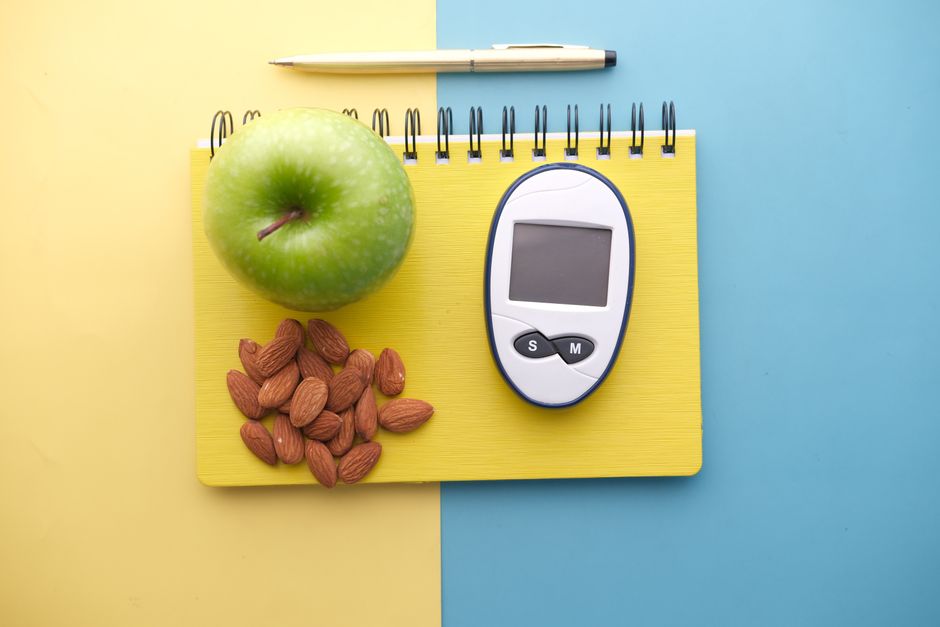
Waking up in the middle of the night with a racing heart, cold sweats, or a sudden feeling of intense hunger often points to low overnight blood sugar. For people managing diabetes or prediabetes, nighttime hypoglycemia is a genuine risk. Keeping blood sugar stable through the night requires a consistent evening routine, the right bedtime snack, and close attention to how your body responds to medication.
Why Does Blood Sugar Drop While You Sleep?
Your body continues to use glucose even when you are resting. Your brain alone consumes a significant amount of the sugar circulating in your bloodstream. During sleep, your liver releases stored glucose to keep levels steady. When this system fails, or when medications push sugar down too aggressively, levels can fall.
For many people, the issue is a mismatch between insulin or oral diabetes medication and the amount of food eaten at dinner. If your medication dose is too high for your evening meal, blood sugar can dip several hours later. This is especially common with certain long-acting insulins or sulfonylurea pills.
Alcohol is another trigger. Drinking alcohol in the evening can block the liver from releasing stored glucose. This effect can last for hours, sometimes causing a drop in blood sugar in the middle of the night or early morning.
How To Keep Blood Sugar Up At Night While Sleeping
The most reliable way to prevent overnight lows is to check your blood sugar right before bed. A reading that is trending downward is a warning sign. If your level is already low or falling fast, you need a small snack that contains carbohydrate.
Choose a snack that combines a fast-acting carbohydrate with a protein or fat. The carbohydrate raises blood sugar quickly. The protein or fat slows digestion, which helps sustain the level longer. Good options include half a peanut butter sandwich, a small apple with cheese, or a handful of crackers with hummus.
Timing matters as much as content. Eat the snack 30 to 60 minutes before you plan to sleep. This gives your body time to digest and absorb the food. Going to bed immediately after eating can make blood sugar unpredictable.
For people who take insulin, talk to your doctor about whether your evening dose needs adjustment. Some people benefit from switching the timing of their long-acting insulin. Others need a lower dose. Never change your insulin dose on your own without medical guidance.
What Does a Nighttime Low Feel Like?
Some people wake up when their blood sugar drops. Others sleep through it entirely. This is why overnight lows are dangerous — you may not know they are happening until morning.
Symptoms that wake people up include:
- Night sweats or damp pajamas
- A racing or pounding heartbeat
- Vivid nightmares or confusion upon waking
- Headache in the morning
- Feeling shaky or weak when you wake up
- Irritability or mood changes after waking
If you wake up with any of these symptoms, check your blood sugar immediately. If it is below 70 mg/dL, treat it with fast-acting carbohydrate. Glucose tablets, fruit juice, or regular soda work quickly. Recheck your blood sugar 15 minutes later to confirm it is rising.
If you live with someone, tell them what a nighttime low looks like. Severe hypoglycemia can cause confusion, seizures, or unconsciousness. A partner who knows the signs can help you get treatment faster.


The Role of Your Evening Meal
What you eat for dinner affects your overnight blood sugar. A dinner that is mostly carbohydrates with little protein or fat can cause a rapid rise followed by a sharp drop. This is sometimes called a rebound effect. Your body releases a surge of insulin to handle the carb load, and that insulin may still be active when your blood sugar starts to fall naturally.
Building your dinner around protein, vegetables, and a moderate amount of complex carbohydrates creates a steadier glucose curve. Whole grains, beans, and starchy vegetables digest more slowly than refined bread or sugary sauces. This slower digestion helps prevent the dramatic swings that lead to overnight lows.
Keep portion sizes consistent from night to night. Skipping dinner or eating much less than usual can cause blood sugar to fall while you sleep. If you plan to eat a lighter dinner, consider a slightly larger bedtime snack to compensate.
How Alcohol Affects Overnight Blood Sugar
Alcohol deserves special attention because its effects are delayed. Drinking in the evening can lower blood sugar several hours later, often when you are asleep. The liver is busy processing alcohol and does not release stored glucose as efficiently.
If you choose to drink, eat food beforehand. Never drink on an empty stomach. Check your blood sugar before bed and again in the middle of the night if you are prone to lows. Keep a source of fast-acting carbohydrate next to your bed in case you wake up feeling unwell.
Some research suggests that people who drink alcohol in the evening are more likely to experience hypoglycemia during the night compared to those who do not drink. The risk is highest when alcohol is consumed without adequate food intake.
Continuous Glucose Monitors for Overnight Awareness
A continuous glucose monitor, or CGM, can be a practical tool for people who experience frequent nighttime lows. These devices measure glucose in the fluid between cells every few minutes. Many models have alarms that sound when your glucose falls below a set threshold.
The ability to set an alarm is a major advantage. Instead of hoping you wake up when blood sugar drops, the device alerts you in time to take action. Some systems can even share data with a family member’s phone, which adds another layer of safety.
If you rely on fingerstick checks only, you may be missing overnight lows entirely. A CGM can reveal patterns that fingerstick testing cannot capture. Talk to your doctor about whether a CGM is appropriate for your situation.
When To Talk to Your Doctor
Occasional nighttime lows can often be managed with dietary changes. Frequent or severe lows require medical attention. If you are experiencing lows more than a couple of times per week, or if you have had a severe low that required help from another person, schedule an appointment with your doctor.
Your medication regimen may need adjustment. Some diabetes medications carry a higher risk of hypoglycemia than others. Your doctor can review your current medications and consider alternatives that are less likely to cause lows.
Keep a log of your overnight lows before your appointment. Write down the date, what you ate for dinner, any snacks, and your blood sugar readings. This information helps your doctor identify patterns and make specific recommendations rather than general advice.
Certain groups face higher risk from nighttime hypoglycemia. Older adults, people with kidney disease, and those who have had diabetes for many years may have reduced awareness of low blood sugar symptoms. If you fall into any of these categories, be especially cautious about overnight management.
Morning Blood Sugar Readings That Signal Overnight Trouble
Your fasting blood sugar in the morning can tell you a lot about what happened overnight. A reading below 70 mg/dL means your blood sugar dropped during the night. This is a clear sign that your evening routine needs adjustment.
Some people wake up with high blood sugar after a nighttime low. The body releases stress hormones like adrenaline and cortisol to raise blood sugar, and sometimes it overshoots. This is called the Somogyi effect. If you see high morning readings but suspect nighttime lows, a middle-of-the-night check or a CGM can help clarify what is happening.
Tracking your morning readings over time gives you a clearer picture than any single value. Share this pattern with your doctor. A consistent pattern of low or high morning readings points to specific medication or dietary adjustments that may help.
Frequently Asked Questions
What is the best bedtime snack to prevent low blood sugar?
A snack that combines carbohydrate with protein or fat works best, such as half a peanut butter sandwich or an apple with cheese. This combination raises blood sugar and keeps it stable through the night.
Should I check my blood sugar in the middle of the night?
If you have frequent nighttime lows or take medications that raise your risk, a middle-of-the-night check around 2 or 3 a.m. can be helpful. A continuous glucose monitor can also alert you without waking you for a fingerstick.
Can drinking alcohol before bed cause low blood sugar?
Yes, alcohol can cause blood sugar to drop hours after drinking because it blocks the liver from releasing stored glucose. Eat food before drinking and check your blood sugar before bed if you consume alcohol.
Is it dangerous to sleep through a low blood sugar episode?
Yes, sleeping through a low can be dangerous because severe hypoglycemia can lead to seizures or unconsciousness. If you frequently sleep through lows, talk to your doctor about adjusting your medication or using a glucose monitor with an alarm.
