
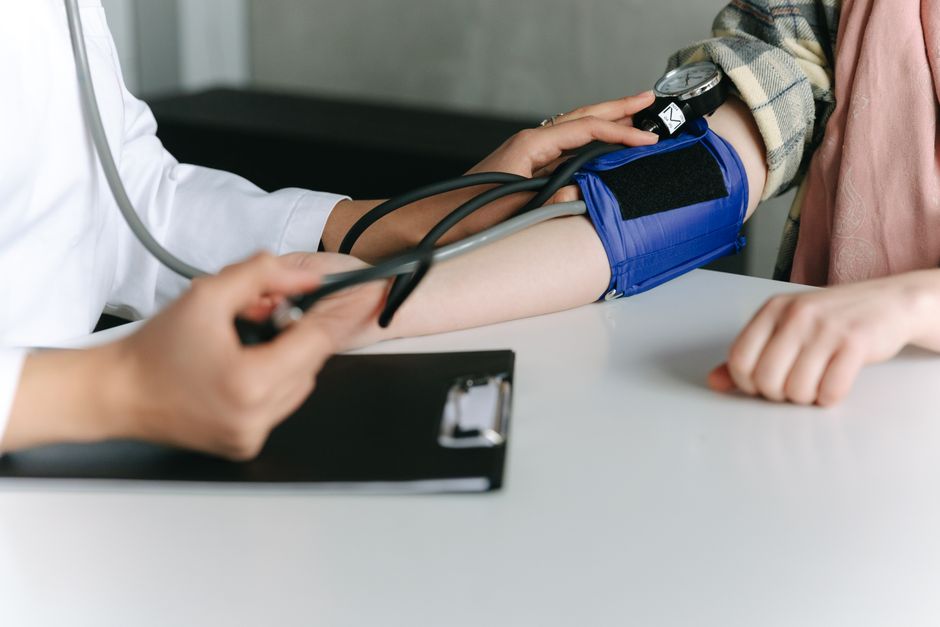
Blood pressure rises when the force of blood against your artery walls stays above normal for too long. Many everyday factors can cause this increase. The most common include eating too much sodium, carrying extra weight, not getting enough exercise, drinking alcohol heavily, smoking, and long-term stress. Some medications and underlying health conditions also play a direct role. Knowing these causes helps you understand what might be affecting your numbers.
What Will Increase Blood Pressure Common Causes?
Several well-studied factors can raise blood pressure. Some are within your control, others are not. The most common causes include a diet high in salt, being overweight or obese, lack of physical activity, heavy alcohol use, tobacco use, chronic stress, and getting older. Family history also matters—if a close relative has high blood pressure, your risk is higher. Some medical conditions such as kidney disease, sleep apnea, and thyroid problems can also cause blood pressure to climb. Certain medications, including nonsteroidal anti-inflammatory drugs (NSAIDs), decongestants, and some birth control pills, may raise blood pressure as a side effect. Each cause works through a different mechanism, but together they explain the majority of high blood pressure cases.
Blood pressure is consistently considered high at 130/80 mm Hg or above according to current U.S. guidelines from the American Heart Association and American College of Cardiology. A single high reading is not a diagnosis—it takes multiple measurements over time. But knowing the common causes helps you make sense of your own readings.
How Does a High-Salt Diet Raise Blood Pressure?
Sodium makes your body hold onto water. When you eat more salt than your kidneys can handle, extra fluid stays in your bloodstream. This increases the volume of blood flowing through your arteries, which raises pressure. Over time, the extra workload can stiffen your artery walls, making it harder for them to expand and contract normally.
Not everyone is equally sensitive to salt. Some people can eat more salt without a large change in blood pressure. Others are “salt-sensitive” and their pressure rises sharply even with modest sodium intake. Age makes salt sensitivity more common. The typical recommendation is to stay under 2,300 milligrams of sodium per day—about one teaspoon of salt—and ideally under 1,500 milligrams if you already have high blood pressure.
Processed foods are the biggest source of sodium in most diets. Bread, deli meats, canned soups, frozen dinners, and restaurant meals all add salt that is easy to overlook. Reading labels is one of the most practical steps you can take.
Can Being Overweight or Obese Increase Blood Pressure?
Yes, carrying excess weight is one of the strongest predictors of high blood pressure. Extra body tissue requires more blood vessels to supply it with oxygen and nutrients. That means your heart has to pump more blood through your system, and the increased flow pushes harder against artery walls.
Fat tissue, especially around the abdomen, also releases hormones and other substances that can narrow blood vessels and raise pressure. Insulin resistance, which often goes hand in hand with obesity, makes it harder for your body to manage blood pressure normally. Losing even a modest amount of weight—5 to 10 percent of your body weight—can produce a measurable drop in blood pressure. The effect is strongest when weight loss is paired with a lower-sodium diet and regular activity.

How Does Alcohol Affect Blood Pressure?
Heavy alcohol use clearly raises blood pressure. Drinking more than three drinks in one sitting can cause a temporary spike. Over time, regular heavy drinking—typically defined as more than one drink per day for women and more than two for men—can keep pressure elevated even when you are not drinking.
Alcohol affects blood pressure through several pathways. It stimulates the sympathetic nervous system, which makes your heart beat faster and your blood vessels constrict. It can also interfere with the effectiveness of blood pressure medications. If you drink, the guidance from most health organizations is to keep it moderate: no more than one drink daily for women and two for men. Cutting back or stopping altogether can lower systolic blood pressure by a few points within weeks.
Can Lack of Physical Activity Raise Blood Pressure?
Yes, being inactive makes high blood pressure more likely. Regular physical activity keeps your heart and blood vessels in good condition. Without it, your resting heart rate tends to be higher, your arteries become less flexible, and you are more likely to gain weight—all of which contribute to rising pressure.
Exercise directly lowers blood pressure during and for several hours after activity. Over weeks and months of consistent training, it can produce a sustained drop of 5 to 8 mm Hg in people with hypertension. Both aerobic exercise like walking, biking, or swimming and strength training have benefits. The general recommendation is at least 150 minutes of moderate-intensity activity per week. Even breaking that into shorter sessions throughout the day has been shown to help.
Do Stress and Anxiety Cause Long-Term High Blood Pressure?
Acute stress causes a temporary rise in blood pressure. When you feel threatened or anxious, your body releases adrenaline and cortisol. Your heart beats faster and your blood vessels narrow, pushing pressure up. Once the stress passes, pressure usually returns to its normal level.
Whether chronic stress alone causes lasting hypertension is less clear. The evidence suggests that stress can contribute indirectly. People under long-term stress often sleep poorly, eat less healthy meals, drink more alcohol, and exercise less. Those behaviors are proven causes of high blood pressure. Managing stress through techniques like deep breathing, good sleep habits, and social connection can help reduce those secondary risks, even if the evidence for stress directly causing hypertension is mixed.
What Medical Conditions and Medications Can Raise Blood Pressure?
Several health conditions can cause or worsen high blood pressure. Kidney disease is one of the most common—healthy kidneys help regulate blood volume and release hormones that control vessel tone. When kidney function declines, blood pressure often rises. Sleep apnea, a condition where breathing repeatedly stops during sleep, triggers oxygen drops and stress hormone surges that push up blood pressure overnight and into the day. Thyroid conditions—both overactive and underactive—can affect pressure, as can Cushing’s syndrome and certain tumors of the adrenal gland.
Medications are another common and often overlooked cause. NSAIDs like ibuprofen and naproxen can raise pressure, especially when taken regularly. Decongestants in cold and allergy products constrict blood vessels for temporary relief but also push pressure up. Oral contraceptives, some antidepressants, corticosteroids, and certain herbal supplements such as licorice root can also increase blood pressure. If your pressure is high and you take any of these, reviewing your medications with a doctor is a reasonable step.
Frequently Asked Questions
Frequently Asked Questions
Can caffeine cause high blood pressure?
Caffeine can cause a temporary spike in blood pressure, especially in people who do not consume it regularly. The effect is usually short-lived and does not appear to cause chronic hypertension in most people who drink moderate amounts daily.
Does smoking increase blood pressure?
Yes, nicotine in tobacco raises blood pressure acutely after each cigarette. Long-term smoking damages artery walls and makes them stiffer, contributing to a sustained increase over time.
Can high blood pressure be reversed without medication?
For some people, lifestyle changes like reducing sodium, losing weight, exercising, and limiting alcohol can lower blood pressure enough to avoid or reduce medication. This works best when blood pressure is only mildly elevated.
What is the most common cause of high blood pressure?
For most adults, a combination of poor diet, excess weight, inactivity, and age is the cause. There is rarely one single cause—multiple factors usually work together.
