
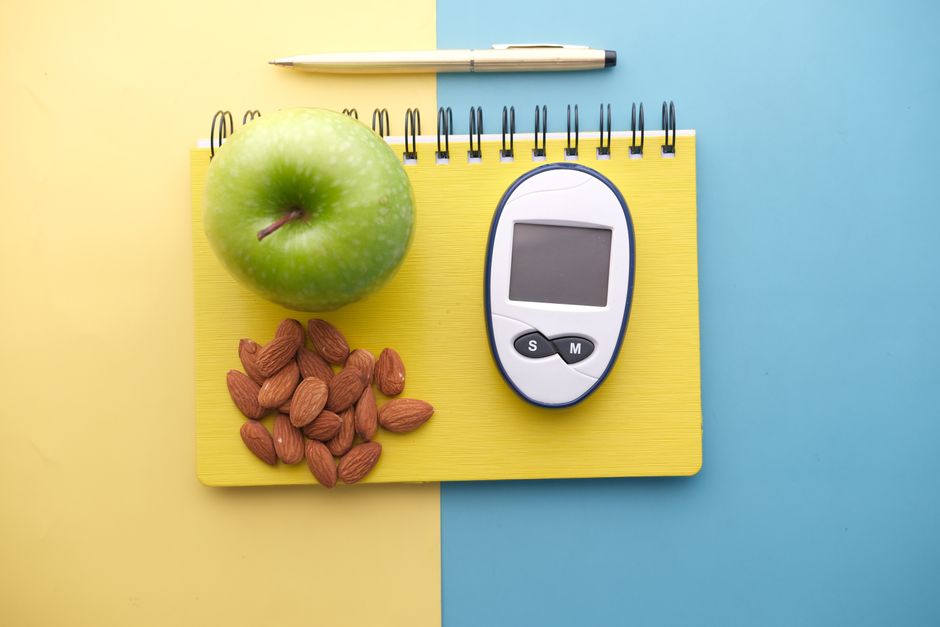
Low blood sugar, called hypoglycemia, is a real medical event with a defined threshold. For most people with diabetes, it is a blood glucose reading below 70 mg/dL. The fastest safe way to raise it is to eat or drink about 15 grams of fast-acting carbohydrate, wait 15 minutes, and recheck. If you are still below 70 mg/dL, repeat. This is the rule clinicians call the 15-15 rule, and it is the standard approach for treating a low that you can still swallow and manage yourself.
What Counts As Low Blood Sugar?
Blood sugar is measured in milligrams per deciliter, written mg/dL. For people with diabetes, a reading below 70 mg/dL is the accepted threshold for hypoglycemia. A reading below 54 mg/dL is considered clinically significant and more serious.
For people without diabetes, the numbers run lower. A fasting glucose between 70 and 99 mg/dL is normal. True hypoglycemia in someone without diabetes is uncommon and usually requires a medical explanation.
Not everyone feels a low at the same number. Some people notice symptoms at 75 mg/dL. Others, especially those who have had diabetes for many years, may not feel symptoms until they drop below 54 mg/dL. This is called hypoglycemia unawareness, and it raises risk because the usual warning signs are missing.
Common symptoms include shakiness, sweating, a pounding heart, hunger, and anxiety. As levels fall further, confusion, slurred speech, and blurred vision can appear. Severe hypoglycemia can cause seizures or loss of consciousness. Those are emergencies. They are not treated with food or drink at home.
How To Increase Blood Sugar Quickly And Safely
The 15-15 rule is the core method. Take 15 grams of fast-acting carbohydrate, wait 15 minutes, and test again. If you are still under 70 mg/dL, take another 15 grams. Repeat until your reading is at or above 70 mg/dL.
Fifteen grams of carbohydrate looks like this:
- 4 glucose tablets, or the amount listed on the package to equal 15 grams
- 1 tube of glucose gel, or the amount listed to equal 15 grams
- 4 ounces (half a cup) of regular fruit juice or regular soda
- 1 tablespoon of sugar, honey, or corn syrup
- 3 to 4 teaspoons of table sugar dissolved in water
Glucose tablets and gel work fastest and are the most predictable. They are also easy to carry. That matters because a low can come on quickly.
Once your reading is back to 70 mg/dL or above, eat a small snack with protein and a slower carbohydrate if your next meal is more than an hour away. This helps keep your level steady. A spoonful of peanut butter with a few crackers is one example.
Do not use food to treat a low if you are not able to swallow safely. If you are confused or cannot swallow, this is an emergency. Someone else should call for help. A glucagon product, given by injection or nasal spray, may be used by a trained person.
What Foods Raise Blood Sugar Fastest?
Speed depends on how quickly the carbohydrate reaches your bloodstream. Pure glucose is absorbed fastest. That is why glucose tablets and gel are the first choice for a low.
Simple sugars in liquid form also work quickly. Regular soda, fruit juice, and honey are absorbed fast because they are already liquid and need little digestion. Note the word regular. Diet soda and sugar-free drinks will not raise blood sugar.
Fat slows absorption. Chocolate and candy bars contain fat, so they raise blood sugar more slowly than glucose tablets. That makes them a poor choice for treating a low, even though they are sweet.
Here is a simple comparison of common options:
| Option | Speed | Notes |
|---|---|---|
| Glucose tablets or gel | Fastest | Predictable dose, easy to carry |
| Regular soda or juice | Fast | Must be the regular, sugary kind |
| Table sugar or honey | Fast | Measure about 15 grams |
| Chocolate or candy bar | Slower | Fat slows absorption |
One point that surprises many people: the goal is not to eat as much sugar as possible. Overcorrecting sends you high, and a high later is its own problem. Take 15 grams, wait, and recheck. Patience is part of doing this safely.
What If You Cannot Swallow Or Are Unconscious?
This is a medical emergency. Do not put food or drink in the mouth of someone who is unconscious or cannot swallow. It can cause choking.
Call 911. If a glucagon product is available and someone is trained to use it, it can be given. Glucagon is a hormone that tells the liver to release stored glucose. It comes as an injection or a nasal spray. A prescription is required.
Anyone who has had a severe low, or who needed glucagon, should talk with their care team afterward. Severe lows are a sign that the current treatment plan may need adjusting.
How To Prevent Low Blood Sugar In The First Place
Prevention is where the real safety lives. Treating a low works, but avoiding it works better.
Check your blood sugar regularly, especially before driving, before and after exercise, and before bed. Exercise uses glucose, so levels can drop during and for hours after activity. Talk with your care team about how to adjust food or medication around workouts.
Carry a fast-acting carbohydrate at all times. Keep glucose tablets in your car, your bag, and your bedside drawer. A low at 3 a.m. is easier to handle if treatment is within reach.
Alcohol is a common trigger. It can lower blood sugar, sometimes hours after drinking. It can also blunt the early warning symptoms. If you drink, eat something with carbohydrate and check your levels more often.
If you take insulin or certain diabetes pills, missed meals, extra activity, and dosing errors are common causes of lows. Your care team can help you match your treatment to your routine. Never change a medication dose on your own.
When To Get Medical Help
Most mild lows can be handled at home with the 15-15 rule. Some situations need more than that.
Get help if you cannot bring your blood sugar up after repeated rounds of treatment. Get help if you are confused, cannot swallow, or lose consciousness. Get help if you have frequent lows, because that pattern points to a treatment plan that is not working well.
Also talk with your care team if you have hypoglycemia unawareness. The usual warning signs are missing, so lows can go unnoticed until they are serious. This is a known condition that clinicians manage, and there are strategies that can help.
Important Facts About Raising Blood Sugar
Several common beliefs deserve a clear correction.
More sugar is not better. Taking far more than 15 grams does not speed recovery. It just raises the chance of a rebound high. The 15-15 rule exists because it works without overshooting.
Diet drinks will not help. They contain no carbohydrate to raise your level. The same goes for sugar-free candy and most sugar-free gum.
Peanut butter, nuts, and cheese are not good first-line treatments for a low. They contain little fast carbohydrate. Fat and protein slow the rise. They are useful as a follow-up snack, not as the fix.
If you do not have diabetes, low blood sugar is uncommon. Symptoms that feel like a low can have other causes. If you are having these symptoms and do not have diabetes, see a clinician rather than treating yourself with sugar. The cause needs to be identified.
Frequently Asked Questions
How much sugar should I eat to raise my blood sugar?
Take about 15 grams of fast-acting carbohydrate, wait 15 minutes, and recheck. Repeat if your reading is still below 70 mg/dL.
What is the fastest way to raise blood sugar?
Glucose tablets or glucose gel raise blood sugar fastest because they are pure glucose and absorbed quickly. Regular soda or fruit juice also work fast.
Can I raise my blood sugar without eating?
No. For a mild low you can manage yourself, carbohydrate is the treatment. If you cannot swallow or are unconscious, it is an emergency and glucagon may be needed.
What should I do if my blood sugar stays low after treating it?
Repeat 15 grams of carbohydrate and recheck after 15 minutes. If it still will not come up, or you feel confused, get medical help right away.
