
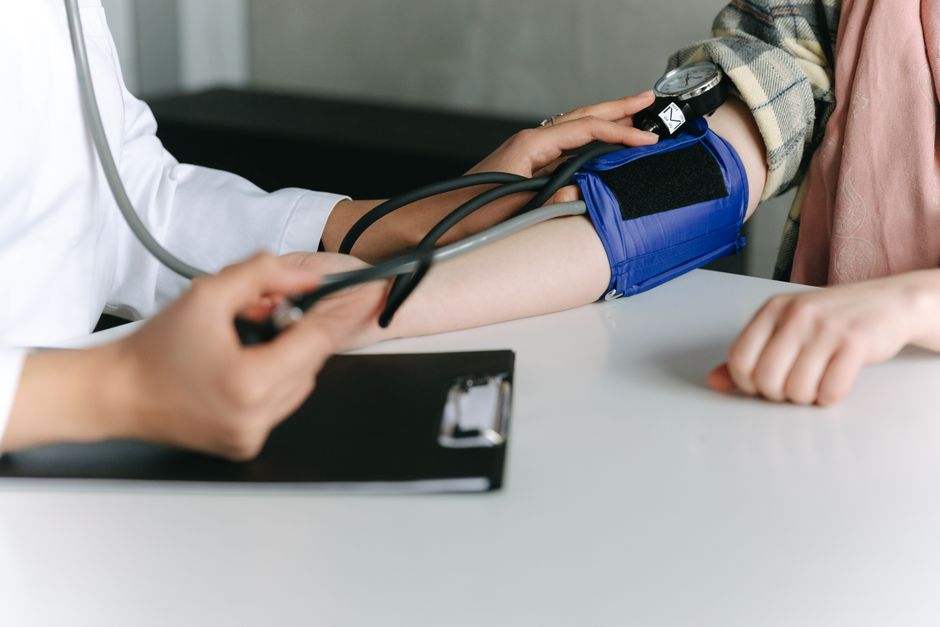
Low blood pressure, known medically as hypotension, is common. Many people feel fine with it. But when it causes dizziness, fainting, or fatigue, it becomes a real problem. You can often raise your blood pressure with simple changes to how much water you drink, what you eat, and how you move. The most effective approach starts with adding more fluid and salt to your daily routine, then addressing any underlying causes with your doctor.
What Is Considered Low Blood Pressure?
Blood pressure measures the force of blood against your artery walls. A normal reading is around 120/80 mmHg. The top number, systolic, measures pressure when your heart beats. The bottom number, diastolic, measures pressure between beats.
Most doctors consider blood pressure low when it drops below 90/60 mmHg. That number alone is not always a problem. Some healthy people, especially young adults and athletes, naturally run low without symptoms.
The concern comes when low blood pressure causes symptoms. Dizziness, lightheadedness, blurred vision, and fainting are common signs. Some people also feel nauseous, fatigued, or unable to concentrate. If you have these symptoms, raising your blood pressure may improve how you feel.
What Causes Blood Pressure To Drop?
Several factors can pull your blood pressure down. Dehydration is one of the most common. When your body lacks water, blood volume drops, which lowers pressure.
Certain medications cause low blood pressure as a side effect. Diuretics, some antidepressants, and alpha or beta blockers are examples. Your doctor may adjust the dose if low pressure becomes a problem.
Medical conditions also play a role. Diabetes, heart conditions, thyroid disorders, and nervous system issues can all affect blood pressure regulation. Anemia, which means low red blood cells, can also contribute. So can pregnancy, especially in the first two trimesters.
Some people experience a specific type called orthostatic hypotension. This happens when you stand up quickly and blood pools in your legs. The body fails to adjust fast enough, causing a sudden drop in pressure and possible dizziness.
How To Increase Blood Pressure With Hydration and Diet
Fluid intake is the fastest lever you can pull. Water increases blood volume, which directly supports blood pressure. Some research suggests drinking about 300-500 mL of water can raise blood pressure within minutes in people with orthostatic hypotension. That is roughly one to two cups.
Electrolytes matter too. Sodium helps your body retain water. If your blood pressure runs low, adding a little extra salt to your meals is often the first recommendation. The American Heart Association advises limiting sodium to 2,300 mg per day for most adults. But people with low blood pressure may need more. Talk to your doctor about whether a higher salt intake is safe for you, especially if you have heart or kidney disease.
Foods naturally rich in sodium include olives, pickles, canned soups, and broths. Just be aware that high-sodium diets carry long-term risks like heart disease and stroke. This approach is not for everyone.
Vitamin B12 and folate also matter. Deficiencies in either can cause anemia, which lowers blood pressure. Good sources of B12 include meat, fish, eggs, and dairy. Folate is found in leafy greens, beans, and fortified grains. Ask your doctor for a blood test if you suspect a deficiency.


Lifestyle Adjustments That Help Manage Low Blood Pressure
How you move matters as much as what you eat. If you get dizzy when standing, change positions slowly. Sit on the edge of the bed for a minute before standing. Flex your calf muscles a few times before you rise. This helps push blood back toward your heart.
Compression stockings can help. These tight-fitting socks or tights apply pressure to the legs, which reduces blood pooling. They are commonly used for orthostatic hypotension. They work best when worn during the day and removed at night.
Avoid prolonged standing in one spot. If you must stand, shift your weight frequently or march in place. This keeps blood moving and prevents it from settling in your lower body.
Alcohol can lower blood pressure. It causes dehydration and widens blood vessels, both of which drop pressure. If you drink, limiting intake may help stabilize your readings. Also be careful with hot showers or baths, which dilate blood vessels and can cause pressure to fall.
Eating smaller, more frequent meals can help prevent postprandial hypotension. This condition causes blood pressure to drop within one to two hours after eating. It happens because blood rushes to the digestive tract. Smaller meals reduce the effect.
When To See a Doctor About Low Blood Pressure
Occasional lightheadedness after standing is common and usually not serious. But some symptoms warrant medical attention. Seek care if you faint, have chest pain, experience shortness of breath, or notice blood in your stool. Severe headache, blurred vision, or neck stiffness along with low pressure can signal a more serious condition.
Low blood pressure that occurs with fever, vomiting, or diarrhea may indicate dehydration or infection. If you cannot keep fluids down, you may need intravenous fluids in a medical setting.
If you take blood pressure medication, do not adjust it on your own. Some medications are meant to keep pressure low, especially for people with heart conditions. Raising pressure without medical guidance could interfere with treatment for another condition.
Your doctor can run tests to find the cause. These may include blood tests, an electrocardiogram, or a tilt table test. The tilt table test monitors your blood pressure and heart rate as the table moves you from lying to standing. It helps diagnose orthostatic hypotension and related conditions.
Medical Treatments for Chronic Low Blood Pressure
When lifestyle changes are not enough, doctors may consider medication. Fludrocortisone is one option. It helps your body retain sodium and fluid, which raises blood volume. Midodrine is another. It works by tightening blood vessels, which raises pressure. Both require a prescription and close monitoring.
These medications are not first-line treatments. They are reserved for people whose symptoms significantly affect daily life and who do not respond to hydration, salt, and compression. Side effects can include fluid retention, headache, and high blood pressure when lying down.
No clinical guidelines currently exist for over-the-counter supplements to raise blood pressure. Some products claim to help, but large human trials have not confirmed their effectiveness. Be cautious with any supplement marketed for blood pressure support. Always tell your doctor what you take.
What Does Not Work and What Is Dangerous
Caffeine is sometimes suggested as a quick fix. It can cause a short-term spike in blood pressure, but the effect is temporary and inconsistent. Regular caffeine drinkers may build tolerance, reducing the effect over time. Relying on caffeine is not a proven long-term strategy.
Some viral health trends suggest extreme salt loading or drinking pickle juice. These are not medically supported. Excessive sodium can damage your kidneys and raise your risk of heart disease. It is not a safe way to manage chronic low blood pressure.
Do not stop taking prescribed medications to see if your blood pressure rises. Many medications are essential for managing other conditions. Stopping them without medical supervision can cause serious harm.
Frequently Asked Questions
What is the fastest way to raise low blood pressure?
Drinking one to two cups of water and adding a little salt to a meal can raise blood pressure within minutes. These effects are temporary, so they work best for sudden dizziness, not long-term management.
Is 90/60 blood pressure too low?
A reading of 90/60 is below the normal range, but it is not automatically dangerous. Many healthy people live at this level without symptoms. It becomes a concern when you experience dizziness, fainting, or fatigue.
Can low blood pressure be cured?
Treatment depends on the cause. Dehydration, medication side effects, and nutritional deficiencies can often be corrected. Chronic conditions like autonomic nervous system disorders may require ongoing management rather than a cure.
What should I eat to raise my blood pressure?
Foods with higher sodium content, such as olives, pickles, and broths, can help raise blood pressure. Foods rich in vitamin B12 and folate, like eggs, fish, and leafy greens, support healthy red blood cell production.
