
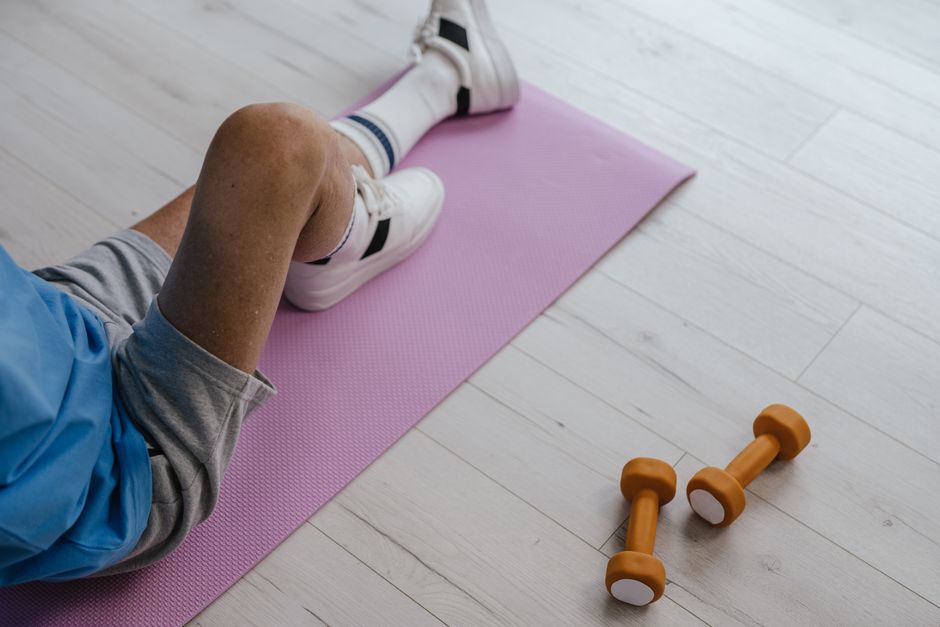
Your blood vessels are not passive pipes. They are living tissue that responds to how you move, eat, sleep, and manage stress. The most reliable ways to improve vascular health and circulation are regular aerobic activity, a diet built around vegetables, fruit, whole grains, legumes, and healthy fats, not smoking, keeping blood pressure and blood sugar in healthy ranges, and staying physically active throughout the day. No single supplement or superfood matches what these fundamentals do for your arteries.
What Does “Vascular Health” Actually Mean?
Vascular health refers to how well your blood vessels do their job. That job is bigger than most people realize.
Arteries carry oxygen-rich blood away from the heart. Veins return blood back. Capillaries, the smallest vessels, deliver oxygen and nutrients to tissue and carry waste away. Together they form a network roughly 60,000 miles long in an adult.
The health of that network depends on the endothelium, a single layer of cells lining every vessel. The endothelium is not just a barrier. It releases nitric oxide, a molecule that signals the surrounding muscle to relax. When that muscle relaxes, vessels widen and blood flows more easily. This process is called vasodilation.
When the endothelium is damaged — by high blood pressure, high blood sugar, smoking, or chronic inflammation — nitric oxide production falls. Vessels stiffen. Plaque can build up. Blood flow suffers. This is the underlying process behind most cardiovascular disease, and it develops quietly over years or decades.
How To Improve Vascular Health And Circulation Through Daily Habits
Movement is the single most direct way to improve circulation. When you exercise, your working muscles need more oxygen, so blood vessels widen to deliver it. Repeated over time, this trains the endothelium to function better.
Aerobic activity — brisk walking, cycling, swimming, jogging — has the strongest evidence base. Research consistently shows that regular aerobic exercise improves endothelial function and arterial stiffness in adults. The effect appears in both healthy people and those with existing cardiovascular risk factors.
How much? General public health guidance in the United States recommends at least 150 minutes of moderate-intensity aerobic activity per week, or 75 minutes of vigorous activity, plus muscle-strengthening activity on two or more days. This is a widely used benchmark, not a magic threshold. Some activity is better than none, and more generally helps.
Two details matter that people often miss:
- Sitting is its own risk factor. Long uninterrupted sitting reduces blood flow in the legs. Breaking up sitting every 30 to 60 minutes with a few minutes of movement helps counter this.
- Intensity matters less than consistency. A daily 30-minute walk done most days does more for vascular function than an intense workout once a week.
Smoking is the other major lever. Chemicals in tobacco smoke damage the endothelium directly and reduce nitric oxide availability. Stopping smoking is one of the most effective things a person can do for their blood vessels, and some improvement in endothelial function can occur within weeks to months of quitting. The exact timeline varies by person and by how long they smoked.
Which Foods Support Blood Vessel Health?
Diet affects vascular health through several pathways at once — blood pressure, cholesterol, blood sugar, inflammation, and the endothelium itself. No single food does all of this. The overall pattern matters most.
Eating patterns linked to better cardiovascular outcomes share common features. They emphasize vegetables, fruit, whole grains, legumes, nuts, seeds, and fish. They limit processed meat, refined grains, added sugar, and sodium. The Mediterranean-style diet is the most studied example, and research published in the New England Journal of Medicine found that a Mediterranean diet supplemented with olive oil or nuts reduced major cardiovascular events in people at high risk.
Specific compounds get a lot of attention. Nitrates in beetroot and leafy greens can be converted to nitric oxide in the body, and some studies show small improvements in blood pressure and exercise performance. The effect is real but modest, and it does not replace the fundamentals.
What about supplements? This is where marketing outruns evidence.
- Omega-3 supplements: Evidence is mixed. Some trials show benefit for certain cardiovascular outcomes, others do not. Eating fish is better supported than taking capsules.
- Nitric oxide “boosters”: Most commercial products have little or no clinical trial evidence behind them.
- Antioxidant supplements: Large trials of vitamins C and E have generally failed to show cardiovascular benefit, and some have suggested harm at high doses.
Food first. Supplements are not a shortcut around diet quality.



How Do Blood Pressure and Blood Sugar Affect Circulation?
High blood pressure damages arteries by forcing them to work against constant resistance. Over time the vessel walls thicken and stiffen, and the endothelium loses some of its ability to relax. This raises the risk of heart attack, stroke, kidney disease, and peripheral artery disease.
Blood pressure is measured in millimeters of mercury (mm Hg). A normal reading is generally below 120/80. Hypertension is typically defined as 130/80 or higher, though diagnosis requires repeated measurements and clinical judgment. These thresholds come from major guidelines and are well established.
Blood sugar matters in a similar way. Chronically elevated glucose damages blood vessel walls and the nerves that help regulate circulation. This is why diabetes is a major risk factor for vascular disease. A fasting glucose between 70 and 99 mg/dL is considered normal. Diabetes is generally diagnosed at a fasting glucose of 126 mg/dL or higher on two occasions, or by other standard criteria.
Keeping these numbers in range is not just about avoiding a diagnosis. It is about protecting the endothelium every day.
Can Poor Circulation Be Reversed?
Some aspects of vascular function can improve. Structural damage is harder to undo.
Endothelial function is somewhat reversible. Studies show that exercise, weight loss, blood pressure control, and smoking cessation can all improve how well the endothelium works. Arterial stiffness can also improve with sustained lifestyle change, though the effect is usually gradual.
Plaque that has already built up inside arteries is a different story. Atherosclerosis — the accumulation of fatty deposits in artery walls — generally does not reverse substantially with lifestyle alone. It can be stabilized and its progression slowed, which is clinically meaningful because stable plaque is less likely to rupture and cause a heart attack or stroke.
This is why early action matters more than late correction. The vessels you protect in your 40s and 50s are the ones doing the work in your 70s.
What Are the Warning Signs of Poor Circulation?
Poor circulation can be silent for a long time. When symptoms do appear, they often show up first in the legs and feet.
Common signs include:
- Cramping or pain in the legs or calves during walking that eases with rest
- Cold hands or feet
- Numbness, tingling, or weakness in the limbs
- Slow-healing wounds, especially on the feet
- Skin color changes or hair loss on the legs
- Swelling in the ankles or feet
These symptoms can have several causes. Peripheral artery disease, diabetes-related nerve damage, venous insufficiency, and other conditions can all produce similar signs. A doctor can distinguish between them with an exam and simple tests. Do not assume a single cause.
Chest pain, sudden weakness on one side of the body, difficulty speaking, or sudden severe shortness of breath are emergencies. Call 911.
Does Stress Affect Your Blood Vessels?
Yes, and the mechanism is fairly direct. Psychological stress triggers the release of cortisol and adrenaline. These hormones raise heart rate and blood pressure and can constrict blood vessels. Short bursts are normal and not harmful. Chronic stress keeps the system activated.
Over time, sustained stress is associated with higher blood pressure, more inflammation, and worse endothelial function. The evidence linking chronic stress to cardiovascular events is consistent but harder to quantify than, say, the link between smoking and heart disease.
What helps: regular physical activity, adequate sleep, social connection, and stress-reduction practices such as slow breathing or meditation. These are reasonable supports, not proven cures for vascular disease.
Sleep deserves separate mention. Obstructive sleep apnea is strongly linked to high blood pressure and cardiovascular risk, and it often goes undiagnosed. Loud snoring, gasping during sleep, and daytime fatigue are reasons to get evaluated.
What Else Matters for Circulation?
A few additional factors are worth knowing.
Hydration. Blood is mostly water. Dehydration thickens blood slightly and can make circulation less efficient, though the effect on healthy adults is modest. Drinking to thirst is generally adequate for most people.
Temperature. Cold causes blood vessels near the skin to narrow, which is why hands and feet get cold. This is normal physiology, not a sign of disease on its own.
Compression. For people with venous insufficiency or after certain surgeries, compression stockings can help blood return from the legs. This is a clinical tool, not a general wellness product.
Medications. Some prescription medications affect circulation, including certain blood pressure drugs, blood thinners, and medications for erectile dysfunction. Never stop or change a medication without talking to your doctor.
The pattern across all of this is consistent. The things that help your blood vessels are the same things that help your heart, your brain, and your overall health. There is no separate trick for circulation. There is only the daily work of keeping the system in good condition.
Frequently Asked Questions
Can you improve circulation naturally?
Yes. Regular aerobic exercise, not smoking, a diet rich in vegetables and whole grains, and keeping blood pressure and blood sugar in healthy ranges all improve circulation. These are the same steps that protect against cardiovascular disease.
What is the fastest way to improve blood circulation?
Movement is the most immediate lever — blood flow to working muscles increases within minutes of starting to walk or exercise. Sustained improvement in vascular function takes weeks to months of consistent activity.
Do supplements improve blood circulation?
Most commercial circulation supplements have little or no clinical trial evidence supporting them. Some compounds like dietary nitrates from beetroot show modest effects, but they do not replace exercise, diet, or medical treatment.
When should I see a doctor about poor circulation?
See a doctor if you have leg pain while walking that eases with rest, slow-healing wounds, persistent numbness, or swelling in the legs. Sudden chest pain, weakness on one side, or trouble speaking are emergencies — call 911.
