
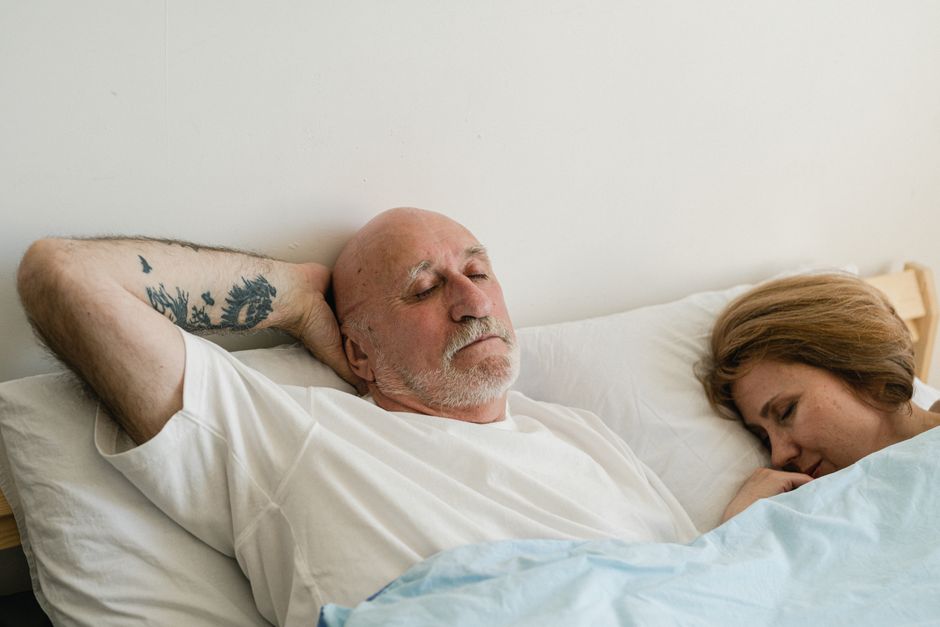
Sleeping more than nine hours a night on a regular basis is often called long sleep. It is not the same as catching up after a rough week. It is a consistent pattern where you sleep longer than your body seems to need. Many people assume more sleep is always better. That is not what the evidence shows. Research links long sleep to real health risks including heart problems and earlier death. But the bigger question is why it happens in the first place. The causes range from underlying medical conditions to lifestyle factors that quietly push your sleep longer than it should be. Understanding both the causes and the health risks is the first step toward figuring out what is actually going on with your body.
What Counts as Sleeping Too Much?
Most adults need between seven and nine hours of sleep per night. That range comes from large population studies and expert consensus. Sleeping more than nine hours regularly is considered long sleep. It is not about one lazy Sunday. It is about a pattern that lasts weeks or months.
Some people naturally need more sleep. That is rare. Current research suggests only about two percent of the population are natural long sleepers who feel fully rested after nine or more hours. For everyone else, sleeping that long signals something else is happening.
If you wake up feeling tired after nine or more hours of sleep, that is a red flag. Quality matters as much as quantity. You can sleep ten hours and still get poor quality sleep if you wake up often or have an untreated sleep disorder. The number alone does not tell the full story.
Why Do I Sleep Too Much? Causes And Health Risks
There is not one single reason people sleep too much. The causes are varied and often overlap. Some are medical. Some are lifestyle driven. Some are tied to mental health. Here is what the evidence points to.
Sleep disorders are a common cause. Obstructive sleep apnea is one of the most frequent. It causes breathing to stop repeatedly during sleep. Your brain wakes you up just enough to restart breathing, but you do not remember it. The result is fragmented sleep that leaves you exhausted. You sleep longer trying to compensate but never feel rested. Restless leg syndrome can also cause this pattern because it makes falling and staying asleep difficult.
Depression is strongly linked to long sleep. Some studies have found that people with depression sleep more than nine hours at rates much higher than the general population. The relationship goes both ways. Depression can cause long sleep, and long sleep can worsen depression symptoms. It is a cycle that is hard to break without treating the underlying mood disorder.
Hypothyroidism slows down your metabolism. Fatigue and excessive sleep are common symptoms. If your thyroid is underactive, you may feel the need to sleep more than usual. A simple blood test can check this.
Chronic fatigue syndrome and fibromyalgia are conditions where the body feels constantly drained. People with these conditions often sleep longer but still wake up unrefreshed. The sleep itself is not restorative.
Medications can also cause long sleep. Antihistamines, some antidepressants, blood pressure drugs, and muscle relaxants all have sedation as a side effect. If you started sleeping longer after a new medication, that is worth discussing with your doctor.
Alcohol is another factor. It might help you fall asleep faster, but it disrupts the second half of the night. You wake up more often and spend less time in deep sleep. This can lead to longer total sleep time because your body is trying to make up for poor quality.
Lifestyle factors matter too. Poor sleep hygiene such as irregular bedtimes, too much screen time before bed, or a bedroom that is too warm can make sleep less efficient. Your body may need more hours to get the same restorative benefit.
What Health Risks Are Linked to Long Sleep?
The connection between long sleep and health problems is well documented. The exact reasons are still being studied, but the associations are consistent across large studies.
Cardiovascular disease is one of the strongest links. A 2018 review in the Journal of the American Heart Association found that people who slept more than nine hours had a significantly higher risk of stroke and heart disease compared to those sleeping seven to eight hours. The risk increased with longer sleep duration.
Diabetes is another concern. Studies have found that long sleepers have higher rates of type 2 diabetes. This may be related to how long sleep affects glucose metabolism and insulin sensitivity. The relationship holds even after accounting for obesity and physical activity levels.
Obesity is more common in people who sleep too much. This could be because long sleep is often less active time. It could also be that the same underlying issues causing long sleep such as depression or hypothyroidism also contribute to weight gain.
Cognitive decline and dementia have been linked to long sleep in older adults. A 2017 study in the journal Neurology found that people who consistently slept more than nine hours had a higher risk of developing dementia over the next decade. The brain may need an optimal amount of sleep to clear waste products and maintain healthy function.
Early death is the most serious association. Multiple large meta-analyses have found that long sleep is linked to higher all-cause mortality. The risk is modest but consistent. It is not clear whether long sleep itself causes early death or whether it is a marker of underlying disease.
| Sleep Duration | Associated Health Risks |
|---|---|
| Less than 6 hours | Higher risk of heart disease, obesity, diabetes, impaired immune function |
| 7 to 8 hours | Lowest risk for most health outcomes |
| More than 9 hours | Higher risk of stroke, heart disease, diabetes, dementia, early death |
The table above shows a clear pattern. Both too little and too much sleep are linked to worse health outcomes. The sweet spot is in the middle.





How Can You Tell If Long Sleep Is a Problem for You?
The first step is to track your sleep honestly. Keep a sleep log for two weeks. Write down when you go to bed, when you wake up, and how rested you feel during the day. Do not guess. Write it down.
Ask yourself a few questions. Do you wake up feeling refreshed after nine or more hours of sleep? Or do you still feel tired? Do you need an alarm clock to wake up, or do you wake naturally? Do you feel sleepy during the day even after a long night of sleep?
If you feel rested and function well during the day, you might be one of the rare natural long sleepers. That is not a health risk by itself. But if you feel tired, groggy, or dependent on caffeine to get through the day, something is off.
Consider whether any of the common causes apply to you. Have you started a new medication recently? Do you snore loudly or wake up gasping for air? Have you felt depressed or lost interest in things you used to enjoy? Do you have other symptoms like weight gain, cold sensitivity, or dry skin that might point to a thyroid issue?
If any of these sound familiar, it is worth seeing a doctor. Start with your primary care provider. They can run basic blood work and refer you to a sleep specialist if needed.
What to Avoid When Trying to Fix Long Sleep
Do not try to force yourself to sleep less overnight. That rarely works and can backfire. If you are sleeping long because your body is trying to recover from poor quality sleep, cutting sleep time will only make you more tired.
Do not rely on caffeine to mask daytime sleepiness. It is a temporary fix that can disrupt your sleep further if consumed too late in the day. It also does not address the root cause.
Do not assume sleeping pills will help. They can actually make long sleep worse by increasing total sleep time without improving sleep quality. They also come with risks like dependence and next-day drowsiness.
Do not ignore other symptoms. Long sleep rarely happens in isolation. If you are also experiencing fatigue, weight changes, mood shifts, or breathing issues during sleep, those clues matter. Focusing only on sleep duration misses the bigger picture.
Practical Steps That Actually Help
Start with sleep hygiene. It sounds basic because it is. But it works for many people. Go to bed and wake up at the same time every day including weekends. Keep your bedroom cool, dark, and quiet. Avoid screens for at least an hour before bed. Blue light from phones and laptops suppresses melatonin and delays sleep onset.
Get morning sunlight exposure. Natural light in the first hour after waking helps set your internal clock. It tells your brain that daytime has started and helps you feel more alert. It also makes it easier to fall asleep at the right time later.
Move your body during the day. Regular physical activity improves sleep quality. It does not have to be intense. A thirty minute walk most days is enough. Just avoid vigorous exercise within two hours of bedtime.
Address your mental health. If depression or anxiety might be driving your long sleep, treating those conditions can help. Therapy, medication, or both can make a real difference. Do not try to sleep your way out of depression. It does not work.
Talk to your doctor about medications you take. If a drug is causing excessive sleepiness, there may be alternatives. Never stop a prescribed medication without medical guidance, but do ask if adjustments are possible.
Consider a sleep study if you snore loudly or wake up gasping. Sleep apnea is treatable. CPAP therapy can dramatically improve sleep quality and reduce total sleep time because you are actually getting restorative sleep.
Frequently Asked Questions
Is sleeping 10 hours a night bad for you?
Regularly sleeping 10 hours is linked to higher risks of heart disease, stroke, and diabetes. If you feel rested after that amount, it may not be harmful, but it is worth checking for underlying causes.
Can depression make you sleep too much?
Yes, depression is strongly linked to long sleep. Some people with depression sleep more than nine hours, and the long sleep can worsen depression symptoms in return.
Should I see a doctor if I sleep too much?
Yes, especially if you still feel tired after a long sleep or have other symptoms like snoring, weight gain, or low mood. A doctor can check for sleep disorders, thyroid issues, and other causes.
Does oversleeping cause weight gain?
Research shows a link between long sleep and higher obesity rates. It is not clear if oversleeping directly causes weight gain or if the same underlying issues cause both.
