
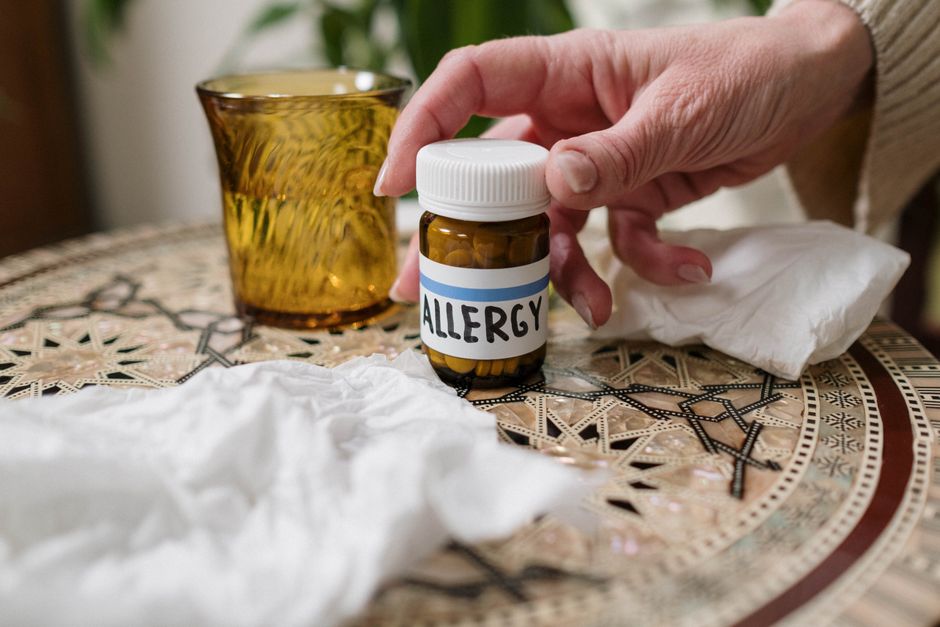
Seasonal allergies affect more than 50 million Americans each year, and most over-the-counter remedies only treat symptoms after they start. The real question is not which pill to take but how to improve your allergy remedies so they actually work. The answer combines timing your medications correctly, using multiple approaches at once, and making small changes to your environment that reduce your total allergen load. Here is what the evidence actually says about making allergy treatments more effective.
What Causes Allergies and Why Do Remedies Sometimes Fail?
An allergy is your immune system overreacting to a harmless substance like pollen or dust mites. Your body releases histamine, which causes sneezing, itching, and congestion. Most allergy medications block histamine or reduce inflammation. But they fail when you use them too late, take the wrong type, or do not address the root cause of your exposure.
Research shows that taking antihistamines after symptoms are already severe is much less effective than taking them before you are exposed. Many people wait until they feel miserable and then expect a pill to fix everything in an hour. That is not how histamine works. Once histamine is released, symptoms take time to settle even with medication.
Another common reason remedies fail is that people use one approach and stop there. A single antihistamine may reduce sneezing by 50 percent, but combining it with a nasal spray, eye drops, and environmental controls can push that number much higher. Allergy treatment works best as a stack, not a single solution.
What Is the Best Time of Day to Take Allergy Medication?
Timing matters more than most people realize. For pollen allergies, the worst time of day for exposure is early morning, usually between 5 AM and 10 AM. Pollen counts rise at dawn and peak before noon. If you take a once-daily antihistamine in the morning, you are already behind.
Current research suggests taking your medication in the evening, around dinner time or before bed, gives you better coverage for the next day. Many antihistamines take one to two hours to reach full effect. Taking them the night before means they are already working when you wake up and step outside.
For people with dust mite allergies, timing is less critical because exposure is constant indoors. The bigger issue is reducing the allergen source in your bedroom. Wash bedding in hot water weekly, use allergen-proof covers on pillows and mattresses, and keep humidity below 50 percent. These steps make your medication work better because your body has less allergen to react to.
Which Allergy Medications Actually Work Best for Different Symptoms?
Not all allergy medications treat the same symptoms. Choosing the right one for your specific problem is essential. The table below compares common options based on what the evidence shows.
| Symptom | Best Option | Why It Works |
|---|---|---|
| Sneezing and runny nose | Second-generation antihistamine (loratadine, cetirizine, fexofenadine) | Blocks histamine without causing drowsiness |
| Stuffy nose and sinus pressure | Nasal corticosteroid spray (fluticasone, triamcinolone) | Reduces inflammation directly in nasal passages |
| Itchy, watery eyes | Antihistamine eye drops (ketotifen, olopatadine) | Targets histamine receptors in the eyes directly |
| Severe congestion that will not clear | Short-term decongestant spray (oxymetazoline) or oral decongestant (pseudoephedrine) | Constricts blood vessels to reduce swelling |
| Multiple symptoms at once | Combination of antihistamine plus nasal steroid spray | Addresses both histamine release and inflammation |
Nasal steroid sprays are the most effective single treatment for nasal allergies according to clinical guidelines. But they take three to seven days to reach full effect. Many people try them once, feel no improvement, and stop. That is a mistake. You have to use them daily for at least a week to know if they work for you.
Antihistamine eye drops work faster but only for eye symptoms. If your main problem is a stuffy nose, eye drops will not help. Match the medication to the symptom.





How To Improve Your Allergy Remedies With Simple Environmental Changes
Medication alone cannot outrun constant high-dose allergen exposure. Reducing how much allergen you breathe in makes your medication more effective. This is called lowering your total allergen load.
Start with your bedroom. You spend six to eight hours there every night. If your bedroom is full of dust mites, pollen on your pillow, or pet dander, you are essentially marinating in allergens for a third of your day. Use a HEPA air purifier in your bedroom. Keep windows closed during high pollen seasons. Shower and change clothes before getting into bed to wash off pollen from your hair and skin.
For outdoor allergies, check daily pollen counts and plan your time outside accordingly. Pollen is highest on dry, windy days and lowest after rain. Wear a hat and sunglasses to keep pollen off your face. Some studies suggest using a saline nasal rinse or neti pot after coming indoors can flush pollen out of your nasal passages before it triggers a full allergic response.
These changes do not replace medication. They make medication work better by giving your immune system less to fight. If you reduce your allergen exposure by half, your antihistamine does not have to work as hard.
What Are the Common Mistakes People Make With Allergy Remedies?
Many people buy the wrong product and then assume nothing works. One of the biggest mistakes is using a decongestant nasal spray for more than three days. Sprays like oxymetazoline (Afrin) work quickly for stuffy noses, but using them longer than three days causes rebound congestion. Your nose becomes dependent on the spray, and when you stop, the congestion comes back worse than before. This is not an allergy problem anymore. It is a medication problem.
Another mistake is taking a first-generation antihistamine like diphenhydramine (Benadryl) for daily allergies. This drug causes significant drowsiness and impairs cognitive function. It is fine for occasional use or severe reactions, but for daily seasonal allergies, second-generation options like loratadine or cetirizine work just as well without making you tired.
Some people also stop taking their medications too soon. Nasal steroids and some antihistamines need consistent daily use for the best effect. Taking them only on days you feel bad means you are always playing catch-up. Consistency matters more than dose.
How To Improve Allergies Remedies That Actually Work for Children and Older Adults
Children and older adults respond differently to allergy medications. For children, weight-based dosing is important. Many parents give their child half an adult dose, but this is not always correct. Liquid formulations designed for children are safer and more accurate. Second-generation antihistamines are preferred for children because they cause less drowsiness and do not affect school performance.
For older adults, the main concern is drug interactions. Many older people take medications for blood pressure, heart conditions, or prostate issues. Some decongestants and first-generation antihistamines can interact with these drugs. Fexofenadine (Allegra) and cetirizine (Zyrtec) are generally considered safer for older adults, but it is always best to check with a pharmacist.
Older adults also have drier nasal passages, which can make nasal steroid sprays uncomfortable. Using a saline mist before the steroid spray can help. As of 2026, current research continues to support nasal steroids as first-line treatment for allergic rhinitis in all age groups, with proper monitoring for side effects.
Frequently Asked Questions
Frequently Asked Questions
Can you build a tolerance to allergy medications?
No, antihistamines do not cause tolerance in the way pain medications do. If your symptoms worsen over time, it is usually because pollen counts are higher or your allergies are progressing, not because the drug stopped working.
Is it safe to take two different allergy medications at once?
Yes, but only if they are different types. Combining an oral antihistamine with a nasal steroid spray is safe and often recommended. Do not take two oral antihistamines at the same time.
How long does it take for allergy shots to work?
Most people notice improvement within three to six months of starting immunotherapy. Full benefit usually takes one to two years. Shots are most effective for pollen, dust mite, and pet allergies.
Does local honey help with seasonal allergies?
There is no strong clinical evidence that local honey reduces allergy symptoms. Some people report feeling better, but controlled studies have not found a significant benefit compared to placebo.
