
Irritable bowel syndrome is a real disorder of how the gut and brain communicate, not a catch-all term for an upset stomach. There is no single diet, workout, or pill that fixes it for everyone. Still, the strongest evidence points to a handful of practical tools: a structured eating plan, regular movement, targeted fiber, and a few specific supplements. Some supplements sold for IBS have almost no evidence behind them, and it is worth knowing which is which.
What Actually Happens in IBS?
IBS is classified as a disorder of gut-brain interaction. The gut itself usually looks normal on standard tests, but it behaves differently. The intestines may move too fast or too slow, and the nerves lining them appear to fire more readily than usual. That heightened sensitivity is why normal amounts of gas or stretching can register as real pain.
This is also why IBS is diagnosed by symptoms rather than a single test. The widely used Rome criteria describe recurring abdominal pain, on average at least one day per week in the last three months, tied to bowel movements or to a change in stool frequency or form. The three main patterns are IBS with constipation, IBS with diarrhea, and a mixed type that alternates.
Two things follow from this. First, IBS is not imaginary or “just stress,” though stress can clearly make symptoms worse. Second, because the problem sits in gut-brain signaling rather than in visible damage, treatments aim to calm that signaling and reduce triggers — not to repair a structural defect.
How To Help IBS With Food, Exercise, and Supplements
The core approach combines three levers. Diet removes or reduces specific triggers. Exercise supports gut motility and lowers stress. Supplements address narrower problems like fiber gaps, certain gut bacteria, or specific mechanisms such as bile acid handling. None of these works in isolation, and none is a cure.
Before changing anything, it helps to know your pattern. Constipation-predominant IBS responds to a different set of choices than diarrhea-predominant IBS. A food or supplement that helps one can worsen the other. Tracking symptoms for a couple of weeks alongside what you eat and how you move gives you far more useful information than guessing.
Which Foods Help and Which Make IBS Worse?
Food is the most powerful lever most people have, but “IBS diet” is not one thing. The best-studied approach is the low-FODMAP diet, which temporarily reduces fermentable carbohydrates that draw water into the gut and feed gas-producing bacteria. FODMAP stands for fermentable oligosaccharides, disaccharides, monosaccharides, and polyols.
High-FODMAP foods include wheat, onions, garlic, many beans, some fruits like apples and pears, and sweeteners such as sorbitol. Low-FODMAP swaps include rice, oats, carrots, spinach, and firm bananas. The diet is meant to be done in phases: restrict, then reintroduce foods one at a time to find your personal triggers, then personalise for the long term.
That structure matters. Staying on strict low-FODMAP long term can shrink your diet and your gut bacterial diversity. It is best done with a dietitian, especially if symptoms are severe or you have other conditions. A registered dietitian can also help rule out problems that mimic IBS, such as celiac disease or lactose intolerance, which need different management.
A few general habits help across patterns:
- Eat at regular times rather than skipping meals and then eating heavily.
- Eat slowly and chew well, since swallowed air contributes to gas.
- Limit large amounts of caffeine and alcohol, which can speed the gut and worsen diarrhea.
- Watch sugar alcohols and fizzy drinks if bloating is your main symptom.
For constipation-predominant IBS, gradually increasing soluble fiber from foods like oats and psyllium can soften stool. For diarrhea-predominant IBS, insoluble bran often makes things worse. This is one of the clearest examples of why your pattern determines your choices.

Does Exercise Really Help IBS Symptoms?
Regular physical activity is one of the better-supported non-diet measures for IBS. Moderate exercise appears to reduce symptom severity and improve quality of life in people with the condition, and it reliably lowers stress, which is a known trigger. The effect is modest but real, and the downside is minimal.
The likely reasons are indirect. Exercise improves mood and sleep, reduces the stress response, and helps regulate bowel motility. It is not that a workout targets the gut directly, but that it nudges several of the systems that feed into gut-brain signaling.
What works best is consistency over intensity. Walking, cycling, swimming, or any moderate activity you will actually keep doing beats an intense plan you abandon. Gentle movement like yoga may also help, largely through its effect on stress and breathing. If you have severe symptoms, start small and build up rather than jumping into hard training, which some people find aggravates things in the short term.
Which Supplements Have Evidence — and Which Do Not?
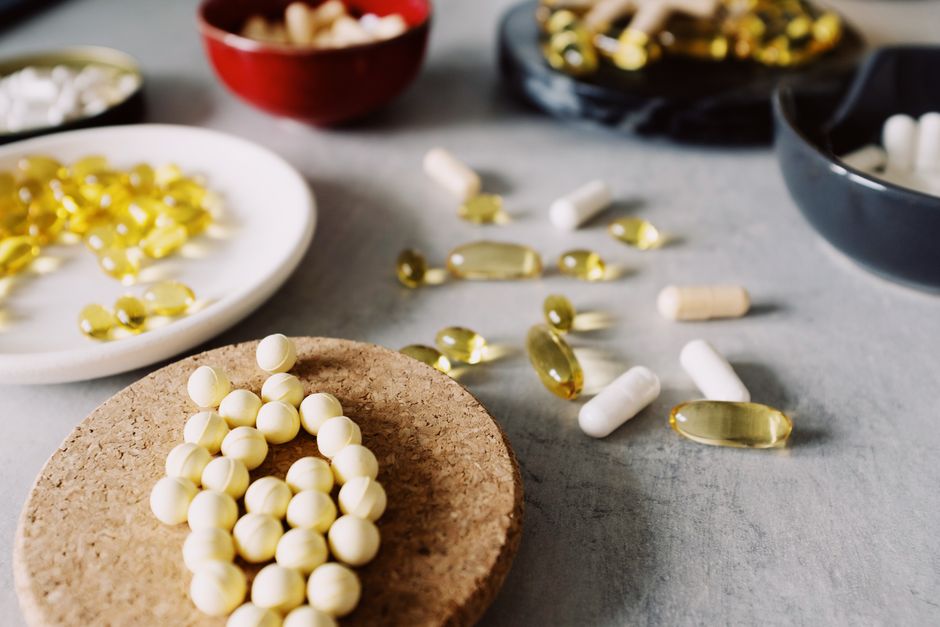
This is where marketing runs far ahead of the science. The supplement aisle is full of IBS products with little or no human trial support. A few categories have more evidence than others, and even those are modest.
Psyllium is a soluble fiber with reasonable support for constipation-predominant IBS. It is taken with plenty of water and introduced slowly to avoid worsening gas.
Peppermint oil, especially in enteric-coated capsules that release in the intestine, has some evidence for reducing abdominal pain and bloating. It can cause heartburn, and it should not be used by people with reflux or certain bile duct problems.
Probiotics are a mixed picture. Some specific strains show benefit in some trials, but results vary widely by strain and by person, and the evidence does not support a blanket recommendation. If you try one, treat it as an experiment with a defined time frame.
Soluble fiber more broadly can help constipation, while insoluble fiber can worsen bloating and pain.
What has little reliable human evidence: most “gut cleanse” products, enzyme blends marketed for IBS, and many herbal combinations sold without trials. No study has confirmed that these work for IBS as a condition. Some also carry real risks. Herbal products can interact with medications, and fiber supplements can interfere with how other drugs are absorbed.
Two cautions matter most. First, supplements are not tightly regulated the way prescription drugs are, so what is on the label is not always what is in the bottle. Second, some supplements interact with medications or are unsafe in pregnancy, breastfeeding, or with certain conditions. No clinical guidelines currently exist for using most IBS supplements in pregnancy, so this is a conversation to have with a clinician rather than a decision to make alone.
When Should You See a Doctor About IBS Symptoms?
IBS is a diagnosis of exclusion in practice, meaning other conditions are ruled out first. Certain symptoms are not typical of IBS and need medical evaluation rather than diet tweaks:
- Blood in your stool or black, tarry stools.
- Unexplained weight loss.
- Anemia or a low iron level.
- Fever, or symptoms that wake you from sleep.
- New symptoms after age 50.
- A family history of colorectal cancer, celiac disease, or inflammatory bowel disease.
These can point to conditions such as inflammatory bowel disease, celiac disease, or others that require different treatment. Getting them checked is not alarmist; it is how IBS is properly diagnosed in the first place.
For people who do have confirmed IBS, some clinicians recommend psychological approaches such as gut-directed hypnotherapy or cognitive behavioral therapy. These have reasonable evidence for symptom relief, though access varies. They are worth knowing about because they target the gut-brain axis directly, which is the core of the problem.
Frequently Asked Questions
Can IBS be cured with diet and exercise?
No, IBS is a long-term condition that is managed rather than cured. Diet, exercise, and targeted supplements can reduce symptoms meaningfully for many people, but they do not eliminate the underlying disorder.
What is the best diet for IBS?
The low-FODMAP diet has the strongest evidence, but it is meant to be done in phases with reintroduction rather than followed strictly forever. The best diet for you depends on whether your IBS is constipation-predominant, diarrhea-predominant, or mixed.
Do probiotics help IBS?
Some specific probiotic strains show benefit in some trials, but results vary widely by strain and by person. The evidence does not support recommending probiotics for IBS in general.
How much exercise helps IBS?
Moderate, regular activity such as walking or cycling appears to reduce symptom severity and improve quality of life. Consistency matters more than intensity, and there is no single amount that works for everyone.
