
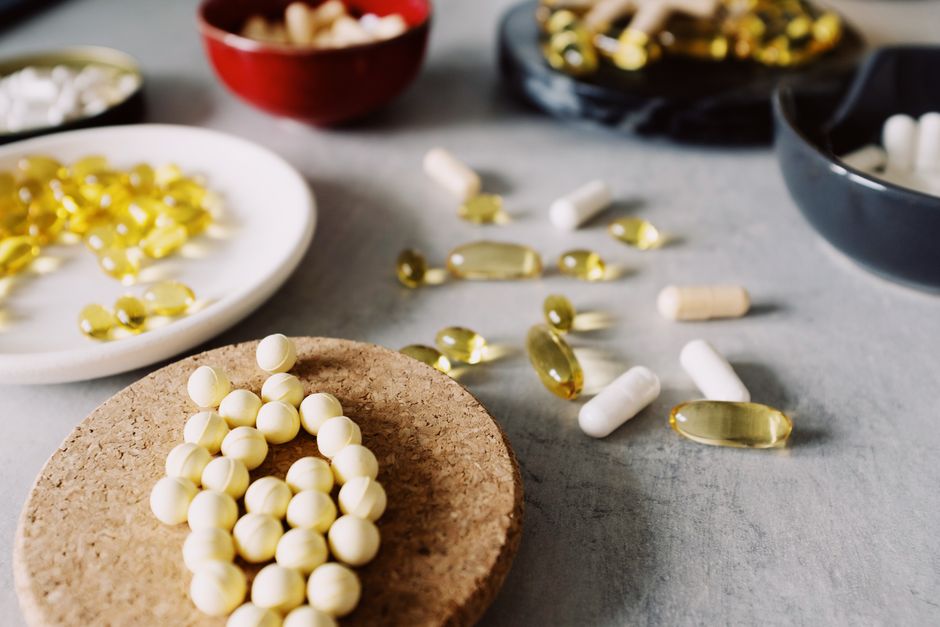
Gut health is a major topic right now, and for good reason. Your digestive tract does more than process food; it influences your immune system, mood, and energy levels. Repairing your gut starts with a diet rich in whole foods and fiber, targeted supplements for specific deficiencies, and consistent lifestyle habits like sleep and stress management. There is no single magic fix, but a combination of these approaches can genuinely improve how your digestive system functions.
What Does “Gut Repair” Actually Mean?
The phrase “gut repair” gets thrown around a lot, but it is not a medical diagnosis. In clinical terms, it usually refers to restoring the integrity of the intestinal lining and rebalancing the gut microbiome. The intestinal lining is a single layer of cells that acts as a barrier. It allows nutrients to pass into the bloodstream while keeping out harmful substances.
When this barrier is compromised, a condition often described as increased intestinal permeability, larger particles can slip through. This triggers an immune response. While the scientific community debates how much this contributes to disease, the general principle holds. A healthy gut lining and a diverse microbiome are foundational to good digestion and overall health.
How To Repair Your Gut Diet Supplements More: Where to Start
The most effective way to support gut repair is through diet. Supplements can help fill gaps, but they cannot outwork a poor diet. The goal is to eat foods that feed beneficial bacteria and reduce inflammation in the digestive tract.
Focus on a diet high in soluble and insoluble fiber. Fiber is the primary fuel source for beneficial gut bacteria. When these bacteria ferment fiber, they produce short-chain fatty acids like butyrate. Butyrate is the main energy source for the cells lining your colon. It strengthens the gut barrier and reduces inflammation. Good sources include oats, barley, legumes, apples, carrots, and leafy greens.
You should also include fermented foods. Yogurt with live cultures, kefir, sauerkraut, and kimchi introduce beneficial bacteria directly into your system. Research consistently shows that a diet rich in these foods increases microbial diversity. Diversity is a key marker of a healthy gut.
Which Foods Should You Avoid for Gut Health?
Just as some foods support gut repair, others actively work against it. Highly processed foods are the main culprit. They are often low in fiber and high in refined sugars, artificial additives, and emulsifiers. These ingredients can alter the gut microbiome composition and promote inflammation.
Excessive alcohol is also damaging. It can directly irritate the intestinal lining and disrupt the balance of bacteria. If you are serious about repairing your gut, limiting alcohol is one of the most effective steps you can take.
For some people, specific foods trigger symptoms like bloating, gas, or abdominal pain. Common triggers include gluten, dairy, and certain fermentable carbohydrates known as FODMAPs. If you suspect a food intolerance, eliminating the suspect food for a few weeks and then reintroducing it can help you identify the problem. This should be done carefully, and working with a registered dietitian is often the safest approach.


Do Probiotics and Prebiotics Actually Help?
Probiotics are live microorganisms that can confer a health benefit when consumed in adequate amounts. Prebiotics are the food for those microorganisms. Both have a role in gut health, but the evidence is nuanced.
Probiotics are not all the same. Different strains have different effects. Some strains, like certain Lactobacillus and Bifidobacterium species, have been shown to help with specific conditions like antibiotic-associated diarrhea or irritable bowel syndrome. Some research suggests they can reduce gut inflammation and improve barrier function.
However, probiotics are not a universal cure. The evidence for using them to repair a “leaky gut” in healthy people is limited. If you are taking antibiotics, a probiotic may help prevent diarrhea. If you have IBS, certain strains may reduce bloating. For general gut health, eating fermented foods is often more effective than taking a supplement because they contain a wider variety of strains and nutrients.
Prebiotics are simpler. They are essentially fiber. Supplementing with specific prebiotics like inulin or fructo-oligosaccharides can increase beneficial bacteria. But they can also cause significant gas and bloating, especially if you start with a high dose. It is usually better to get prebiotics from whole foods like garlic, onions, bananas, and asparagus.
What Supplements Support the Gut Lining?
Several supplements are commonly recommended for gut repair, but the evidence for each varies. It is important to be honest about what the research shows and what it does not.
L-Glutamine is an amino acid that serves as a primary fuel source for the cells lining the small intestine. Some studies suggest it can help maintain the gut barrier and reduce intestinal permeability in specific situations, such as during critical illness or intense exercise. The evidence for using it to treat general digestive complaints in healthy people is less clear. Doses in clinical trials typically range from 5 to 10 grams per day, but you should not start taking this without discussing it with a healthcare provider.
Zinc is a mineral that plays a critical role in maintaining the integrity of the intestinal lining. Zinc deficiency is linked to increased intestinal permeability. Supplementing zinc has been shown to be beneficial in children with diarrhea, and some evidence suggests it supports gut healing in people with inflammatory bowel disease. A typical dose is around 15 to 30 mg per day, but long-term high-dose zinc can cause copper deficiency.
Omega-3 fatty acids are known for their anti-inflammatory properties. Some evidence indicates they can help reduce inflammation in the gut and support a healthy microbiome. Fish oil supplements are a common source, but eating fatty fish like salmon and sardines a few times a week is a better foundational approach.
There is no clinical evidence that any supplement alone can “heal” the gut. These nutrients support the process, but they work best alongside a healthy diet and lifestyle.
Can Lifestyle Changes Repair Your Gut?
Diet and supplements get most of the attention, but lifestyle factors are equally important. Chronic stress has a direct negative impact on gut health. Stress alters gut motility, increases inflammation, and can change the composition of the microbiome. Managing stress through practices like meditation, deep breathing, or regular exercise is a legitimate part of gut repair.
Sleep is another critical factor. Your gut microbiome follows a circadian rhythm. Poor sleep quality is associated with less diverse gut bacteria and increased inflammation. Aiming for seven to nine hours of quality sleep per night supports the natural repair processes of your digestive system.
Exercise also plays a role. Regular physical activity increases the diversity of gut bacteria. This effect appears to be independent of diet. Even moderate exercise like brisk walking for 30 minutes a day can make a difference.
How Long Does Gut Repair Take?
There is no simple timeline for gut repair. It depends on the severity of the issue, the underlying cause, and how consistently you follow your plan. Some people notice improvements in bloating and digestion within a few days of dietary changes. Changes to the gut microbiome, however, take longer.
Research suggests that dietary changes can begin to alter the microbiome within a few days, but significant, lasting changes to bacterial diversity may take weeks or months. For people with chronic conditions like IBS or inflammatory bowel disease, the process is ongoing. There is no end point where the gut is “fixed.” It is a continuous maintenance process.
If you have been following a gut-friendly diet and lifestyle for several weeks without any improvement, it is worth speaking to a healthcare provider. Symptoms like persistent abdominal pain, unexplained weight loss, or blood in the stool require medical evaluation. These are not signs of a simple gut imbalance.
When to See a Doctor for Gut Issues
Many digestive symptoms are manageable with dietary changes. But some symptoms require professional attention. You should see a doctor if you experience persistent diarrhea or constipation, blood in your stool, unexplained weight loss, severe abdominal pain, or difficulty swallowing.
These symptoms can indicate conditions like celiac disease, inflammatory bowel disease, or other gastrointestinal disorders. A doctor can run appropriate tests to rule out serious conditions. Self-treating with supplements while ignoring these symptoms is not safe.
Frequently Asked Questions
What is the fastest way to repair your gut?
The fastest way is to eliminate processed foods and alcohol while increasing fiber-rich plant foods and fermented foods. This combination reduces inflammation and provides fuel for beneficial bacteria within a few days.
Can you repair a leaky gut?
Yes, the intestinal lining can heal itself when you remove the damaging factors and provide proper nutrition. A diet rich in fiber, adequate protein, and specific nutrients like zinc and glutamine supports this process.
Are probiotics necessary for gut health?
No, probiotics are not necessary if you eat a diverse diet rich in fiber and fermented foods. Supplements can be helpful in specific situations like after antibiotics, but they are not a substitute for a healthy diet.
Is bone broth good for gut repair?
Bone broth contains collagen, gelatin, and amino acids like glutamine and glycine that may support the gut lining. Some evidence supports these nutrients, but no large human trials have confirmed bone broth alone repairs the gut.
