
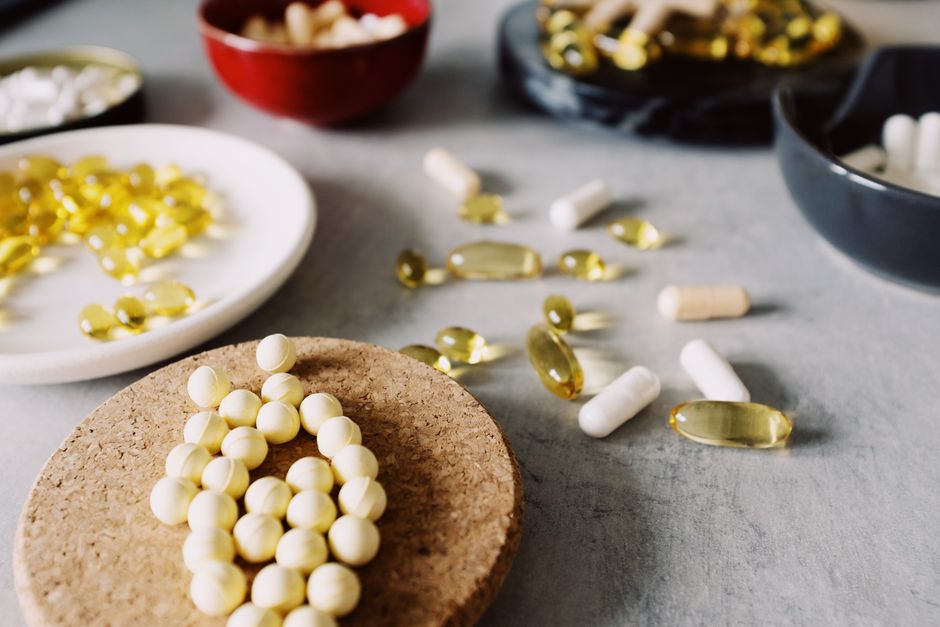
Digestive enzymes are proteins that your body makes to break down food into nutrients it can absorb. They work in your mouth, stomach, and small intestine. Without them, your body cannot properly use the food you eat. You can also get digestive enzymes from certain foods and from dietary supplements.
What Do Digestive Enzymes Actually Do?
Your pancreas produces most of your digestive enzymes. These enzymes split large food molecules into smaller pieces. Carbohydrates become simple sugars. Proteins become amino acids. Fats become fatty acids and glycerol.
This process matters because your intestines can only absorb very small molecules. A whole protein or a complex starch is too large to pass through the intestinal wall. Enzymes do the cutting work that makes absorption possible.
Each enzyme targets one specific type of food. This specificity is important. An enzyme that breaks down protein cannot break down carbohydrates. Your body makes many different enzymes to cover all the foods you eat.
What Are the Main Types of Digestive Enzymes?
Three enzyme groups handle most of your digestion. Each group contains several specific enzymes.
- Amylases break down carbohydrates and starches. Salivary amylase starts working in your mouth. Pancreatic amylase continues the job in your small intestine.
- Proteases break down proteins. Pepsin works in your stomach. Trypsin and chymotrypsin work in your small intestine. These enzymes cut protein chains at different points.
- Lipases break down fats. Gastric lipase starts in the stomach. Pancreatic lipase does most of the work in the small intestine. Bile from your liver helps lipase by emulsifying fat first.
Other enzymes handle specific sugars. Lactase breaks down lactose, the sugar in milk. Sucrase breaks down sucrose, table sugar. Maltase breaks down maltose, a sugar from starch digestion.
What Happens When You Do Not Make Enough?
When your body does not produce enough digestive enzymes, food moves through your system partially undigested. This condition is called exocrine pancreatic insufficiency, or EPI. It causes bloating, gas, diarrhea, and fatty stools.
The most common cause in adults is chronic pancreatitis. Long-term inflammation damages the pancreas cells that make enzymes. Cystic fibrosis also causes EPI because the disease thickens pancreatic secretions. Some people are born with conditions that prevent enzyme production.
Symptoms of enzyme insufficiency often overlap with other digestive problems. Bloating and gas can come from many causes. If you are losing weight without trying or your stools are greasy and foul-smelling, that points more strongly to an enzyme problem. A doctor can test your stool for fat content or measure pancreatic enzyme levels.



Which Foods Naturally Contain Digestive Enzymes?
Some foods contain enzymes that can survive your stomach acid and help with digestion. These are not replacements for your own enzymes, but they can add to your total enzyme intake.
Pineapple contains bromelain, a protease that breaks down protein. Papaya contains papain, another protein-digesting enzyme. Both have been studied for their anti-inflammatory effects as well as their digestive role.
Kiwi contains actinidin, which helps digest protein. Ginger contains zingibain, a protease that can tenderize meat. Fermented foods like sauerkraut, kimchi, and miso contain enzymes produced by the fermentation process.
Raw honey contains amylase and other enzymes. Heating honey destroys these enzymes, so only raw honey has them. Avocado contains lipase, which helps digest fats.
One important note: cooking destroys most enzymes. Heat changes their protein structure. A cooked pineapple no longer has active bromelain. Canned pineapple is heated during processing, so it does not contain active enzymes either.
Are Digestive Enzyme Supplements Effective?
Supplement use depends heavily on why you are taking them. For people with diagnosed enzyme insufficiency, prescription enzyme replacements are highly effective. These are not the same as over-the-counter supplements.
Prescription enzymes contain measured amounts of lipase, protease, and amylase. They are taken with every meal. The dose is matched to the size of the meal. These products have strong clinical evidence behind them. They help people with EPI absorb nutrients and gain weight.
Over-the-counter enzyme supplements are different. They are not regulated as drugs. Their enzyme content varies between brands and even between batches. Some products do not contain the amount of enzyme listed on the label. Some contain no measurable enzyme activity at all.
For people without diagnosed insufficiency, the evidence for enzyme supplements is mixed. Some small studies suggest they help with bloating after heavy meals. Other studies show no benefit over placebo. The placebo response in digestive complaints is strong, which complicates research in this area.
Who Might Benefit from Enzyme Supplements?
Certain groups may benefit from enzyme supplements, but the evidence varies by condition.
People with lactose intolerance often use lactase supplements. The evidence here is reasonably good. Taking lactase before consuming dairy helps many people digest lactose without symptoms. This is one of the better-supported uses of over-the-counter enzymes.
People with irritable bowel syndrome sometimes try enzyme blends. Some research suggests they may help with bloating and gas. The evidence is not strong enough to recommend them routinely. Results vary widely between individuals.
Older adults sometimes produce less stomach acid and fewer digestive enzymes. Whether supplements help is not well studied. No clinical guidelines currently recommend routine enzyme supplements for older adults without diagnosed insufficiency.
People with pancreatic cancer, gallbladder removal, or celiac disease may have digestive enzyme issues. Each condition requires different management. Anyone in these groups should discuss enzyme therapy with their doctor rather than self-treating.
What Are the Risks of Enzyme Supplements?
Digestive enzyme supplements are generally safe when taken as directed. Side effects are usually mild. Some people report nausea, stomach cramps, or diarrhea when starting them.
High doses can cause more serious problems. Very large amounts of enzymes can irritate the mouth and esophagus. This is more likely with powder forms that are held in the mouth before swallowing.
Enzymes can interact with certain medications. They may change how quickly your body absorbs other drugs you take. If you take prescription medications, talk to your pharmacist or doctor before adding enzymes.
People with allergies to pineapple or papaya should avoid enzymes derived from those fruits. Some supplements use fungal or bacterial enzymes instead, which may be safer for these individuals.
Pregnant and breastfeeding women have limited safety data for enzyme supplements. No clinical guidelines currently exist for this population. It is reasonable to rely on food sources of enzymes during pregnancy rather than supplements.
How Do You Choose a Quality Supplement?
If you decide to try an enzyme supplement, choose carefully. The market is not well regulated, so quality varies.
Look for products that list enzyme activity in units, not just milligrams. Enzyme activity units tell you how much work the enzyme can do. Milligrams only tell you how much material is in the pill, which does not predict effectiveness.
Check that the specific enzyme you need is listed. A general digestive blend may not contain enough lactase for someone with lactose intolerance. A product for fat digestion needs lipase listed with meaningful activity.
Choose reputable brands that test their products independently. Some manufacturers pay for third-party testing to verify their enzyme content matches the label. This is not required, but it is a good sign.
Start with a low dose. See how your body responds before increasing. If you notice no difference after a few weeks, the product may not be working for you. There is no point continuing a supplement that does not change your symptoms.
When Should You See a Doctor?
Digestive symptoms that persist for more than a few weeks deserve medical attention. Do not assume enzymes will fix the problem.
See a doctor if you have unintentional weight loss, blood in your stool, severe abdominal pain, or persistent diarrhea. These symptoms can indicate conditions that need treatment beyond enzyme replacement. Weight loss with fatty stools is a red flag for pancreatic insufficiency.
If you have been diagnosed with EPI or another enzyme deficiency, take your prescribed enzymes exactly as directed. Do not substitute over-the-counter products for prescription ones without discussing it with your doctor. The dosing is not equivalent.
Frequently Asked Questions
Can I take digestive enzymes every day?
Yes, taking digestive enzymes daily is generally safe for most healthy adults. However, if you do not have a diagnosed enzyme deficiency, the benefit is unclear and you should monitor whether you actually notice a difference.
Do digestive enzymes help with bloating?
Some studies suggest enzyme blends may reduce bloating after meals, particularly in people with IBS. The evidence is mixed, and results vary considerably between individuals.
What is the best natural digestive enzyme?
Pineapple contains bromelain and papaya contains papain, both of which are well-studied protein-digesting enzymes. Raw honey and fermented foods also provide natural enzymes, though cooking destroys them.
Are digestive enzyme supplements safe with other medications?
Enzymes can change how quickly your body absorbs other medications, so caution is warranted. Talk to your pharmacist or doctor before combining enzyme supplements with prescription drugs.
