
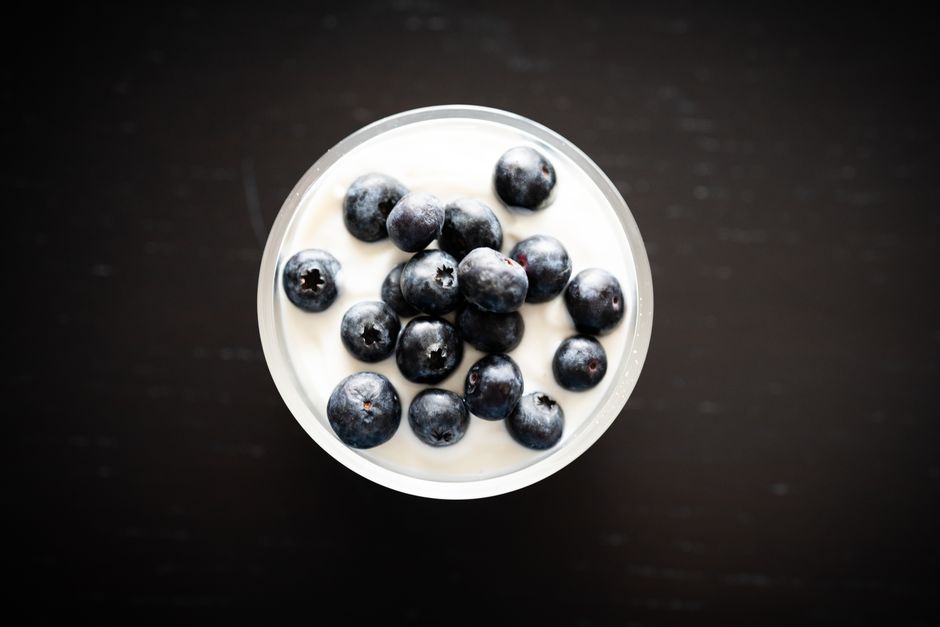
Leaky gut is a term you see everywhere online, but the science behind it is more complex than most articles suggest. The idea is that the intestinal lining becomes more permeable, allowing substances to pass into the bloodstream that normally would not. While the medical community debates how often this actually happens, the foods you eat, the probiotics you take, and certain supplements can all influence the health of your intestinal barrier. The practical approach is to focus on a diet rich in whole foods, consider specific probiotic strains with clinical evidence, and be cautious about supplements that promise more than they can deliver.
What Is Leaky Gut Syndrome Exactly?
The lining of your intestines is a single layer of cells. These cells are packed tightly together by proteins called tight junctions. Their job is to absorb nutrients while keeping out larger particles, toxins, and bacteria.
When these tight junctions loosen, the barrier becomes more permeable. This is the “leaky gut” concept. Some researchers believe this increased permeability allows bacterial fragments and undigested food particles to enter the bloodstream, triggering an immune response. This response may contribute to inflammation and symptoms in some people.
The term “leaky gut syndrome” is not a formal medical diagnosis. Many doctors are skeptical about it because the symptoms are vague and overlap with many other conditions. However, the underlying science of intestinal permeability is real and well-documented in certain diseases like celiac disease and Crohn’s disease. What is less clear is whether increased permeability causes health problems in otherwise healthy people or is simply a symptom of another issue.
Which Foods Are Best for Gut Barrier Health?
Food is the most direct tool you have for supporting your intestinal lining. The goal is to eat foods that reduce inflammation and provide the nutrients your gut cells need to repair themselves.
Fiber is the most important nutrient for gut health. Your colon bacteria ferment fiber into short-chain fatty acids, particularly butyrate. Butyrate is the primary fuel source for the cells lining your colon. Research consistently shows that a diet high in fiber supports a healthy gut barrier. Good sources include oats, barley, legumes, fruits, and vegetables.
Foods rich in polyphenols also appear protective. These plant compounds are found in berries, green tea, dark chocolate, and olive oil. Some studies suggest polyphenols can help regulate tight junction proteins. The evidence is promising but not definitive.
Here are specific foods that research links to better gut barrier function:
- Bone broth contains collagen and amino acids like glutamine. While popular, clinical evidence for bone broth specifically improving leaky gut is limited.
- Fermented foods like yogurt, kefir, sauerkraut, and kimchi introduce live bacteria to your gut. Some research links regular consumption to improved gut health markers.
- Ginger and turmeric have anti-inflammatory properties that may help soothe the gut lining. Turmeric’s active compound, curcumin, has shown benefit in some animal studies.
- Omega-3 fatty acids from fatty fish like salmon and sardines help reduce intestinal inflammation.
What you avoid matters just as much. Highly processed foods, excessive alcohol, and artificial sweeteners may increase intestinal permeability in some people. A diet high in refined sugar and low in fiber is consistently associated with worse gut health markers.
Can Probiotics Actually Help Leaky Gut?
Probiotics are live microorganisms that may provide health benefits when consumed in adequate amounts. The question is whether they can specifically repair a leaky gut.
Some evidence suggests certain strains can help. Lactobacillus rhamnosus GG and Saccharomyces boulardii have been studied for their ability to support the gut barrier. Some research indicates these strains can strengthen tight junctions and reduce inflammation. However, most of this research has been done in animals or in specific patient groups, not in healthy people with self-diagnosed leaky gut.
The strain matters enormously. A probiotic that works for one person may do nothing for another. The gut microbiome is highly individual, and the same strain can have different effects in different people.
If you want to try probiotics, look for products that list specific strains with research behind them. General “gut health” blends with many strains may not have the same evidence. Also consider that fermented foods provide a broader range of beneficial bacteria than most supplements. Some research suggests food-based probiotics are more effective because the bacteria survive digestion better when delivered in a food matrix.
It is important to be honest about the limits here. No large human trial has confirmed that probiotics alone can cure or reverse increased intestinal permeability in healthy people. The evidence is suggestive but not conclusive.


How To Help Leaky Gut Foods Probiotics Supplements Work Together?
No single food, probiotic, or supplement is a magic bullet. The science points to a combined approach where each element supports the others.
Food provides the building blocks. Fiber feeds your gut bacteria, which produce butyrate to fuel your intestinal cells. Polyphenols help regulate tight junctions. Omega-3s reduce inflammation at the cellular level.
Probiotics introduce beneficial bacteria that can crowd out harmful species and produce compounds that support the barrier. Some strains also directly interact with the cells lining your gut.
Supplements can fill gaps but should not replace food. The most studied supplements for gut barrier support include L-glutamine, zinc, and vitamin D. L-glutamine is an amino acid that serves as fuel for intestinal cells. Some studies suggest it may help maintain barrier function, particularly in stressed or injured guts. Zinc is essential for cell repair and immune function. Vitamin D deficiency is linked to increased intestinal permeability.
The practical sequence is simple. Eat a diet rich in whole foods and fiber first. Add fermented foods or a targeted probiotic if you tolerate them. Consider supplements only for specific deficiencies or under the guidance of a clinician.
Which Supplements Have Real Evidence?
Be skeptical of any supplement that claims to “cure” leaky gut. No clinical guidelines exist for treating leaky gut syndrome because it is not a recognized medical diagnosis. However, certain supplements have evidence for supporting gut barrier function in specific contexts.
L-glutamine is the most studied supplement for intestinal barrier health. Research in hospital settings shows it helps maintain gut integrity in critically ill patients. Whether it helps healthy people with mild permeability issues is less clear. Typical doses used in studies range from 5 to 10 grams daily, but you should not take that much without medical supervision.
Zinc plays a role in maintaining tight junctions. Zinc deficiency is associated with increased gut permeability. If you are deficient, correcting that deficiency may help. Most adults need about 8 to 11 milligrams daily, which most diets provide.
Vitamin D receptors are present throughout the intestinal tract. Some research links low vitamin D levels to gut barrier dysfunction. Maintaining adequate levels through sunlight or supplements appears sensible, though the direct effect on leaky gut is not fully established.
Curcumin from turmeric has anti-inflammatory properties. Some animal studies show it protects the gut barrier, but human data is limited. If you try it, look for a product with piperine to improve absorption.
Collagen supplements are popular for gut health, but no high-quality human studies confirm they improve intestinal permeability. The collagen in bone broth and supplements is broken down into amino acids during digestion. It is not clear whether these amino acids reach the gut lining in therapeutic amounts.
What Should You Avoid If You Suspect Leaky Gut?
Certain substances are known to increase intestinal permeability in some people. Reducing these may be as important as adding beneficial foods.
Nonsteroidal anti-inflammatory drugs like ibuprofen and naproxen can damage the intestinal lining when used frequently. If you take these daily for pain, talk to your doctor about alternatives.
Alcohol in excess is directly toxic to the gut lining. Even moderate drinking may increase permeability in some people. The effect varies by individual and by the type of alcohol consumed.
Artificial sweeteners are a topic of ongoing research. Some animal studies suggest they alter gut bacteria and increase permeability. Human evidence is mixed, but reducing intake is reasonable if you are concerned.
Highly processed foods with emulsifiers may also disrupt the mucus layer that protects the gut lining. Some research in mice shows emulsifiers like carboxymethylcellulose and polysorbate-80 can affect gut bacteria. Whether this translates to humans is not fully confirmed.
Stress is often overlooked. Chronic stress activates pathways that can increase intestinal permeability. Managing stress through sleep, exercise, and relaxation techniques may support gut health indirectly.
When Should You See a Doctor?
If you have persistent digestive symptoms like bloating, abdominal pain, diarrhea, or constipation, see a doctor before self-treating. These symptoms can indicate conditions like irritable bowel syndrome, inflammatory bowel disease, celiac disease, or food intolerances. All of these require proper diagnosis.
Blood tests for intestinal permeability exist, but they are not widely accepted as clinically useful. The lactulose-mannitol test is used in research settings but is rarely ordered in clinical practice. Most doctors will evaluate your symptoms and rule out more established conditions first.
If a doctor diagnoses increased intestinal permeability related to a specific condition like celiac disease, the treatment is clear. Eliminating gluten allows the gut lining to heal. For other situations, the approach is more general. Eat well, manage stress, limit alcohol, and consider targeted supplements after discussing them with your healthcare provider.
Frequently Asked Questions
How long does it take to heal a leaky gut?
There is no standard timeline because leaky gut is not a formal diagnosis. With dietary changes, some people report improvement in weeks, while others need months, depending on the underlying cause.
Can probiotics make leaky gut worse?
Some people experience temporary bloating or digestive changes when starting probiotics. If symptoms persist, the specific strain may not be right for you, and stopping is reasonable.
Is bone broth good for leaky gut?
Bone broth provides amino acids and collagen, but no high-quality human studies confirm it heals the gut lining. It is nutritious and generally safe, but it should not replace a fiber-rich diet.
What is the best probiotic for leaky gut?
Lactobacillus rhamnosus GG and Saccharomyces boulardii have the most research for supporting gut barrier function. However, no single strain works for everyone, and fermented foods are a reasonable alternative.
