
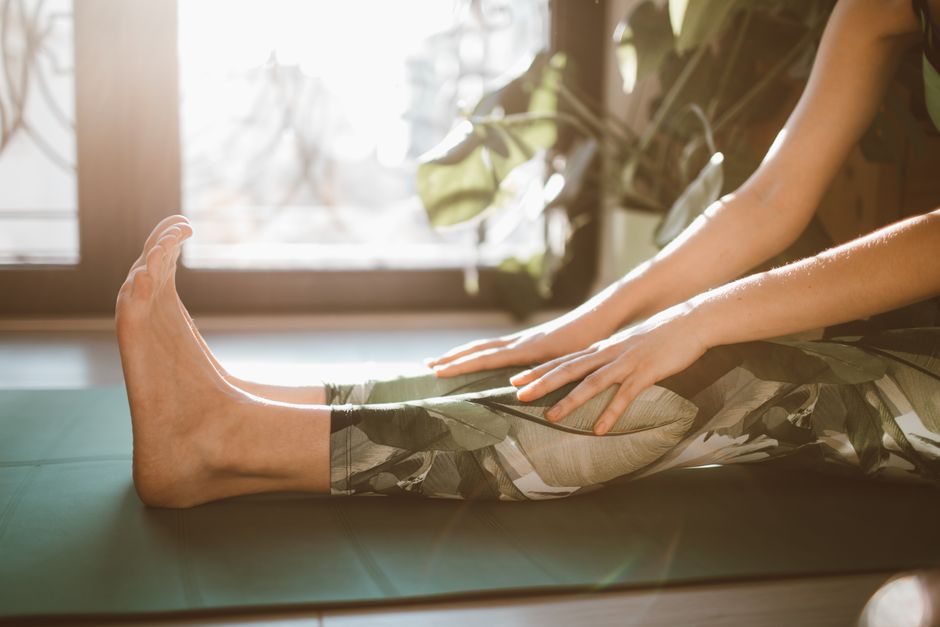
Aching legs are a common complaint, and the cause often determines the best fix. For simple muscle soreness, fatigue, or the heavy feeling you get after a long day on your feet, a combination of gentle stretching, heat, and movement usually brings real relief. For pain from poor circulation or nerve issues, the approach shifts to elevation and specific exercises. This guide breaks down what works for the most common causes, what the evidence actually shows, and when you need to stop self-treating and see a doctor.
Why Do My Legs Ache in the First Place?
The most common reason for aching legs is simple muscle fatigue. When muscles work hard or stay in one position too long, waste products build up and blood flow slows down. That creates that dull, heavy, achy feeling.
Another frequent cause is poor circulation, specifically in the veins. Veins have one-way valves that push blood back up to the heart. When those valves weaken, blood pools in the lower legs. This is called chronic venous insufficiency. It causes a heavy, tired, aching sensation that gets worse as the day goes on and improves when you lie down and elevate your legs.
Nerve-related pain feels different. It is often sharp, burning, or electric. Sciatica, which is irritation of the sciatic nerve, can cause pain that travels from the lower back down the back of the leg. This type of pain does not respond to heat or stretching the same way muscle soreness does.
How To Help Aching Legs Stretches Heat And More
For the most common type of leg ache — muscle soreness and fatigue — the first line of defense is simple and effective. Gentle stretching helps relax tight muscles and encourages blood flow. Heat helps relax muscle tissue and increases circulation to the area.
Start with a basic calf stretch. Stand facing a wall, place your hands on it, and step one foot back. Keep the back heel flat on the floor and bend the front knee. Hold for 20 to 30 seconds. Repeat on the other side.
For the hamstrings, lie on your back and pull one knee toward your chest. Keep the other leg flat on the floor. Hold for 20 to 30 seconds. This targets the back of the thigh and helps with that general “tight leg” feeling.
Heat is best applied for 15 to 20 minutes at a time. A heating pad, warm towel, or warm bath all work. The warmth relaxes muscle fibers and increases blood flow, which helps clear out the metabolic waste products that contribute to soreness.
Cold Therapy: When To Use It Instead
Heat is not always the answer. If your legs ache because of a fresh injury, a flare-up of inflammation, or after an intense workout that left you feeling swollen, cold is the better choice.
Cold therapy constricts blood vessels and reduces inflammation. It numbs the area and slows down nerve signals, which helps with pain. Apply an ice pack wrapped in a thin towel for 15 minutes at a time. Never apply ice directly to the skin, and never leave it on longer than 20 minutes.
Some research suggests alternating heat and cold can help with recovery after exercise. The evidence is not strong enough to say one method is clearly superior. What matters most is what feels better for your specific situation. If heat feels good, use heat. If cold feels better, use cold.




Elevation and Movement for Circulation-Related Aching
If your legs ache because of poor circulation, stretching and heat will only help so much. The most effective intervention is elevation. Lying down with your legs raised above the level of your heart allows gravity to help drain pooled blood back toward your core. Even 15 to 20 minutes of elevation can noticeably reduce that heavy, achy feeling.
Movement is also critical. The calf muscles act as a secondary pump for your veins. When you walk, your calf muscles contract and squeeze the veins, pushing blood upward. This is why sitting or standing still for long periods makes circulation-related leg pain worse.
Simple ankle pumps work well. While sitting, point your toes down and then pull them up toward your knees. Repeat this 10 to 15 times. Do this every hour or so if you have a desk job or a long flight. This keeps the calf pump active even when you cannot walk around.
When Stretching Makes It Worse: Nerve Pain
Nerve pain behaves differently from muscle pain. If your aching leg is accompanied by numbness, tingling, or a shooting pain that radiates from your lower back, stretching may not help and could make things worse.
Sciatica is a common cause of nerve-related leg pain. It happens when the sciatic nerve is compressed or irritated. The pain often follows a specific path: from the lower back, through the buttock, and down the back of the leg. Some people describe it as a deep ache, others as a sharp electric shock.
For suspected nerve pain, the approach changes. Gentle nerve gliding exercises, sometimes called nerve flossing, may help. These are specific movements that mobilize the nerve without putting it under tension. A physical therapist can teach you these properly.
If you have nerve pain, avoid aggressive stretching. Stretching a compressed nerve can increase irritation. Heat may still provide temporary relief, but it will not fix the underlying compression. If nerve pain persists for more than a week or is accompanied by weakness in the leg or foot, see a doctor.
Lifestyle Factors That Make Leg Aches Worse
Several everyday habits contribute to aching legs. Dehydration is a significant one. Muscles that are low on fluids are more prone to cramping and soreness. Staying hydrated throughout the day is a simple preventive measure.
Lack of potassium and magnesium can also contribute to muscle cramps and aches. Bananas, potatoes, leafy greens, and nuts are good dietary sources. Some research suggests magnesium supplements may help with nighttime leg cramps, but the evidence is mixed. If you are considering a supplement, talk to your doctor first.
Footwear matters more than most people realize. Shoes with poor arch support or hard soles force your leg muscles to work harder to stabilize your body. Over time, this leads to fatigue and aching. Supportive shoes with good cushioning can make a noticeable difference for people who spend a lot of time standing or walking.
Red Flags: When To See a Doctor
Most leg aches are harmless and resolve with rest, stretching, and heat. But some leg pain signals a serious problem that requires medical attention.
Deep vein thrombosis (DVT) is a blood clot in a deep vein, usually in the calf or thigh. It causes swelling, pain, warmth, and redness in one leg. The pain is often described as a cramp or charley horse that does not go away. DVT is a medical emergency because the clot can break loose and travel to the lungs.
Peripheral artery disease (PAD) causes leg pain that comes on with walking and goes away with rest. This is called claudication. It happens when arteries in the legs are narrowed by plaque, reducing blood flow to the muscles. PAD is a sign of widespread atherosclerosis and increases your risk of heart attack and stroke.
Seek immediate medical care if you have leg pain that is accompanied by swelling in one leg only, chest pain, shortness of breath, or skin that looks pale, blue, or cold. Also see a doctor if the pain is severe, follows an injury, or does not improve after a few days of home treatment.
Frequently Asked Questions
Is heat or ice better for aching legs?
Heat is better for chronic muscle soreness and fatigue because it relaxes tissue and boosts blood flow. Ice is better for fresh injuries, swelling, or inflammation after intense exercise.
What is the fastest way to relieve leg aches?
Elevating your legs above heart level for 15 to 20 minutes is the fastest relief for circulation-related aching. For muscle soreness, a warm bath or heating pad combined with gentle stretching works quickly.
Can stretching make leg pain worse?
Yes, if the pain comes from a compressed nerve like sciatica, aggressive stretching can increase irritation. If stretching causes sharp or shooting pain, stop and see a doctor.
When should I worry about leg pain?
Worry if you have swelling in only one leg, the leg feels warm or looks red, or the pain comes with chest pain or shortness of breath. These can be signs of a blood clot and require immediate medical attention.
