
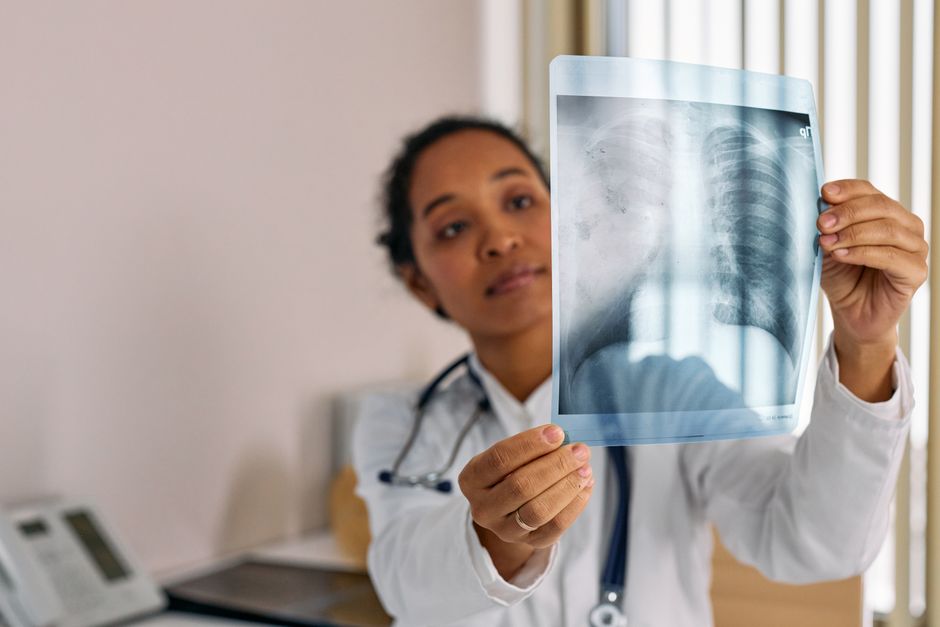
Pneumonia can improve slowly, and it can also turn serious quickly. The clearest signs that your pneumonia is getting worse include new or worsening shortness of breath, chest pain that makes it hard to breathe, coughing up blood, a fever that returns after going away, and confusion or drowsiness. If you notice any of these, contact a doctor immediately. Do not wait to see if it passes. These symptoms can signal that the infection is spreading or that your lungs are struggling to do their job.
What Does Worsening Pneumonia Feel Like?
Pneumonia is an infection in the air sacs of your lungs. When those sacs fill with fluid or pus, oxygen has a harder time reaching your bloodstream. That is why breathing becomes harder as the infection spreads.
Worsening pneumonia usually does not feel like one sudden event. It often builds over hours or a day. You might notice that tasks that were easy yesterday now leave you winded. Walking from the bedroom to the bathroom should not leave you gasping for air. If it does, that is a warning sign.
Pay attention to your breathing rate. A normal resting breathing rate for an adult is 12 to 20 breaths per minute. If you are breathing faster than that while sitting still, your body is working harder than it should. Some people also notice that their lips or fingernails look bluish. That blue tint means oxygen levels in the blood are dropping. This is an emergency situation.
How To Tell If Your Pneumonia Is Getting Worse: Key Warning Signs
The most reliable warning signs fall into a few clear categories. If you have any of these, seek medical care right away.
- Shortness of breath at rest. Being out of breath while sitting still or lying down is never normal.
- Chest pain with breathing. Sharp pain when you take a deep breath can mean the inflammation is spreading to the lining of your lungs.
- Coughing up blood. Even a small amount of blood in your phlegm needs medical evaluation.
- Fever that returns. If your fever broke and then comes back, the infection may be worsening or a new infection may be developing.
- Confusion or extreme drowsiness. In older adults especially, confusion can be a sign of low oxygen or sepsis. Do not dismiss it as just fatigue.
- Bluish lips or fingertips. This indicates your blood oxygen is dangerously low.
If you have any one of these symptoms, do not wait until morning. Call your doctor, go to urgent care, or go to the emergency room. Pneumonia can progress to respiratory failure or sepsis if left untreated.
What Does a Normal Recovery Look Like?
Knowing what normal recovery looks like helps you recognize when something is off. Pneumonia does not resolve overnight. It takes time, and some symptoms linger for weeks.
In the first few days of treatment, you may still have a fever. That is expected. Antibiotics take 48 to 72 hours to start working against a bacterial infection. Your cough may also get worse before it gets better. Coughing is how your body clears fluid and debris from the lungs.
After the first week, most people notice gradual improvement. The fever should be gone. Breathing should feel easier. Fatigue is normal for several weeks, and a dry cough can last for a month or more. This is not a sign of worsening pneumonia. It is part of healing.
What is not normal is improvement followed by a sudden decline. If you felt better for a few days and then spiked a fever again or started coughing more, call your doctor. This pattern can indicate that the original infection is not fully cleared or that a secondary infection has taken hold.





How Is Worsening Pneumonia Diagnosed?
Doctors use several tools to determine if pneumonia is getting worse. The first is a physical exam. Your doctor will listen to your lungs with a stethoscope. Crackling sounds or decreased breath sounds in one area can signal worsening infection or fluid buildup.
They will likely check your oxygen saturation with a pulse oximeter. This small device clips onto your finger and measures the percentage of oxygen in your blood. A normal reading is 95 to 100 percent. Readings below 92 percent are concerning. Readings below 90 percent require immediate medical attention.
A chest X-ray can show how much of the lung is affected. If the infection has spread to more areas of the lung, the X-ray will show it. Blood tests can reveal markers of infection and inflammation. Doctors may also check for signs of dehydration or kidney stress, which can happen when the body is fighting a serious infection.
If you have a pulse oximeter at home, you can monitor your oxygen levels between doctor visits. Keep in mind that a pulse oximeter is not a substitute for medical care. It is a tool to help you notice trends. If your readings drop from 97 to 94 over a day, that is a reason to call your doctor.
When Should You Go to the Emergency Room?
Some situations require emergency care, not just a call to your doctor. Go to the emergency room if you have any of the following:
- Severe trouble breathing or breathing that is getting rapidly worse
- Chest pain that does not go away
- Coughing up blood in significant amounts
- Lips or face turning blue
- Confusion or disorientation
- Feeling like you might pass out
These symptoms can indicate respiratory failure, sepsis, or a lung abscess. These are life-threatening conditions that require hospital treatment. In the hospital, you may receive intravenous antibiotics, oxygen therapy, or breathing treatments. In severe cases, you may need a ventilator to support your breathing while the infection clears.
Older adults and people with chronic conditions like heart disease, diabetes, or COPD are at higher risk for severe pneumonia. If you fall into one of these groups, do not hesitate to seek care. The threshold for going to the emergency room should be lower, not higher.
Why Does Pneumonia Sometimes Get Worse Despite Treatment?
Several factors can cause pneumonia to worsen even when you are taking the right medication. The most common reason is that the bacteria causing the infection is resistant to the antibiotic you were prescribed. This is why doctors sometimes need to switch medications based on culture results.
Another reason is that the infection was caused by a virus, not bacteria. Antibiotics do not work against viral pneumonia. Most viral pneumonia resolves on its own, but some cases, like those caused by influenza, can still become severe. Antiviral medications may help if started early enough.
Sometimes the infection spreads beyond the lungs. This is called sepsis. Sepsis is a serious condition where the body’s immune response damages its own tissues and organs. It requires immediate hospital care and intravenous antibiotics.
Finally, some people develop complications of pneumonia. These include a lung abscess, which is a pocket of pus in the lung, or pleural effusion, which is fluid buildup around the lung. Both require additional treatment, often including drainage procedures.
What Should You Do If You Suspect Your Pneumonia Is Getting Worse?
If you suspect your pneumonia is getting worse, act quickly. Call your doctor’s office and describe your symptoms clearly. Tell them what medications you are taking and how long you have been on them. Ask if they want to see you today or if you should go to urgent care or the emergency room.
Do not try to wait it out at home. Do not increase your antibiotic dose on your own. Do not take over-the-counter cough suppressants to hide a concerning cough. These actions can delay treatment and make the situation more dangerous.
If your doctor is not available, go to urgent care or the emergency room. It is better to be evaluated and sent home than to wait too long and need more intensive treatment. Pneumonia is a serious infection. Treating it aggressively early gives you the best chance of a full recovery.
While you wait for medical care, rest. Do not push yourself to be active. Drink fluids if you can. If your breathing is difficult, sit upright rather than lying flat. This position can make it slightly easier to breathe.
Frequently Asked Questions
Can pneumonia get worse while taking antibiotics?
Yes, pneumonia can worsen even on antibiotics, especially in the first 48 to 72 hours of treatment. If you are getting worse after taking antibiotics for more than two days, contact your doctor.
How quickly can pneumonia become dangerous?
Pneumonia can become dangerous within hours in severe cases, particularly in older adults or people with chronic health conditions. Rapid breathing, confusion, or bluish lips require immediate emergency care.
Is a worsening cough a sign that pneumonia is getting worse?
Not necessarily. A cough can worsen before it improves as your body clears fluid from the lungs. But a cough accompanied by new chest pain, blood, or shortness of breath is a reason to seek care.
What oxygen level is dangerous with pneumonia?
An oxygen saturation reading below 92 percent is concerning and requires prompt medical evaluation. Readings below 90 percent are considered an emergency and require immediate hospital care.
