
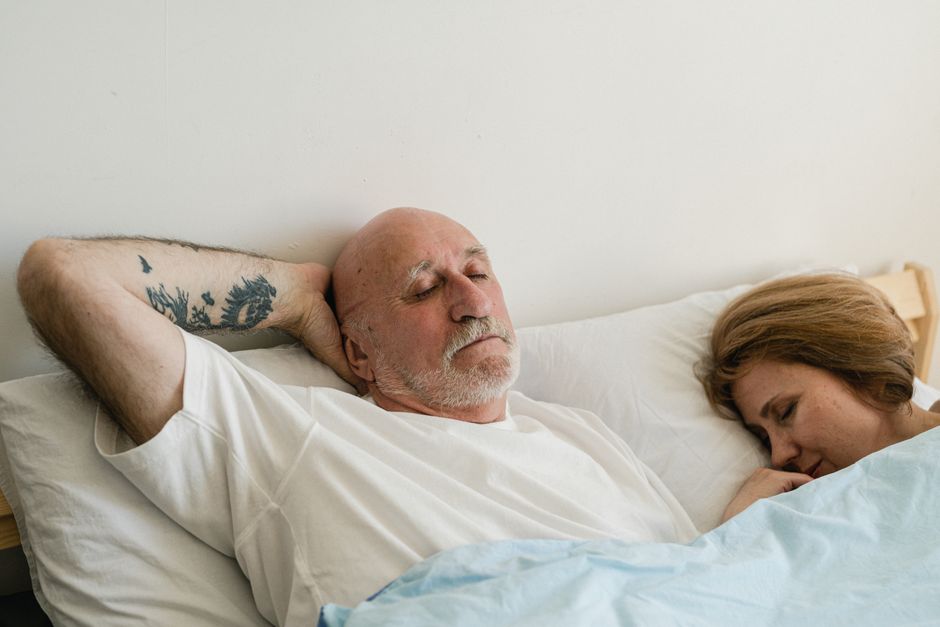
Sleep is not a switch you flip. It is a biological process your body has to be set up for, and a handful of daily habits do most of that setup. The core approach is simple: keep a consistent wake time, get bright light early in the day and dim light in the evening, cut caffeine after midday, keep your bedroom cool and dark, and use your bed mainly for sleep. None of that is exotic. It is also the part most people skip.
Below is what the research actually supports, what is overstated, and where the honest answer is that we still do not know.
How To Have A Good Nights Sleep Naturally: The Basics That Actually Work
Two systems control your sleep. The first is your circadian rhythm, an internal clock that runs on roughly a 24-hour cycle and is set mainly by light exposure. The second is sleep pressure, a drive that builds the longer you stay awake, driven in part by a substance called adenosine that accumulates in the brain.
Good sleep happens when those two systems line up. You feel sleepy at night because adenosine has built up all day, and you stay asleep because your circadian clock is signaling nighttime. Jet lag and shift work feel awful for exactly this reason: the two systems fall out of sync.
That is why the habits below are not random tips. Each one either strengthens your body clock or lets sleep pressure build properly.
Keep a consistent wake time
Your wake time anchors your body clock more than your bedtime does. Waking at the same time every day, including weekends, keeps your circadian rhythm stable. Sleeping in for hours on Saturday can produce a mild version of jet lag by Monday.
Get light early, dim it late
Morning light tells your brain it is daytime. Even 15 to 30 minutes of outdoor light shortly after waking helps set the clock. Indoor lighting is far dimmer than daylight, so stepping outside matters more than turning on a lamp.
In the evening, the reverse applies. Bright light, especially blue-rich light from screens and overhead fixtures, can delay melatonin release and push your sleep timing later.
Let sleep pressure build
Naps and late caffeine both reduce sleep pressure. A long evening nap or a 4 p.m. coffee can leave you lying awake at midnight even though you are genuinely tired. If you nap, keep it short and early.
Why Does Caffeine Keep You Awake So Long?
Caffeine works by blocking adenosine, the molecule that builds sleep pressure. It does not create energy. It hides the signal that you are tired.
The problem is how long it stays in your system. Caffeine has a half-life of roughly 5 hours in most adults, meaning half of it is still circulating 5 hours after you drink it. For many people, a cup at 3 p.m. leaves a meaningful amount in the bloodstream at 10 p.m.
Half-life varies a lot between people. Genetics, liver function, pregnancy, and certain medications can slow caffeine clearance considerably. Smoking speeds it up. This is why one person sleeps fine after an evening espresso and another does not.
Alcohol is the other common trap. It can make you fall asleep faster, but it disrupts sleep later in the night, particularly REM sleep, and tends to cause early waking. A nightcap is not a sleep aid.
What Should Your Sleep Environment Look Like?
Your bedroom should signal sleep. The evidence for a cool, dark, quiet room is solid, even if the exact ideal temperature varies by person.
- Temperature: Most people sleep best in a cool room. Core body temperature naturally drops at night, and a warm room works against that.
- Darkness: Light reaching your eyes can suppress melatonin. Blackout curtains or an eye mask help if your room is bright.
- Quiet: Sudden noise fragments sleep even when you do not fully wake. Steady background sound, like a fan, masks spikes.
- Bed for sleep: Using your bed for work, scrolling, or watching TV weakens the mental link between bed and sleep.
If you cannot fall asleep after roughly 20 minutes, get up and do something calm in dim light. Lying there frustrated trains your brain to associate the bed with being awake.


Does Diet Affect Sleep?
Diet plays a supporting role, not a starring one. No single food reliably puts you to sleep, and claims that a specific fruit or supplement is a natural sleep remedy are usually ahead of the evidence.
What is reasonably supported:
- Heavy meals close to bedtime can cause reflux and discomfort that disrupt sleep.
- Going to bed very hungry can also interfere with sleep, so a light snack is fine for some people.
- Alcohol near bedtime disrupts sleep architecture even when it speeds sleep onset.
- Overall diet quality is associated with sleep quality in observational studies, though cause and effect are hard to separate.
One clarification worth making: the often-repeated idea that turkey, warm milk, or bananas “make you sleepy” because of tryptophan is overstated. These foods contain tryptophan, but the amounts and the way it is absorbed do not reliably produce a sleep effect on their own.
Do Melatonin and Other Supplements Help?
Melatonin is a hormone your body makes to signal nighttime. As a supplement, the evidence is strongest for shifting sleep timing, such as jet lag or delayed sleep phase, rather than for general insomnia.
Doses sold in the US are often far higher than what research uses, and because melatonin is sold as a supplement rather than a drug, content on the label is not always what is in the bottle. If you are considering it, particularly for a child or during pregnancy, talk to a clinician first. No clinical guidelines support routine melatonin use in pregnancy or breastfeeding.
Other popular supplements, including valerian, magnesium, and various herbal blends, have mixed or limited evidence. Some studies suggest modest benefits for certain products; many show no clear effect. Magnesium is sometimes recommended, but the evidence for improving sleep in people who are not deficient is weak.
The honest position: supplements are not a substitute for the behavioral basics, and the strongest evidence for improving sleep naturally sits with those basics.
When Should You Talk to a Doctor?
Occasional poor sleep is normal. Persistent problems are worth a medical conversation, because some causes are treatable and some are not lifestyle issues at all.
Talk to a clinician if you:
- Snore heavily, gasp, or stop breathing during sleep, which can point to sleep apnea
- Feel extremely sleepy during the day despite enough time in bed
- Have trouble falling asleep or staying asleep for weeks or longer
- Notice your legs feel uncomfortable at night and move on their own
- Have sleep problems alongside low mood, anxiety, or another health condition
Sleep apnea in particular is underdiagnosed and is not something behavioral changes will fix. It needs proper evaluation.
Cognitive behavioral therapy for insomnia, known as CBT-I, is the first-line treatment for chronic insomnia in clinical guidelines and outperforms sleep medication over the long term. If you have struggled for months, that is the treatment with the best evidence, and it is worth asking about by name.
How Long Does It Take to Sleep Better?
Some changes help within days. Light timing and caffeine reduction can shift how you feel fairly quickly. Rebuilding a stable sleep pattern usually takes a few weeks of consistency, and the improvement is often gradual rather than sudden.
This is where most people quit. One bad night does not mean the approach failed. The body clock responds to patterns, not single days. Give any change a couple of weeks before judging it.
Frequently Asked Questions
What is the fastest natural way to fall asleep?
Getting up after about 20 minutes of lying awake and returning when you feel sleepy works better than staying in bed. This reduces the frustration that trains your brain to associate bed with being awake.
Does melatonin actually work for sleep?
The evidence is strongest for shifting sleep timing, such as jet lag, rather than for general insomnia. Doses sold in stores are often higher than those used in research.
Is it bad to sleep in on weekends?
Sleeping in occasionally is not harmful, but large weekend shifts can throw off your body clock. Keeping your wake time within about an hour of your weekday schedule helps most people.
Can I fix my sleep without medication?
Yes, for many people the behavioral basics and CBT-I are the most effective approaches. If you have ongoing symptoms like snoring or gasping, see a doctor, because those need medical evaluation.
