
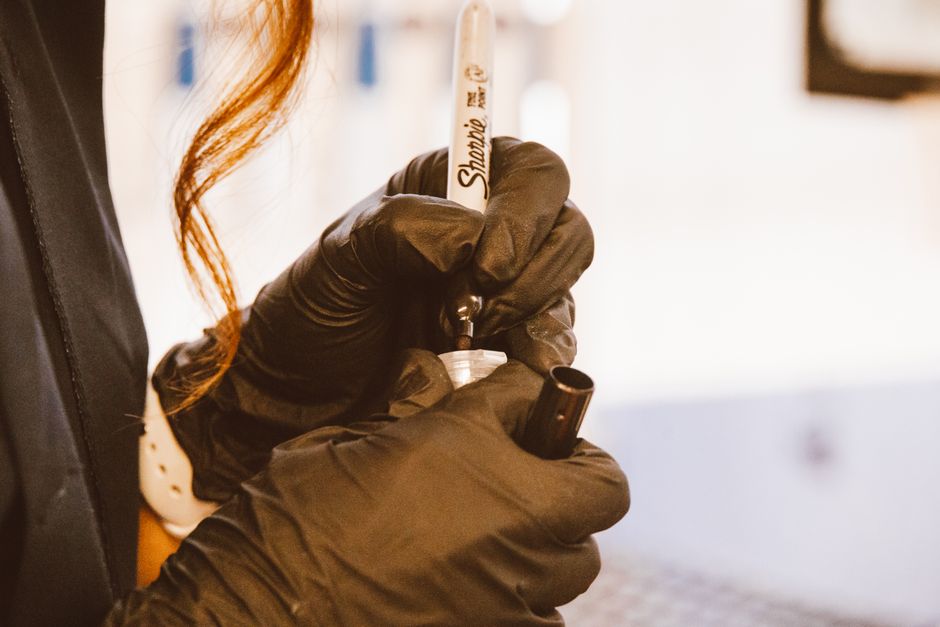
Sharpie ink on clothing is a problem most people face at some point. The good news is that permanent marker is not always permanent on fabric. The key is acting quickly and using the right solvent for the type of ink and fabric you are dealing with. For most fresh marks, rubbing alcohol will break down the ink before it sets into the fibers. For older, dried stains, you will need a different approach and more patience. Here is exactly what you need to do to get Sharpie out of clothing without ruining the garment.
Why Does Sharpie Ink Stick to Fabric?
Sharpie markers use a solvent-based ink. This ink contains a dye, a resin, and a solvent carrier. When you write on paper, the solvent evaporates, and the resin binds the dye to the surface. On fabric, the same thing happens, but the liquid ink soaks deep into the cotton or polyester fibers before it dries.
Once the solvent evaporates, you are left with a colored resin that is physically stuck to the fibers. Water will not remove it because the resin is not water-soluble. This is why washing a Sharpie stain with soap and water alone rarely works. You need a solvent that can dissolve the resin itself.
Understanding this mechanism matters because it explains why the choice of solvent is the most important decision you will make. Alcohol, hairspray, and hand sanitizer all work because they contain chemicals that break down the resin. Water does not contain these chemicals.
What Is the Best Way To Get Sharpie Out of Clothing?
Rubbing alcohol is the most reliable and widely available solvent for removing Sharpie ink from fabric. Isopropyl alcohol, typically sold as 70% or 91% concentration, dissolves the resin that holds the dye to the fibers. The higher the alcohol concentration, the faster it generally works.
Here is the process to follow for fresh or dried stains:
- Place a clean white cloth or paper towel underneath the stained area. This prevents the ink from transferring to the other side of the garment.
- Dampen a cotton ball or clean cloth with rubbing alcohol. Do not soak the fabric. You want the alcohol to penetrate the stain without spreading it.
- Blot the stain gently. Do not rub. Rubbing can push the ink deeper into the fibers and spread it outward.
- As the ink transfers to the cloth underneath, move the cloth to a clean section. Keep blotting until no more ink lifts.
- Rinse the area with cold water to remove the alcohol and any remaining dye.
- Wash the garment normally with laundry detergent.
For dried stains, let the alcohol sit on the mark for a few minutes before blotting. This gives the solvent time to soften the hardened resin. You may need to repeat the process several times for older stains.
Avoid using a hair dryer or hot water before the stain is gone. Heat can set the ink permanently into the fibers, making it nearly impossible to remove.
Does Hairspray or Hand Sanitizer Work on Sharpie Stains?
Hairspray and hand sanitizer are common household alternatives to rubbing alcohol. They work for the same reason: they contain alcohol. Hairspray typically contains ethanol or isopropyl alcohol as a solvent. Hand sanitizer is usually made with ethyl alcohol.
These alternatives can be effective on fresh stains. However, they are less reliable than straight rubbing alcohol. Hairspray contains other ingredients like oils and polymers that can leave a residue on fabric. Hand sanitizer contains gels and moisturizers that can make the stain worse if not rinsed thoroughly.
If you have rubbing alcohol at home, use that first. If you only have hand sanitizer, apply a small amount directly to the stain and blot gently. Rinse with cold water immediately after the ink lifts. Do not let the sanitizer dry on the fabric.
Some people recommend using aerosol hairspray because the spray force helps lift the ink. There is no strong evidence that the spray action matters. The alcohol content is what does the work. A cheap, high-alcohol hairspray will work better than an expensive one with added conditioners.




Can You Remove Sharpie From All Types of Fabric?
Fabric type makes a big difference in how well Sharpie removal works. Natural fibers like cotton and linen are more absorbent. The ink soaks deep into the fibers, which makes the stain harder to remove. Synthetic fibers like polyester and nylon are less absorbent. The ink tends to sit closer to the surface, which makes removal easier.
Delicate fabrics like silk and wool require extra caution. Alcohol can damage these fibers or cause color loss. If you are dealing with a delicate fabric, test the alcohol on an inconspicuous area first. Apply a small amount and blot with a white cloth. If the color transfers to the cloth, the fabric is not colorfast, and alcohol may bleach it.
For leather and suede, do not use rubbing alcohol. It will strip the finish and dry out the material. Take these items to a professional cleaner. For upholstery, the same alcohol method can work, but you need to be careful not to oversaturate the cushion. Blot with a clean cloth and allow the area to dry completely before using the furniture.
If the fabric is old, worn, or has been washed multiple times, the stain may be permanent. Once the resin has fully cured and bonded with the fibers over many wash cycles, no solvent will reliably break it down. This is the honest reality of older Sharpie stains.
What Should You Do if the Sharpie Stain Will Not Come Out?
Sometimes a Sharpie stain is simply too set in to remove. This is more likely if the stain is old, the fabric was heat-dried, or the garment is made of a highly absorbent material. If you have tried rubbing alcohol multiple times and the ink is not lifting, further attempts may not help.
At this point, you have a few options. You can accept the stain and repurpose the garment. You can cover the stain with a patch, embroidery, or fabric paint. You can also try a commercial stain remover designed for ink, but results vary widely and no product guarantees success on dried permanent marker.
Do not use bleach on a Sharpie stain. Bleach can react with the dye in the ink and make the stain worse. It can also weaken the fabric fibers. Similarly, do not use acetone or nail polish remover on most fabrics. Acetone is a stronger solvent that can dissolve synthetic fibers and ruin the garment.
One non-obvious point: do not put the garment in the dryer until you are certain the stain is gone. The heat of the dryer sets any remaining ink permanently. Air-dry the garment after washing to give yourself another chance to treat the stain if it reappears.
How To Get Sharpie Out of Clothing That Has Been Washed and Dried
Washed and dried Sharpie stains are the hardest to remove. The heat from the dryer bonds the resin to the fibers more tightly. The stain may look lighter after a wash, but it often reappears or remains visible as a ghost mark.
Your best chance with a washed and dried stain is still rubbing alcohol, but you need to be more patient. Soak the stained area in alcohol for 10 to 15 minutes. Then blot and repeat. Some people find that using a soft-bristled toothbrush with alcohol helps lift the ink from the fibers. Use gentle circular motions and rinse frequently.
If the stain is still visible after this treatment, it is likely permanent. No home remedy has consistently been shown to remove heat-set Sharpie ink from fabric. Professional dry cleaning may help in some cases, but it is not guaranteed. Be honest with yourself about the likelihood of success before spending money on professional treatment.
Does Vinegar, Baking Soda, or Toothpaste Remove Sharpie?
Vinegar, baking soda, and toothpaste are popular DIY stain removers for many household problems. For Sharpie ink, the evidence is weak. These substances do not contain solvents that break down the resin in permanent marker ink. They may help lift surface-level dirt or dye, but they will not dissolve the core stain.
Baking soda can be useful as a mild abrasive when mixed with water into a paste. It may help scrub away ink that has already been loosened by alcohol. But it will not loosen the ink on its own. Vinegar is acidic and can help with some organic stains, but Sharpie ink is not organic in this sense. Toothpaste contains mild abrasives and detergents, but again, it lacks the solvent power of alcohol.
Some online sources suggest using a mixture of baking soda and toothpaste. There is no clinical or scientific evidence that this combination removes permanent marker better than alcohol alone. If you want to try it, apply the paste to the stain, let it dry, and brush it off. But do not expect the same results as alcohol. You are better off sticking with the proven solvent method.
How To Get Sharpie Out of Clothing: Prevention and Quick Action
The single most important factor in Sharpie removal is speed. Ink that has dried for minutes is much easier to remove than ink that has dried for days. If you catch a Sharpie mark immediately, blot it with alcohol right away and wash the garment before the ink has a chance to set.
Keep rubbing alcohol in your laundry area if you have children or work with markers regularly. A small bottle costs very little and can save a favorite shirt. Also, always check pockets before washing. A Sharpie left in a pocket can ruin an entire load of laundry as the ink dissolves and transfers to every garment.
If you are using Sharpies for crafts or labeling, protect your work surface and clothing. Wear an apron or old clothes. Use a drop cloth. These simple precautions prevent the problem entirely.
Remember that no method works on every stain. Permanent marker is called permanent for a reason. But for most fresh stains and many dried ones, rubbing alcohol is the most effective, accessible, and affordable solution you have.
Frequently Asked Questions
Does rubbing alcohol damage clothing?
Rubbing alcohol can damage some fabrics, especially delicate ones like silk, wool, and acetate. Test it on a hidden area first and rinse thoroughly with cold water after use.
Can you get Sharpie out of clothes after they have been dried?
It is much harder, but not always impossible. Soak the stain in rubbing alcohol for 10 to 15 minutes, then blot and repeat. If the stain persists after this, it is likely permanent.
Does hand sanitizer work on Sharpie stains?
Hand sanitizer can work on fresh stains because it contains alcohol. Apply it directly to the stain, blot gently, and rinse with cold water immediately after the ink lifts.
Will hairspray remove Sharpie from fabric?
Hairspray can work because it contains alcohol, but it is less reliable than rubbing alcohol. Choose a hairspray with high alcohol content and no added oils, and rinse the fabric thoroughly afterward.
