
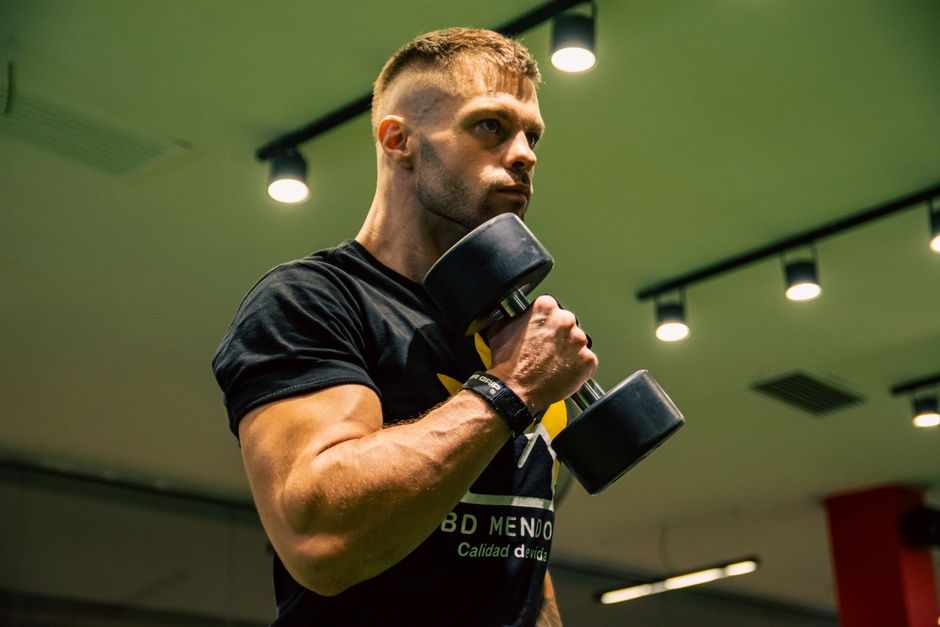
Wrist curls target the muscles in your forearms that control grip strength and wrist movement. To do a wrist curl, sit on a bench with your forearm resting on your thigh or a flat surface, palm facing up, and let your wrist hang over the edge. Hold a dumbbell in your hand and slowly curl your wrist upward, lifting the weight, then lower it back down with control. This movement isolates the flexor muscles on the underside of your forearm, and the reverse version targets the extensors on the top.
What Muscles Do Wrist Curls Work?
Wrist curls primarily work the forearm flexors. These are the muscles on the palm side of your forearm that curl your wrist and fingers inward. The main muscle here is the flexor carpi radialis, along with the flexor digitorum muscles that help with finger flexion.
When you do the reverse wrist curl, with your palm facing down, you target the forearm extensors. These are the muscles on the top of your forearm that pull your hand backward. The primary muscle here is the extensor carpi radialis brevis.
These muscles are important for everyday tasks like carrying groceries, opening jars, and gripping tools. Strong forearms also help prevent wrist and elbow injuries during other exercises like pull-ups or deadlifts.
How To Do Wrist Curls: Step-by-Step
Start by sitting on a flat bench. Place your forearm on your thigh so your wrist hangs off the edge. Your palm should face upward for standard wrist curls.
Hold a dumbbell in your hand. Keep your forearm pressed against your thigh for stability. Do not let your arm lift off your leg during the movement.
Slowly curl your wrist upward as far as comfortable. Squeeze the muscles at the top of the movement for one second. Then lower the weight back down slowly over two to three seconds.
Control the weight on the way down. Do not let gravity do the work. The eccentric phase of the movement is where much of the strength gain happens.
Complete 10 to 15 repetitions per set. Rest 60 seconds between sets. Aim for 2 to 3 sets per session, two to three times per week.
What Is The Correct Form For Reverse Wrist Curls?
Reverse wrist curls work the top of your forearm instead of the underside. The setup is almost the same but with your palm facing down.
Sit on a bench and place your forearm on your thigh with your wrist hanging off. Your palm should face the floor. Hold a dumbbell with an overhand grip.
Slowly extend your wrist upward, lifting the back of your hand toward the ceiling. Keep your forearm flat on your thigh. Lower the weight back down with control.
Reverse wrist curls require less weight than standard wrist curls. The extensor muscles are smaller and weaker than the flexors. Start with half the weight you use for standard wrist curls and adjust from there.





How Much Weight Should You Use For Wrist Curls?
Start with a weight you can control through the full range of motion. For most beginners, a 5 to 10 pound dumbbell is enough for standard wrist curls. For reverse wrist curls, start with 2 to 5 pounds.
The goal is not to lift heavy weight. The goal is to feel the forearm muscles working through each repetition. If you cannot complete 10 controlled reps with good form, the weight is too heavy.
Increase weight only when you can complete 15 reps with perfect form across all sets. Progress in small jumps of 2.5 or 5 pounds. Forearm muscles respond to steady gradual overload, not sudden jumps in weight.
What Are Common Mistakes With Wrist Curls?
The most common mistake is using momentum. People swing their arm or jerk the weight upward. This takes tension off the forearm muscles and puts stress on the wrist joint instead.
Another mistake is letting the forearm lift off the thigh. When your arm moves, other muscles take over and the forearm gets less work. Keep your forearm pressed firmly against your thigh throughout the movement.
Moving too fast is also a problem. Fast reps reduce time under tension and increase reliance on momentum. Each rep should take about 3 to 4 seconds total.
Using too much weight is another frequent error. Heavy weights force you to cheat the movement and reduce the range of motion. Lighter weight with full range of motion builds more strength over time.
How Often Should You Do Wrist Curls?
Two to three times per week is enough for most people. Your forearm muscles recover quickly but still need at least 48 hours between sessions.
Do not do wrist curls every day. The tendons in your wrist and forearm need rest to repair. Overtraining can lead to tendinitis or other overuse injuries.
If you feel pain in your wrist or forearm during or after the exercise, take a break. Pain is different from muscle fatigue. Sharp or persistent pain means something is wrong and you should stop.
Can Wrist Curls Help With Wrist Pain?
Some studies suggest that strengthening the forearm muscles can help reduce wrist pain from conditions like tendinitis or carpal tunnel syndrome. Stronger muscles provide better support for the wrist joint.
However, if you already have wrist pain, do not start with weighted wrist curls. Begin with isometric exercises where you hold your wrist still and push against resistance. Work with a physical therapist or doctor before adding weight.
Wrist curls are not a treatment for acute injuries. If you have sharp pain, swelling, or numbness, see a healthcare provider first. Strengthening exercises help prevent problems but do not fix existing damage.
What Are Alternatives To Wrist Curls?
If you do not have dumbbells or want variety, there are other exercises that work the same muscles.
- Farmer’s carries — hold a heavy weight in each hand and walk. This builds grip strength and forearm endurance.
- Dead hangs — hang from a pull-up bar for time. This works the grip muscles and forearm flexors.
- Grip trainers — hand grippers or stress balls directly strengthen the muscles involved in wrist flexion.
- Plate pinches — pinch two weight plates together with your fingers and hold. This targets finger flexors and thumb strength.
These alternatives are useful but do not replace the specific movement of wrist curls. Wrist curls provide isolated range-of-motion work that other exercises do not.
Should You Do Wrist Curls Before Or After Your Main Workout?
Do wrist curls at the end of your workout. Forearm fatigue can reduce your grip strength for other exercises like rows, pull-ups, or deadlifts.
If you do wrist curls first, your grip may give out before your back or arms get enough work. Save isolated forearm work for after your main lifts.
If your goal is specifically to improve grip strength for deadlifts, you can do wrist curls on a separate day from your heavy pulling exercises.
Frequently Asked Questions
How many wrist curls should I do per day?
Do 2 to 3 sets of 10 to 15 repetitions per session, two to three times per week. Doing more than this increases injury risk without adding benefit.
Do wrist curls build forearm muscle?
Yes, wrist curls directly target the forearm flexors and extensors, which increases muscle size and strength over time. Consistent progressive overload is needed for visible growth.
Can I do wrist curls with a barbell instead of dumbbells?
Yes, a barbell works the same muscles and allows you to train both wrists at once. Some people find dumbbells allow a more natural wrist angle and better range of motion.
Are wrist curls bad for your wrists?
Wrist curls are safe when done with proper form and appropriate weight. Pain during the movement usually means poor form, too much weight, or an existing injury that needs evaluation.
