
The number that keeps showing up in health guidelines is 2,300 milligrams of sodium per day. That is about one teaspoon of salt. For most healthy adults, this is the daily upper limit. But your actual need is much lower. Your body only needs about 500 milligrams of sodium a day to keep your nerves and muscles working. The real question is not just how much you need, but how much is too much.
How Much Salt Do You Need A Day for Basic Health?
Your body uses sodium to keep fluids balanced, send nerve signals, and help muscles contract. Without enough sodium, your cells stop communicating. Your blood pressure can drop too low. You can feel dizzy or confused.
The minimum amount to avoid these problems is 500 milligrams of sodium per day. That is a very small amount. A single slice of bread has about 150 milligrams. A cup of milk has about 100. Most people get far more than 500 milligrams without even trying.
The official Dietary Guidelines for Americans set the upper limit at 2,300 milligrams. The American Heart Association recommends a stricter limit of 1,500 milligrams for most adults, especially people over 50 or those with high blood pressure. These are not minimums. They are limits.
What Happens When You Eat Too Much Salt?
The most direct effect is that your kidneys have to work harder to flush out the extra sodium. They pull water from your bloodstream to dilute the salt. That increases the volume of blood in your arteries. More blood volume means higher pressure against your artery walls. That is how high sodium intake drives high blood pressure.
Over time, sustained high blood pressure damages artery walls. It makes the heart work harder. It increases the risk of heart attack and stroke. Studies consistently show that populations with high sodium intake have higher rates of cardiovascular disease.
Your kidneys themselves can also take damage. Excess sodium can contribute to kidney stones and chronic kidney disease. Some people are more salt-sensitive than others. Age, genetics, and existing health conditions all play a role.
Is There Such a Thing as Too Little Salt?
Yes, but it is rare. Low sodium levels in the blood, called hyponatremia, happen most often in people who lose a lot of salt through sweat, take certain medications, or have an underlying medical condition. Endurance athletes who drink large amounts of water without replacing sodium are at risk.
Symptoms of low sodium include headache, nausea, fatigue, and confusion. In severe cases, it can cause seizures or coma. But for the average person eating a standard Western diet, low sodium is not a realistic concern.
Some people have pushed the idea that low-salt diets are dangerous. The evidence does not support that for the general population. The real risk is for people who are already ill or taking specific medications. If you are healthy, cutting back on salt is safe and likely beneficial.




Where Does Most of the Salt in Your Diet Come From?
This is the part that surprises most people. It is not the salt shaker. About 70 percent of the sodium in the average American diet comes from processed and restaurant foods. Bread, pizza, cold cuts, soups, sandwiches, and fast food are the biggest contributors.
One slice of pizza can have 600 to 800 milligrams of sodium. A fast-food burger with fries can easily exceed 2,000 milligrams. A single bowl of canned soup can have over 1,000. You can hit your daily limit in one meal without ever picking up a salt shaker.
Packaged foods often hide sodium in unexpected places. Salad dressings, sauces, and even breakfast cereals can contain significant amounts. Reading nutrition labels is the only reliable way to know how much you are getting.
How to Reduce Your Salt Intake Without Making Food Bland
The most effective strategy is to cook more meals at home. When you control the ingredients, you control the sodium. Use herbs, spices, garlic, citrus, and vinegar to add flavor instead of salt. Your taste buds adjust over time. Food will start to taste salty even with much less salt.
When you buy packaged foods, look for “low sodium” or “no salt added” versions. Rinse canned beans and vegetables before using them. That can remove up to 40 percent of the sodium. Avoid processed meats like bacon, ham, and deli turkey. They are among the highest sodium foods.
Eating out is harder to control. Ask for sauces and dressings on the side. Choose grilled or baked items over fried. If you order a burger, skip the cheese and the special sauce. Those two changes alone can cut hundreds of milligrams.
Does Sea Salt or Pink Salt Count Differently?
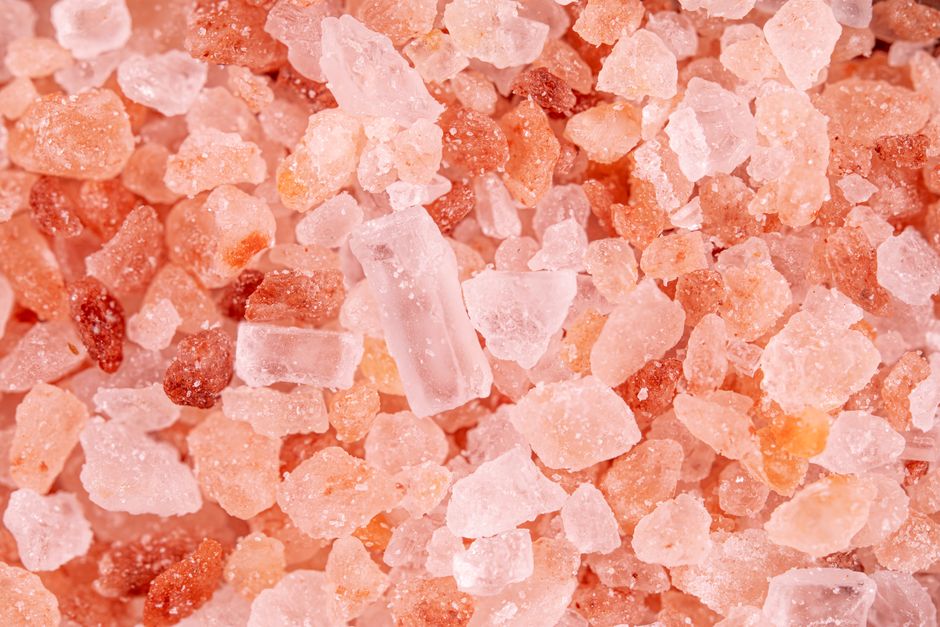
No. Sea salt, Himalayan pink salt, and table salt all contain roughly the same amount of sodium by weight. The difference is in the trace minerals and the crystal size. Sea salt and pink salt have slightly larger crystals, so a teaspoon weighs less than a teaspoon of table salt. That means you might get slightly less sodium per teaspoon, but it is a small difference.
There is no clinical evidence that pink salt or sea salt is healthier than regular table salt. Some people claim they contain beneficial minerals. The amounts are too small to matter. If you like the taste or the color, use them. But do not assume they are a free pass to eat more salt.
Who Needs to Be Most Careful About Salt?
People with high blood pressure, kidney disease, or heart failure need to be the most careful. For these groups, even moderate amounts of salt can cause problems. The American Heart Association recommends no more than 1,500 milligrams per day for people with hypertension.
People over 50 are more sensitive to salt. So are Black adults, who are statistically more likely to have salt-sensitive blood pressure. If you fall into any of these categories, it is worth being more strict. Talk to your doctor about your specific target.
For healthy adults under 50 with normal blood pressure, staying under 2,300 milligrams is a reasonable goal. If you are already there, there is no strong evidence that cutting further gives you extra benefit. The biggest wins come from moving from a high-sodium diet to a moderate one, not from chasing the lowest possible number.
Frequently Asked Questions
How much salt is safe per day?
For most healthy adults, up to 2,300 milligrams of sodium per day is considered safe. People with high blood pressure or kidney issues should aim for 1,500 milligrams or less.
What happens if you eat no salt at all?
Eating no salt at all can lead to dangerously low sodium levels, causing confusion, muscle cramps, and in severe cases seizures. This is rare and usually only happens in people with specific medical conditions or extreme diets.
Is sea salt better for you than table salt?
Sea salt and table salt have nearly the same sodium content by weight. The mineral differences are too small to provide any meaningful health benefit.
Can you flush out salt by drinking water?
Drinking water helps your kidneys remove excess sodium, but it does not cancel out the effects of a high-salt meal. The real solution is reducing how much salt you eat in the first place.
