
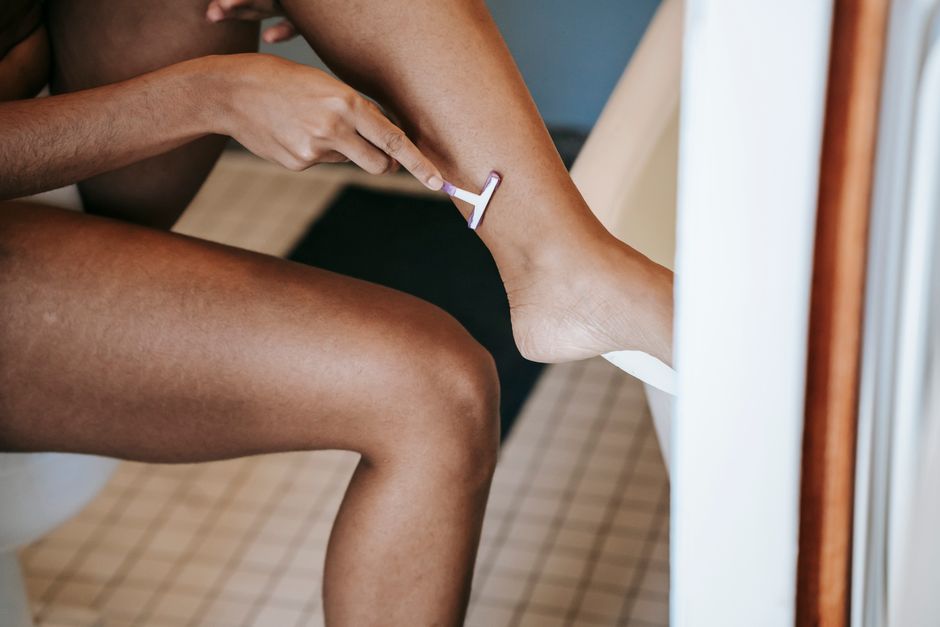
Razor bumps in the pubic area are a common and treatable skin condition. They happen when shaved hairs grow back into the skin, causing inflammation and small, red or dark bumps. The most effective way to get rid of them is to stop shaving temporarily, reduce the inflammation, and change your hair removal routine to prevent new bumps from forming.
What Exactly Are Pubic Razor Bumps?
Razor bumps, medically known as pseudofolliculitis barbae, are not the same as razor burn. Razor burn is surface irritation that happens during the shave. Razor bumps are an inflammatory reaction to a hair that has been cut short and then curls back into the skin as it grows.
Because pubic hair is naturally curly and coarse, it is highly prone to this problem. When the hair tip penetrates the skin, the body treats it like a foreign object. This triggers an immune response that leads to redness, swelling, and sometimes pus-filled bumps that look like pimples.
These bumps can be itchy and tender. In some cases, they can become infected if bacteria enter the broken skin. This is why it is important to treat them properly rather than picking or squeezing them.
How Do You Treat Existing Razor Bumps?
The first step in treating active razor bumps is to stop shaving the area. This is not optional if you want the skin to heal. Shaving over inflamed bumps will only worsen the irritation and increase the risk of infection.
Give the skin a break for at least two to four weeks. This allows the trapped hairs to grow out naturally and the inflammation to subside. During this time, you can manage the discomfort with a few proven methods.
Applying a warm compress to the area for a few minutes can help soothe the skin and may encourage trapped hairs to surface. You can also use over-the-counter hydrocortisone cream for a short period to reduce itching and swelling. Do not use it for more than a few days without checking with a doctor, as prolonged use can thin the skin.
For bumps that look infected or are painful, an antibacterial ointment may help. However, if the area becomes more swollen, warm to the touch, or drains pus, you should see a healthcare provider. You may need a prescription treatment.
Exfoliating gently after the acute inflammation has settled can help release hairs that are trapped just below the surface. Use a soft washcloth or a gentle chemical exfoliant containing salicylic acid. Avoid harsh physical scrubs that will tear the skin.
What Is The Best Way To Prevent Razor Bumps?
Prevention is far easier than treatment. Once your skin has healed, you need to change how you remove pubic hair. The goal is to prevent the hair from being cut so short that it retracts below the skin line.
Here are the steps that dermatologists consistently recommend for minimizing razor bumps:
- Prepare the skin: Shave after a warm shower. Heat and moisture soften the hair and open the hair follicles.
- Use a sharp razor: A dull blade pulls and tugs at the hair, causing an uneven cut. Use a new, single-blade razor for each shave if possible.
- Shave in the direction of hair growth: This is the single most effective change you can make. It will not give you the closest shave, but it will significantly reduce the risk of ingrown hairs.
- Do not stretch the skin: Stretching the skin while shaving causes the hair to spring back below the surface when you release it.
- Rinse with cool water: This closes the pores and reduces immediate irritation.
- Moisturize afterwards: Use a fragrance-free lotion or a product with aloe vera to calm the skin.
Many people find that switching to an electric razor or a trimmer with a guard is the most effective prevention method. These tools do not cut the hair as close to the skin, which leaves the hair long enough to grow out without curling back in.





Are There Better Alternatives To Shaving?
If you are prone to severe razor bumps, shaving may not be the right method for you. Several alternatives offer longer-lasting results and avoid the sharp cut that causes ingrown hairs.
Depilatory creams dissolve the hair just below the skin surface using chemicals. They can be effective, but the skin in the pubic area is sensitive. Always do a patch test on a small area first and follow the timing instructions exactly. Leaving the cream on too long can cause chemical burns.
Waxing or sugaring removes the entire hair from the follicle. This means the new hair that grows back has a soft, tapered tip rather than a sharp cut end. This dramatically reduces the risk of ingrown hairs. The downside is that it is painful and can cause temporary redness.
Laser hair removal is the most effective long-term solution for chronic razor bumps. It damages the hair follicle so that hair grows back thinner or not at all. Multiple sessions are required, and it can be expensive. However, research consistently shows that it is the most reliable treatment for people who get frequent ingrown hairs.
There is no single “best” method that works for everyone. Your skin type, hair thickness, and pain tolerance all play a role in what will work for you.
Why Do Some People Get Razor Bumps More Often?
Genetics play a major role in who develops razor bumps. People with naturally curly or coarse hair are significantly more likely to experience them. The curvature of the hair follicle determines how the hair grows out, and tightly curled hair is more likely to re-enter the skin.
Skin tone also matters. People with darker skin tones often have hair that grows in a more curved pattern. This is why pseudofolliculitis barbae is more common in these populations. It is a structural issue with the hair, not a hygiene problem.
Hormones can also influence hair thickness and growth rate. Changes in hormone levels may make hair coarser or cause it to grow faster, which can increase the likelihood of bumps.
Understanding your personal risk factors helps you choose the right prevention strategy. If you have coarse, curly hair, you likely need to avoid close shaving altogether. If your hair is fine and straight, you may be able to shave regularly with minimal issues.
When Should You See A Doctor?
Most razor bumps resolve on their own with conservative care. However, there are situations where medical attention is necessary.
See a doctor if the bumps do not improve after several weeks of not shaving. Also seek care if you notice signs of infection, which include increasing pain, spreading redness, warmth, or drainage of yellow or green pus. Fever is a red flag that requires prompt medical evaluation.
In some cases, razor bumps can lead to hyperpigmentation, which is darkening of the skin in the affected area. This is more common in people with darker skin tones. A dermatologist can prescribe treatments like retinoid creams to help fade these marks and prevent scarring.
If razor bumps keep coming back despite your best prevention efforts, a dermatologist can offer prescription options. These may include topical antibiotics, retinoids, or steroid creams. In severe cases, oral medications or laser therapy may be recommended.
Do not attempt to dig out ingrown hairs with tweezers or needles on your own. This introduces bacteria deep into the skin and can cause serious infections and permanent scarring. A professional can do this safely under sterile conditions if it is truly necessary.
What Is The Difference Between Razor Bumps And Genital Herpes?
This is a common concern because the two conditions can look similar. Razor bumps are typically firm, red or dark bumps that may have a visible hair at the center. They often appear in clusters where you shaved.
Genital herpes sores are usually small, fluid-filled blisters that break open and form shallow ulcers. They are often painful and may be accompanied by flu-like symptoms during the first outbreak. Herpes lesions typically heal within two to four weeks.
If you are sexually active and unsure about what you are seeing, it is wise to have a healthcare provider examine the area. They can perform a simple swab test to determine the cause. Accurate diagnosis matters because the treatment and implications are completely different.
Razor bumps are not contagious and are not a sexually transmitted infection. Herpes is contagious and requires medical management. When in doubt, do not assume — get it checked.
Frequently Asked Questions
How long do pubic razor bumps take to heal?
Most razor bumps heal within two to four weeks if you stop shaving the area. Persistent bumps that last longer or worsen may require medical treatment.
Can you pop a razor bump?
No. Popping a razor bump increases the risk of infection, scarring, and hyperpigmentation. Let the bump heal on its own or seek professional help if it does not resolve.
Does shaving against the grain cause razor bumps?
Yes. Shaving against the direction of hair growth cuts the hair too short, allowing it to retract below the skin and grow inward. Shaving with the grain significantly reduces this risk.
