
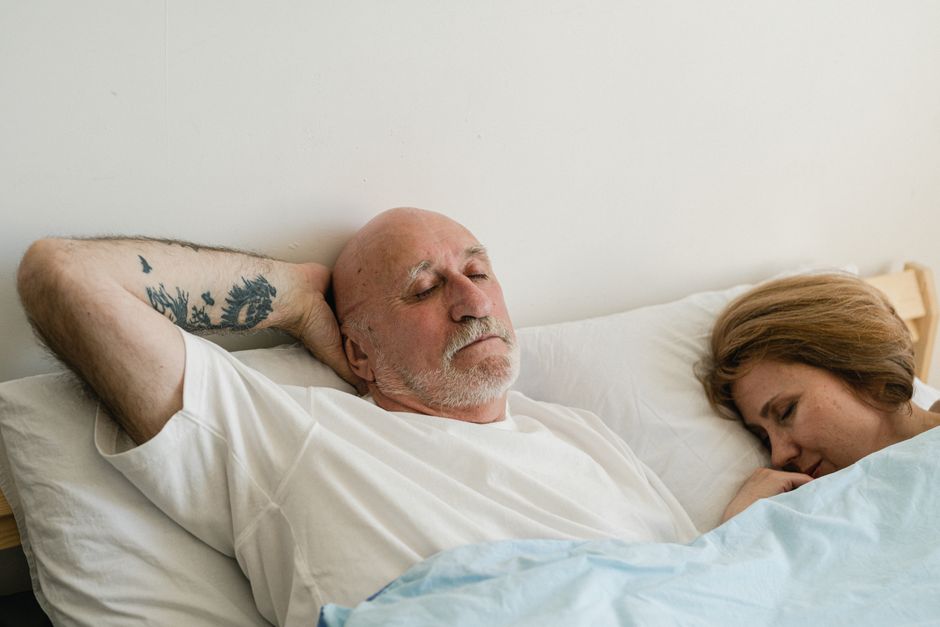
Sleep apnea in babies is a serious condition where breathing repeatedly stops and starts during sleep. For most healthy babies, the best prevention starts before sleep: always place your baby on their back on a firm, flat sleep surface with no loose bedding, pillows, or soft toys. This single practice, along with a safe sleep environment, is the most effective way to reduce the risk of obstructive sleep apnea events and other sleep-related breathing problems at home.
What Is Sleep Apnea in Babies?
Sleep apnea is not one single condition. In babies, it usually falls into two categories. Obstructive sleep apnea happens when something blocks the airway, like relaxed throat muscles or positioning. Central sleep apnea happens when the brain does not send the right signals to the muscles that control breathing.
Many newborns have brief pauses in breathing. These are called periodic breathing and are usually normal. True apnea is different. It involves longer pauses, often lasting 20 seconds or more, or shorter pauses that come with a drop in heart rate or oxygen levels.
Premature infants are at higher risk for apnea of prematurity. This is a developmental issue, not a home-prevention issue. Full-term babies can also develop sleep apnea, often related to anatomy, airway obstruction, or other medical conditions.
How Can I Prevent Sleep Apnea in Babies at Home?
The most reliable home prevention focuses on sleep positioning and the sleep environment. Research consistently shows that back sleeping is the safest position for infants. This is not just about reducing sudden infant death syndrome risk. It also keeps the airway more open compared to stomach or side sleeping.
Here is what the evidence supports for creating a safe sleep space:
- Always place your baby on their back for every sleep, both naps and nighttime.
- Use a firm, flat mattress that fits the crib snugly. The sheet should be tight-fitting.
- Keep the crib bare. No pillows, blankets, bumper pads, stuffed animals, or positioners.
- Use a wearable blanket or sleep sack instead of loose blankets.
- Room-share without bed-sharing for at least the first six months. Your baby sleeps in the same room, on a separate surface.
- Avoid overheating. Dress your baby in light layers. The room should be comfortable for a lightly clothed adult.
These practices do not cure existing apnea. They reduce the risk of airway obstruction during sleep. For a baby already diagnosed with sleep apnea, these measures are supportive but are not a treatment.
What Are the Signs That My Baby Has Sleep Apnea?
Parents cannot reliably diagnose sleep apnea at home. But you can recognize warning signs that warrant a call to your pediatrician. Pauses in breathing during sleep are the primary sign. Other signs include snoring, gasping, snorting, or noisy breathing during sleep.
Some babies with sleep apnea sweat heavily during sleep or sleep in unusual positions. You might notice your baby breathing through their mouth, or you may see their chest heave as they try to breathe. Restless sleep and waking frequently without an obvious cause can also be signs.
During the day, babies with untreated sleep apnea may be irritable, feed poorly, or fail to gain weight appropriately. If you observe any pause in breathing that lasts more than 10 seconds, or if your baby turns blue or pale, seek medical help immediately.


What Causes Obstructive Sleep Apnea in Babies?
Obstructive sleep apnea in infants has several potential causes. Some babies have anatomical features that narrow the airway. These include a small jaw, a large tongue, or an enlarged soft palate. Conditions like Down syndrome and Pierre Robin sequence are associated with higher rates of obstructive sleep apnea.
Enlarged tonsils and adenoids are a common cause in older children, but they are less frequently the cause in infants. In babies, the obstruction is often at a different level of the airway.
Gastroesophageal reflux has been linked to apnea episodes in some infants, though the relationship is complex. The evidence is mixed on how directly reflux causes apnea. Some research suggests an association, but not all studies agree.
Can Positioning Devices or Monitors Prevent Sleep Apnea?
No clinical evidence confirms that commercial sleep positioners prevent sleep apnea. In fact, many positioners are dangerous. Wedges, pillows, and other positioning products can increase the risk of suffocation. Regulatory agencies have warned against these products, and some have been recalled.
Home cardiorespiratory monitors are a different matter. These devices track heart rate and breathing. They can alert parents if a pause occurs. However, they do not prevent apnea. They only detect it after it starts.
For healthy infants, there is no evidence that home monitors reduce the risk of sleep apnea or SIDS. Some pediatricians prescribe monitors for specific high-risk infants, such as those with a history of apnea or certain medical conditions. This is a clinical decision, not a general recommendation.
If a monitor is prescribed, follow the doctor’s instructions exactly. Do not rely on a consumer-grade wearable device that claims to track breathing. These have not been validated for medical use in infants.
When Should I See a Doctor About My Baby’s Breathing?
Any concern about your baby’s breathing during sleep deserves a medical evaluation. You do not need to wait for a severe event. Call your pediatrician if you hear regular snoring, see chest retractions, or notice your baby working hard to breathe during sleep.
Seek emergency care immediately if your baby stops breathing, turns blue or pale, or becomes limp. Do not wait to see if they recover on their own. These are medical emergencies.
If your pediatrician suspects sleep apnea, they may refer you to a pediatric sleep specialist. Diagnosis typically involves an overnight sleep study called polysomnography. This test records brain waves, oxygen levels, heart rate, and breathing patterns during sleep. It is the standard diagnostic tool.
What Treatments Exist for Infant Sleep Apnea?
Treatment depends entirely on the cause and severity. For premature infants with apnea of prematurity, the condition often resolves as the baby matures. Caffeine therapy is sometimes used in hospital settings for these infants.
For obstructive sleep apnea, treatment options vary. Some babies improve with positional changes during sleep, but this is not a substitute for medical care. Others may need surgery to remove enlarged tonsils or adenoids. In severe cases, continuous positive airway pressure, or CPAP, may be used. This involves a mask that delivers gentle air pressure to keep the airway open.
Each treatment plan is individualized. What works for one baby may not work for another. The key point is that home prevention strategies are not a treatment for diagnosed sleep apnea. They are risk-reduction measures for healthy babies.
Does Tummy Time Help Prevent Sleep Apnea?
Tummy time is important for your baby’s development. It strengthens neck, shoulder, and arm muscles. This can help with motor milestones and may reduce the risk of flat head syndrome.
Some parents wonder if stronger muscles reduce sleep apnea risk. There is no strong evidence that tummy time prevents sleep apnea. The muscle strengthening it provides is beneficial for many reasons, but preventing apnea is not one that research currently supports.
What matters is that tummy time happens when your baby is awake and supervised. Your baby should still sleep exclusively on their back.
Frequently Asked Questions
Can a baby suffocate from sleep apnea?
Sleep apnea itself does not cause suffocation in the way a blocked airway from bedding does, but it does cause drops in oxygen levels that can be dangerous. Untreated apnea can lead to serious complications, so any suspected apnea needs medical evaluation.
Is snoring normal in babies?
Occasional light snoring can happen with a stuffy nose, but regular or loud snoring is not normal in infants. Snoring can be a sign of airway obstruction and should be discussed with your pediatrician.
At what age does infant sleep apnea go away?
Apnea of prematurity often resolves by the time a baby reaches their original due date or shortly after. Obstructive sleep apnea may persist or change over time, and its course depends on the underlying cause.
Are baby breathing monitors worth buying?
For healthy babies, no evidence shows that home monitors reduce the risk of sleep apnea or SIDS. If your doctor recommends a monitor for a specific medical reason, follow their guidance.
