
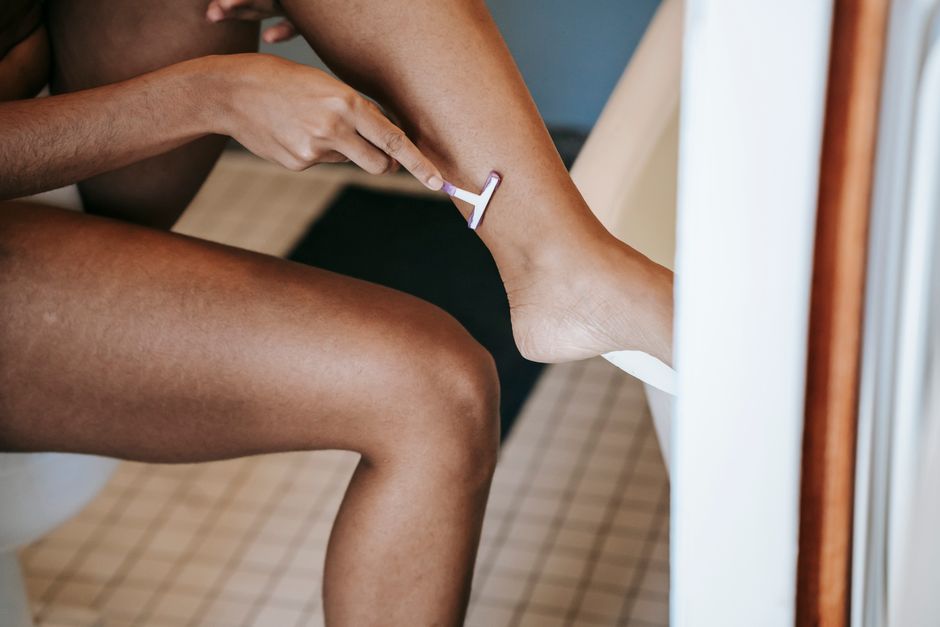
Razor burn is that red, stinging, irritated skin you get after shaving. It happens when the razor drags across the skin, scraping away the top layer of cells and irritating hair follicles. To relieve it quickly, apply a cool compress immediately, then follow with a gentle, fragrance-free moisturizer or a dab of aloe vera. To prevent it, always shave on hydrated skin with a sharp blade and a quality shaving cream, and always shave in the direction your hair grows.
What Exactly Is Razor Burn?
Razor burn is not an infection. It is a mechanical irritation caused by the razor blade. When you shave, the blade cuts the hair at the surface but also scrapes away a thin layer of dead skin cells. If the blade is dull, you press too hard, or you shave dry skin, that scraping becomes more aggressive. The result is inflammation.
This inflammation triggers redness, a burning sensation, and sometimes small red bumps. These bumps are not ingrown hairs. They are irritated hair follicles. True ingrown hairs occur when the hair curls back and grows into the skin, which is a separate issue, though shaving can make both problems worse.
Anyone can get razor burn, but people with sensitive skin or coarse, curly hair tend to experience it more often. The most common areas are the face, neck, legs, armpits, and bikini line. These are all areas where the skin is thin or the hair grows in multiple directions.
How To Relieve Razor Burn Quickly And Prevent It
The fastest way to calm razor burn starts within minutes of noticing the sting. Rinse the area with cool water to remove any remaining shaving cream and to constrict blood vessels, which reduces redness. Then press a clean, cool, damp cloth against the skin for five to ten minutes. Do not rub. Just let the coolness settle the skin.
After the compress, pat the skin dry and apply a thin layer of a gentle moisturizer. Look for products labeled fragrance-free and hypoallergenic. Aloe vera gel is a solid choice because it has natural anti-inflammatory properties. Avoid products containing alcohol, menthol, or heavy fragrances, as these will sting and worsen the irritation.
If the burning is intense, an over-the-counter hydrocortisone cream at a one percent concentration can help reduce inflammation. Use it sparingly and only for a day or two. Hydrocortisone is not meant for long-term daily use on the face or sensitive areas. If the irritation does not improve within a few days, stop using it and consult a healthcare provider.
Do not shave over the irritated area again until it has fully healed. Shaving inflamed skin will only deepen the damage and prolong the recovery. Give the skin two to three days to repair itself.
Why Your Shaving Routine Causes Razor Burn
Most razor burn is preventable. The problem usually comes down to technique and preparation. Shaving dry skin is the single biggest mistake people make. Hair absorbs water and becomes softer when wet. Wet hair is easier to cut with less force. Dry hair is stiff, which forces you to press harder and drag the blade.
Shaving against the grain is another common culprit. Shaving against the direction of hair growth gives a closer shave, but it also increases the chance of irritation and ingrown hairs. Shaving with the grain, meaning in the same direction the hair grows, is gentler on the skin. It may not feel as close, but it will be far more comfortable.
Using a dull blade is a third major factor. A dull blade does not cut cleanly. It tugs at the hair and skips across the skin, causing micro-tears. Most disposable razors should be replaced after five to seven shaves. If you feel any tugging or pulling during a shave, the blade is past its useful life.
Pressing down firmly is a fourth mistake. The weight of the razor alone should be enough. Light, short strokes are safer than long, heavy ones. You are not trying to scrape the hair off. You are trying to guide the blade across the surface.
How To Shave Without Getting Razor Burn
Start with preparation. Shave at the end of a warm shower or right after washing your face with warm water. The heat and moisture soften the hair and open the pores. This alone will reduce friction significantly.
Apply a shaving cream or gel that creates a thick, slick barrier between the blade and your skin. Shaving cream is not just a lubricant. It also helps lift the hair away from the skin so the blade cuts the hair rather than the skin surface. Avoid plain bar soap. It does not provide enough lubrication and it strips natural oils.
Use short, gentle strokes in the direction of hair growth. Rinse the blade after every stroke or two. A clogged blade is effectively a dull blade. It cannot cut properly if it is packed with hair and cream.
After shaving, rinse with cool water to close the pores and soothe the skin. Pat dry with a clean towel. Do not rub. Then apply a moisturizer while the skin is still slightly damp. This locks in hydration and forms a protective barrier.
For people with very sensitive skin, consider using a single-blade razor or a safety razor. Multi-blade razors pull the hair up before cutting it, which can lead to the hair retracting below the skin surface. This increases the risk of ingrown hairs. Single-blade razors cut the hair flush with the skin and are generally gentler.
What Not To Do After Shaving
Do not apply harsh aftershaves that contain high amounts of alcohol. Alcohol dries the skin and removes the protective oils your skin needs to recover. If you like the feeling of an aftershave, choose one labeled alcohol-free or apply a gentle witch hazel toner instead.
Do not scrub the shaved area with exfoliating products for at least 24 hours. Exfoliation removes dead skin cells, but right after shaving, the skin is already compromised. Scrubbing it will cause more irritation and can lead to small cuts or infections.
Do not wear tight clothing over the shaved area, especially after shaving your legs or bikini line. Tight fabric rubs against the irritated skin and traps sweat and bacteria. Loose, breathable cotton clothing allows the skin to heal.
Do not pick at or squeeze any bumps that appear. This can introduce bacteria and turn simple irritation into a real infection. If bumps persist beyond a few days or become painful and filled with pus, see a doctor. That may be folliculitis, which requires a different treatment.
When Razor Burn Is Something Else
Sometimes what looks like razor burn is actually a different condition. Razor bumps, or pseudofolliculitis barbae, are caused by ingrown hairs. They appear as firm, dark bumps that may take weeks to resolve. They are more common in people with curly hair and often require a different approach, including growing the hair out or using a depilatory cream instead of a razor.
Contact dermatitis is another possibility. This is an allergic reaction to something in your shaving cream, moisturizer, or aftershave. It typically appears as a red, itchy rash that may spread beyond the shaved area. If you suspect an allergy, stop using the product and switch to a fragrance-free alternative.
If the irritation is accompanied by fever, spreading redness, warmth, or oozing, it may be an infection. Bacterial infections of shaved skin are uncommon but possible, especially if you shaved over an existing cut or pimple. In that case, seek medical attention rather than trying to treat it at home.
Home Remedies That Actually Work
A few simple household items can calm razor burn effectively. A cool oatmeal compress is one option. Colloidal oatmeal has natural anti-inflammatory properties. Mix it with cool water to form a paste and apply it to the irritated area for ten minutes, then rinse gently.
Witch hazel is another proven option. It acts as a natural astringent and reduces inflammation. Apply it with a cotton ball after shaving. Choose an alcohol-free version to avoid additional drying.
Plain yogurt contains lactic acid and probiotics that can soothe irritated skin, though the evidence here is largely anecdotal. If you try it, use plain, unsweetened yogurt and rinse it off after ten minutes. Do not use this on broken or bleeding skin.
Tea tree oil is sometimes recommended, but it must be diluted heavily in a carrier oil like coconut or jojoba oil. Undiluted tea tree oil burns the skin. Even diluted, some people are allergic to it. Test it on a small patch of skin first.
Frequently Asked Questions
How long does razor burn take to heal?
Mild razor burn typically heals within two to three days. More severe irritation can take up to a week, especially if you keep shaving over the affected area.
Is ice or heat better for razor burn?
Cool is better. A cool compress or ice wrapped in a cloth constricts blood vessels and reduces redness and swelling. Heat increases blood flow and will make the burning worse.
Can I shave over razor burn?
No. Shaving over irritated skin deepens the damage and delays healing. Wait until the redness and stinging have completely resolved, which usually takes two to three days.
Does aloe vera help razor burn?
Yes. Pure aloe vera gel has natural anti-inflammatory properties and provides a cooling sensation that relieves burning. Use a product with high aloe content and no added alcohol or fragrance.
