
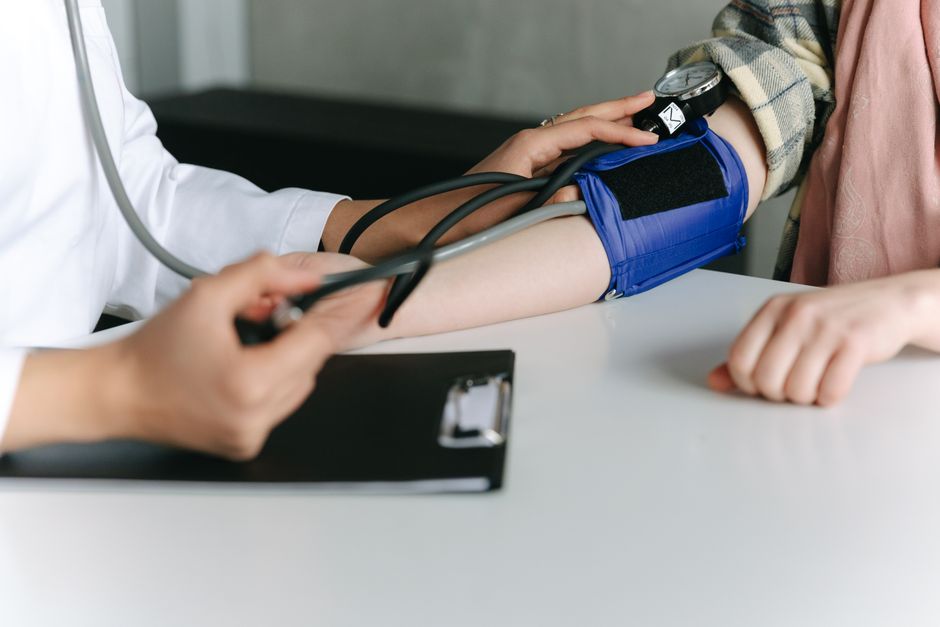
A blood pressure headache usually feels like a throbbing or pounding sensation, often located at the back of the head or on both sides. It tends to be worse with physical activity and may come with vision changes, chest pain, or shortness of breath. This type of headache is most concerning when your blood pressure reading is very high, typically above 180/120 mmHg, which requires immediate medical attention.
What Does A Blood Pressure Headache Feel Like?
People describe it as a pulsing or hammering pain that follows your heartbeat. The pain often starts at the back of the head and can spread forward. Unlike a tension headache that feels like a tight band, this pain has a rhythmic quality to it.
The headache usually builds over time rather than appearing suddenly. It may feel worse when you bend over, cough, or exert yourself. Some people report a sense of pressure behind the eyes along with the head pain.
This headache pattern is not unique to high blood pressure. Migraines and cluster headaches can feel identical. The key difference is the blood pressure reading itself, not the quality of the pain.
When Is a Headache Actually Caused by High Blood Pressure?
Most headaches are not caused by high blood pressure. Everyday blood pressure fluctuations from stress, caffeine, or physical activity rarely trigger headaches. The connection becomes real when blood pressure reaches dangerously high levels.
Research indicates that a headache from high blood pressure typically occurs when systolic pressure exceeds 180 mmHg. This is the top number in a blood pressure reading. Below this level, the evidence linking headaches to blood pressure is weak.
This condition is called a hypertensive crisis or hypertensive emergency when it causes symptoms. A headache alone does not define a hypertensive emergency, but it is one of the warning signs doctors take seriously.
Other Symptoms That Often Accompany a Blood Pressure Headache
A blood pressure headache rarely happens alone. When blood pressure is dangerously high, other symptoms usually appear at the same time. These may include:
- Blurred vision or seeing spots
- Nausea or vomiting
- Chest pain or pressure
- Shortness of breath
- Numbness or weakness on one side of the body
- Confusion or difficulty speaking
The presence of these symptoms alongside a headache and very high blood pressure points to a medical emergency. Organ damage can occur when blood pressure stays this high. The brain, heart, kidneys, and eyes are most at risk.
If you have a severe headache and your blood pressure reads above 180/120 mmHg, call emergency services. Do not wait to see if it passes.

How High Blood Pressure Causes Head Pain
The brain itself does not feel pain. Pain comes from the blood vessels and tissues surrounding the brain. When blood pressure rises sharply, these blood vessels can dilate or stretch. That stretching triggers pain receptors.
Very high blood pressure also disrupts the brain’s ability to regulate blood flow. This is called cerebral autoregulation failure. The brain normally keeps blood flow steady despite changes in blood pressure. At extreme pressures, this system breaks down.
Fluid can also leak from damaged blood vessels into brain tissue. This causes swelling, which increases pressure inside the skull. This is a serious complication called hypertensive encephalopathy. It requires immediate treatment to prevent permanent brain damage.
How to Tell the Difference From a Regular Headache
You cannot reliably tell a blood pressure headache from a migraine by how it feels. The pain patterns overlap too much. The only way to know is to measure your blood pressure during the headache.
A regular headache will not cause your blood pressure to spike. If your reading is normal or only mildly elevated, your headache is likely unrelated to blood pressure. Most headaches fall into this category.
If you have a history of high blood pressure and develop a new type of headache, measure your pressure. A reading above 180/120 mmHg with a headache is a red flag. A reading below that level is less concerning, but still worth discussing with your doctor.
Keep a record of your readings and headache patterns. This information helps your doctor determine whether your blood pressure medication needs adjustment or whether your headaches have a different cause.
What to Do If You Suspect a Blood Pressure Headache
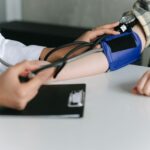
If you have a headache and access to a blood pressure monitor, take a reading. Sit quietly for five minutes before measuring. Rest your arm at heart level and follow the monitor instructions.
If your reading is 180/120 mmHg or higher and you have a headache, seek emergency care immediately. This is not a situation for home remedies or waiting. Call 911 or have someone drive you to the emergency room.
If your reading is elevated but below 180/120 mmHg, contact your doctor. They may adjust your medication or ask you to monitor your readings at home. Do not take extra doses of your blood pressure medication on your own. That can cause blood pressure to drop too low, which carries its own risks.
Do not treat the headache with pain relievers before checking your blood pressure. Some pain medications can raise blood pressure or interact with blood pressure drugs. Aspirin, in particular, may increase bleeding risk if you are having a stroke.
Treatment for a Blood Pressure Headache
Emergency treatment focuses on lowering blood pressure safely and gradually. Doctors use intravenous medications that work quickly and can be adjusted minute by minute. The goal is to reduce pressure by about 25 percent in the first hour.
Lowering blood pressure too fast can deprive the brain of blood flow. This is why emergency treatment happens in a hospital setting with continuous monitoring. The headache typically improves as blood pressure comes down.
Long-term prevention is the real treatment. Consistently controlled blood pressure prevents the extreme spikes that cause these headaches. This means taking prescribed medications daily, not just when you feel unwell.
Lifestyle measures also matter. Reducing sodium intake, limiting alcohol, staying physically active, and managing stress all contribute to steadier blood pressure. These habits do not replace medication but work alongside it.
When to See a Doctor About Headaches
See a doctor if you experience frequent headaches, especially if you have high blood pressure or risk factors for it. Risk factors include being over 45, having a family history of hypertension, being overweight, or smoking.
A sudden, severe headache that feels unlike any you have had before warrants medical evaluation. This is true even if your blood pressure reads normal. New headache patterns deserve investigation.
Headaches that wake you from sleep, worsen over days, or come with neurological symptoms also need medical attention. These patterns can signal other conditions that require treatment.
Frequently Asked Questions
Can high blood pressure cause headaches every day?
Daily headaches are rarely caused by high blood pressure unless your pressure is consistently very high. More often, chronic headaches have other causes like tension, migraines, or medication overuse.
What blood pressure level causes a headache?
Headaches typically appear when systolic blood pressure reaches 180 mmHg or higher. Readings below this level are unlikely to cause a blood pressure headache.
Does a blood pressure headache go away after taking medication?
Yes, the headache usually improves as blood pressure is lowered to a safe range. Emergency treatment must be gradual and medically supervised to avoid complications.
Can I take ibuprofen for a blood pressure headache?
Do not take pain relievers without checking your blood pressure first. Some pain medications can raise blood pressure or interact with your blood pressure drugs. Seek emergency care if your reading is 180/120 mmHg or higher.
