
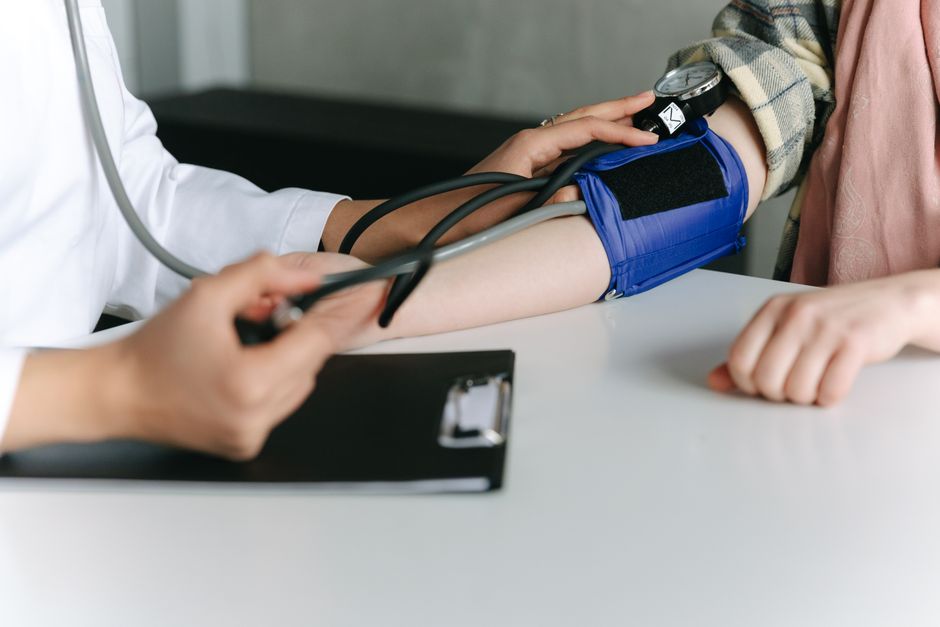
A blood pressure reading of 137/88 mmHg falls into the elevated range. Specifically, the top number (systolic) of 137 is classified as Stage 1 hypertension, while the bottom number (diastolic) of 88 is also in the Stage 1 hypertension range. This is not a normal reading, and it signals that you should talk with your doctor about lifestyle changes and whether treatment is needed.
What Do the Numbers 137 and 88 Actually Mean?
Blood pressure is measured in millimeters of mercury (mmHg) and recorded as two numbers. The top number is your systolic pressure. That is the force against your artery walls when your heart beats and pushes blood out. The bottom number is your diastolic pressure. That is the pressure in your arteries when your heart rests between beats.
A reading of 137/88 means your systolic pressure is 137 mmHg and your diastolic pressure is 88 mmHg. Both numbers matter, but doctors often pay special attention to the systolic number in adults over 50 because it is a stronger predictor of heart disease risk in that age group.
Blood pressure naturally fluctuates throughout the day. It rises with activity, stress, or caffeine and drops during sleep. A single reading of 137/88 does not automatically mean you have a chronic condition. But if this pattern repeats across multiple visits, it is a genuine concern.
Is 137 88 Considered High Blood Pressure?
Yes. 137/88 is considered high blood pressure under current clinical guidelines. The systolic number of 137 places you in Stage 1 hypertension, and the diastolic number of 88 does the same. Stage 1 hypertension begins at 130/80 mmHg.
This is a change from older guidelines. Previously, high blood pressure was defined as 140/90 or higher. In 2017, the American College of Cardiology and the American Heart Association updated the thresholds to catch problems earlier. Under the current system, readings between 120-129 systolic and below 80 diastolic are called elevated. Readings of 130-139 systolic or 80-89 diastolic are Stage 1 hypertension.
The clinical term for your reading is Stage 1 hypertension. It is not a crisis level, but it is a warning sign that your cardiovascular risk is starting to climb.
Why Does a Reading of 137/88 Matter for Your Health?
High blood pressure is often called a silent condition because it produces no symptoms in most people. You can feel perfectly fine while your heart works harder than it should. Over time, that extra pressure damages the inner lining of your arteries.
This damage makes it easier for cholesterol and other substances to build up as plaque. Narrower arteries mean the heart must pump harder, which can lead to thickening of the heart muscle. The kidneys also depend on healthy blood flow, and sustained high pressure can impair their filtering function.
The risk is cumulative. Years of untreated Stage 1 hypertension raise your chances of heart attack, stroke, kidney disease, and vision problems. The good news is that catching it at 137/88 gives you a wide window to make changes before damage becomes significant.



What Should You Do If Your Blood Pressure Is 137/88?
First, confirm the reading. Blood pressure can spike due to anxiety, a full bladder, recent exercise, or even having your arm positioned incorrectly. If you took this reading at home, wait a few minutes and take it again. If you took it at a pharmacy or a public machine, ask your doctor to recheck it in a controlled setting.
When you see your doctor, they will likely take multiple readings over time. They may also ask you to monitor your blood pressure at home for a week or two. This helps rule out “white coat hypertension,” where readings are higher in a medical office simply because you are nervous.
Your doctor will also assess your overall cardiovascular risk. This includes checking your cholesterol, blood sugar, weight, smoking status, and family history. The decision to start medication depends on your total risk profile, not just the blood pressure number alone.
Lifestyle Changes That Can Lower Blood Pressure
For Stage 1 hypertension, doctors typically recommend lifestyle changes first. Many people can bring their numbers down significantly without medication, especially if they act early.
- Reduce sodium intake. Most Americans consume far more salt than the recommended limit. Cutting back to about 1,500-2,300 mg per day can lower systolic pressure by several points.
- Increase potassium. Foods like bananas, sweet potatoes, spinach, and beans help counterbalance sodium’s effect on blood pressure.
- Lose excess weight. Blood pressure often drops about 1 mmHg for every kilogram (2.2 pounds) of weight lost.
- Exercise regularly. Aerobic activity like brisk walking, cycling, or swimming for at least 150 minutes per week has a measurable effect.
- Limit alcohol. More than one drink per day for women or two for men can raise blood pressure.
- Manage stress. Chronic stress keeps blood pressure elevated. Deep breathing, adequate sleep, and regular physical activity help.
The DASH diet (Dietary Approaches to Stop Hypertension) is one of the most studied eating patterns for lowering blood pressure. It emphasizes fruits, vegetables, whole grains, lean protein, and low-fat dairy while limiting saturated fat and sugar.
When Do Doctors Prescribe Medication for 137/88?
Not everyone with 137/88 needs medication right away. The decision depends on your estimated 10-year risk of heart attack or stroke. Doctors use risk calculators that factor in age, sex, cholesterol levels, smoking status, and blood pressure.
If your 10-year risk is below 10 percent, your doctor may recommend lifestyle changes alone for several months. If your risk is 10 percent or higher, guidelines suggest starting medication alongside lifestyle changes. People with diabetes, kidney disease, or existing heart conditions are also more likely to be started on medication at this level.
Medication is not a failure. It is a tool to protect your blood vessels. Many people eventually need more than one medication to reach their target blood pressure. The goal for most adults is a reading below 130/80 mmHg, although your doctor may adjust that target based on your age and health conditions.
How Accurate Are Home Blood Pressure Monitors?
Home monitors are reliable when used correctly, but small errors are common. Use a validated upper-arm monitor rather than a wrist or finger device. Sit quietly for five minutes before measuring. Place the cuff on bare skin at heart level. Do not talk, cross your legs, or drink caffeine for 30 minutes beforehand.
Take two readings one minute apart and record both. Do this at the same times each day, typically morning and evening. Bring your log to your doctor’s appointments. Home monitoring gives a more complete picture than occasional office readings and helps guide treatment decisions.
If your home readings are consistently higher than 130/80, contact your doctor. If they spike above 180/120, seek emergency medical care.
Can 137/88 Return to Normal Without Medication?
Yes, in many cases. Blood pressure is highly responsive to lifestyle changes, especially when the elevation is mild. Studies consistently show that weight loss, sodium reduction, and regular exercise can lower systolic pressure by 5-10 mmHg or more.
The key is consistency. Blood pressure responds to what you do every day, not to occasional efforts. A few weeks of healthy eating will not permanently fix the problem if you return to old habits. Think of it as a long-term shift rather than a temporary fix.
Keep in mind that some people have a strong genetic component to high blood pressure. Even with perfect lifestyle habits, they may still need medication. That does not mean your lifestyle changes failed. They reduce the number of medications you need and lower your overall risk.
Frequently Asked Questions
Is 137/88 dangerous?
It is not an emergency, but it is high enough to increase your long-term risk of heart disease and stroke. Untreated Stage 1 hypertension can damage your arteries, heart, and kidneys over time.
Should I go to the ER for 137/88?
No. A reading of 137/88 is not a hypertensive crisis. Seek emergency care only if your blood pressure is 180/120 or higher, especially if you have chest pain, shortness of breath, or vision changes.
How long does it take to lower blood pressure with lifestyle changes?
Some improvement can appear within weeks of consistent changes. Weight loss and sodium reduction often show measurable effects in 2-4 weeks, but maximum benefit may take several months.
Can anxiety cause a reading of 137/88?
Yes. Stress and anxiety can temporarily raise blood pressure. If you are anxious during the reading, your numbers may be higher than your typical resting pressure. Repeated home readings can help clarify your true baseline.
