
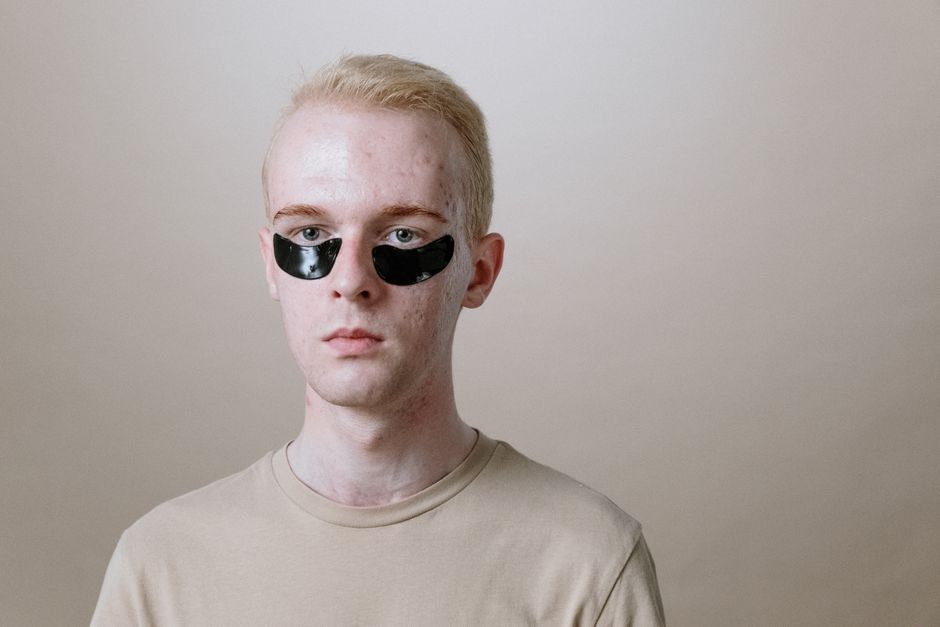
Acne scars are not all the same, and that matters because the treatment that works for one type may do very little for another. The main types are atrophic scars (rolling, boxcar, and ice pick), hypertrophic and keloid scars, and post-inflammatory hyperpigmentation, which is a dark mark rather than a true scar. Matching the treatment to the type is the difference between real improvement and wasted time and money.
How To Get Rid Of Acne Scars Treatments By Type
Scar type determines treatment. This is the single most useful thing to understand before spending money on anything.
Atrophic scars sit below the skin surface. They form when the skin does not produce enough collagen during healing. Hypertrophic and keloid scars sit above the surface, caused by too much collagen. Post-inflammatory hyperpigmentation is flat and involves excess melanin, not a change in skin texture. It fades on its own over time in most people, though it can take months.
That distinction matters because treatments are not interchangeable. A cream that lightens dark marks will not fill a depressed scar. A resurfacing laser that smooths texture will not necessarily correct pigment. Many people have more than one type at once, which is why dermatologists often combine approaches.
One clarification worth making: many people who think they have acne scars actually have post-inflammatory hyperpigmentation or post-inflammatory erythema (redness). These are not true scars. They typically improve without scar-directed treatment. True scars involve a permanent change in the skin’s structure. A dermatologist can tell the difference, and it changes what treatment makes sense.
What Are the Different Types of Acne Scars?
Dermatologists classify acne scars by how they sit relative to the skin surface and what they look like.
- Ice pick scars: narrow, deep, and V-shaped. They look like small punctures in the skin.
- Boxcar scars: wider with sharp, defined edges. They look like shallow craters.
- Rolling scars: wider still, with sloping edges that give the skin a wavy or uneven look.
- Hypertrophic scars: raised and firm, staying within the original wound area. More common on the chest, back, and jawline.
- Keloid scars: raised and extending beyond the original wound. More common in people with darker skin tones.
Post-inflammatory hyperpigmentation and post-inflammatory erythema are often grouped with scars in everyday conversation but are not structural scars. They are color changes. This distinction guides treatment and is worth confirming with a dermatologist before pursuing scar procedures.
Which Treatments Work for Atrophic Scars?
Atrophic scars are the most common type and the hardest to treat. Results usually require multiple sessions and a realistic expectation of improvement rather than complete removal.
For ice pick and boxcar scars, dermatologists commonly use fractional laser resurfacing, microneedling with radiofrequency, chemical peels, and subcision. Subcision uses a small needle to release fibrous bands that pull the skin down. It is often paired with fillers or other treatments. Evidence supports these approaches for improving appearance, though individual results vary and no treatment reliably erases scars completely.
For rolling scars, subcision and laser resurfacing are frequently used. Dermal fillers can temporarily raise depressed areas, but the effect fades over months and requires repeat injections.
Microneedling alone has some evidence for improving atrophic scars, particularly when combined with radiofrequency or topical treatments. Results build over several sessions. It is generally considered less effective than laser resurfacing for deeper scars but has a shorter recovery time.
Over-the-counter creams and serums do not fill atrophic scars. They may improve skin tone and texture slightly, but they cannot rebuild lost collagen structure. Marketing claims suggesting otherwise are not supported by clinical evidence.





Which Treatments Work for Hypertrophic and Keloid Scars?
Raised scars need a different approach. The goal is to flatten and soften them, not fill them.
Intralesional corticosteroid injections are a first-line treatment. A dermatologist injects steroid directly into the scar to reduce collagen buildup and flatten it. Multiple sessions are usually needed.
Silicone gel sheets and silicone gel are widely used and have reasonable evidence for softening and flattening raised scars. They are often recommended after other treatments to help prevent recurrence.
Other options include laser therapy, cryotherapy, and in some cases surgical removal. Surgery alone carries a risk of the keloid returning, so it is often combined with other treatments. People prone to keloids should discuss this risk with a dermatologist before any procedure, including elective surgery or piercing.
Keloids are more common in people with darker skin tones and can be persistent. Treatment often requires a combination approach over a longer period.
Do Creams and Serums Actually Help Acne Scars?
Most over-the-counter creams do not remove true scars. This is one of the most persistent myths in skincare.
What some ingredients can do is improve the appearance of post-inflammatory hyperpigmentation and support overall skin health. Ingredients with reasonable evidence for fading dark marks include retinoids, niacinamide, azelaic acid, and vitamin C. These work on pigment, not on scar structure.
Silicone products have evidence for raised scars specifically. They are not useful for atrophic scars.
No topical product has been shown to fill depressed scars or erase keloids. Claims that a cream can “remove” acne scars are not supported by clinical evidence. Creams may help with color and texture at the margins, but they are not a substitute for procedures when true scars are present.
What About Professional Procedures and Realistic Results?
Professional procedures can meaningfully improve acne scars, but the goal is improvement, not erasure. This expectation matters going in.
Most scar treatments require multiple sessions spaced weeks apart. Results build gradually and may continue to improve for months after the last session. Recovery time varies widely. Some procedures cause redness and swelling for a few days. Others, like deeper laser resurfacing, can require a week or more of healing.
Risks exist. Laser and peel procedures can cause temporary or, less commonly, lasting pigment changes, especially in people with darker skin tones. This is why choosing an experienced dermatologist matters. The same procedure that works well on one skin type can cause problems on another.
Cost is a real factor. Scar procedures are typically considered cosmetic and are often not covered by insurance. Costs vary widely by procedure, provider, and region. Multiple sessions add up. It is reasonable to ask about the expected number of sessions and total cost before starting.
One point that is often overlooked: treating active acne is part of scar management. New breakouts can create new scars. For many people, controlling acne is the first step in preventing more scarring.
Can Acne Scars Be Prevented?
Preventing new scars is more reliable than treating existing ones. The best-established approach is to treat active acne early and avoid picking or squeezing lesions.
Picking and squeezing increase inflammation and tissue damage, which raises the risk of scarring. This is one of the few prevention steps with clear support.
Sun protection matters too. Ultraviolet exposure can darken post-inflammatory hyperpigmentation and make marks more noticeable and longer-lasting. Daily sunscreen helps.
Some people are more prone to scarring than others, and this tendency is not fully controllable. Early, effective acne treatment is the most reliable way to reduce the risk. If acne is persistent or severe, seeing a dermatologist earlier rather than later is reasonable.
When Should You See a Dermatologist?
See a dermatologist if you have scars that bother you, if acne is leaving marks or indentations, or if over-the-counter treatments are not controlling your acne.
A dermatologist can identify your scar types and recommend a treatment plan matched to them. This matters because treating the wrong scar type wastes time and money. They can also tell you whether what you have is a true scar or a pigment change that may fade on its own.
If you are prone to keloids, mention this before any procedure, including elective surgery or piercing. It changes the treatment approach and the risks involved.
Frequently Asked Questions
Can acne scars go away on their own?
True atrophic or raised scars do not go away on their own because they involve a permanent change in skin structure. Post-inflammatory hyperpigmentation and redness often fade over time without scar-directed treatment.
What is the most effective treatment for acne scars?
There is no single most effective treatment because effectiveness depends on scar type. Laser resurfacing, microneedling, subcision, and corticosteroid injections are commonly used, and dermatologists often combine approaches.
Do acne scar creams really work?
Creams can improve dark marks and skin tone but do not remove true scars. No topical product has been shown to fill depressed scars or erase keloids.
How do I know if I have a scar or just a dark mark?
A true scar changes the skin’s texture or surface level, while a dark mark is flat and involves color only. A dermatologist can tell the difference and recommend the right treatment.
