
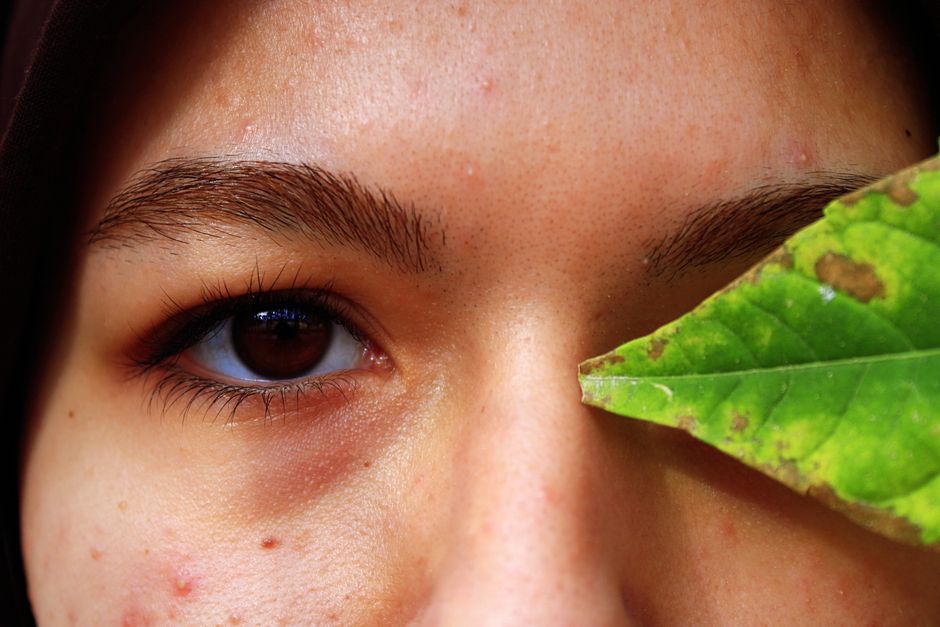
Yes, acne can be a sign of perimenopause for many women. It is not a guaranteed symptom, but it is common. The cause is hormonal fluctuation, specifically a drop in estrogen and a relative increase in androgens like testosterone. This shift can trigger breakouts even in women who had clear skin for decades. Treatments focus on balancing these hormonal changes and managing the skin directly.
What Causes Acne During Perimenopause?
Perimenopause is the transition period before menopause. It can last four to eight years. During this time, your ovaries produce less estrogen. Your body does not make less testosterone right away. This creates an imbalance.
Androgens like testosterone stimulate the sebaceous glands in your skin. These glands produce more oil, called sebum. Extra oil can clog pores. Bacteria then grow, and inflammation follows. That is a pimple.
The North American Menopause Society reports that about one in four women will deal with acne in their late 30s, 40s, and 50s. This is not teenage acne. It tends to show up along the jawline, chin, and neck. These areas have more androgen receptors.
Stress also plays a role. Cortisol, the stress hormone, can increase androgen levels. Many women in perimenopause face higher stress from sleep disruption, hot flashes, and life demands. This can make breakouts worse.
How Is Perimenopause Acne Different from Teenage Acne?
Teenage acne is usually on the forehead, cheeks, and nose. It involves blackheads and whiteheads. Perimenopause acne is different. It is often deeper, more inflamed, and appears as painful cysts under the skin.
Teen skin heals faster. Adult skin is slower to repair. A pimple that would clear in a few days for a teenager can last weeks for a woman in her 40s. It also leaves more redness and dark spots after healing.
Another difference is dryness. Teen skin is usually oily. Perimenopause skin can be oily in some spots and dry in others. This makes treatment trickier. Products that dry out teenage acne can make adult skin irritated and flaky.
What Treatments Actually Work for Perimenopause Acne?
Treatment depends on severity. Mild cases often respond to over-the-counter products. Moderate to severe cases may need a doctor’s help.
Topical retinoids are one of the most researched options. Adapalene, available over the counter as Differin, is a retinoid that helps unclog pores and reduce inflammation. A study published in the Journal of the American Academy of Dermatology found adapalene effective for adult acne. Start with a pea-sized amount three times a week to avoid irritation.
Azelaic acid is another good choice. It reduces bacteria, inflammation, and helps fade dark spots. It is gentler than retinoids and works well for sensitive perimenopause skin.
Benzoyl peroxide kills bacteria. It is effective but can be drying. Use a wash-off formula with 2.5% to 5% concentration. Leave it on for 30 seconds then rinse.
Table: Common Acne Treatments for Perimenopause
| Ingredient | What It Does | Best For |
|---|---|---|
| Adapalene (retinoid) | Unclogs pores, reduces inflammation | Clogged pores, mild to moderate acne |
| Azelaic acid | Kills bacteria, fades dark spots | Sensitive skin, post-acne marks |
| Benzoyl peroxide | Kills bacteria | Inflamed pustules, not daily use |
| Spironolactone (prescription) | Blocks androgen receptors | Hormonal acne along jawline |
| Oral contraceptives (prescription) | Stabilizes hormone levels | Women who also need birth control |





What Role Do Hormones Play in Treating Acne?
If over-the-counter products are not enough, hormone-based treatments are the next step. Spironolactone is a prescription pill that blocks androgen receptors. It reduces oil production. Research shows it works well for adult women with hormonal acne. The American Academy of Dermatology lists it as a treatment option. Side effects can include breast tenderness, fatigue, and needing to urinate more often.
Oral contraceptives are another option. They stabilize estrogen and progesterone levels. This reduces the androgen effect on skin. The FDA has approved several birth control pills for acne treatment. They are not safe for women who smoke or have a history of blood clots.
Hormone replacement therapy (HRT) is sometimes used for perimenopause symptoms. It can help with hot flashes and sleep. Its effect on acne is mixed. Some women see improvement. Others find breakouts get worse depending on the type of progestin used. Talk to your doctor about which HRT formula is best for your skin.
What Skincare Routine Works Best During Perimenopause?
A simple, consistent routine is more effective than a complicated one. Overwashing or using harsh products can damage the skin barrier and make acne worse.
Start with a gentle cleanser. Look for one labeled “non-comedogenic” meaning it will not clog pores. Avoid sulfates and alcohol. Wash twice a day. Do not scrub.
Use a moisturizer after cleansing. Even oily skin needs moisture. A lightweight, oil-free moisturizer with ceramides or niacinamide helps repair the skin barrier. Dry skin produces more oil to compensate, which can cause more breakouts.
Apply treatment products after cleansing and before moisturizer. Start with one active ingredient at a time. Introduce a second only after your skin adjusts. Use sunscreen every morning. Perimenopause skin is more prone to hyperpigmentation. Sunscreen SPF 30 or higher prevents dark spots from forming after a pimple heals.
What Should You Avoid When Treating Perimenopause Acne?
- Avoid harsh physical scrubs. They irritate the skin and can spread bacteria.
- Avoid heavy creams and oils. Coconut oil, shea butter, and petroleum jelly can clog pores.
- Avoid picking or popping pimples. This increases inflammation and scarring.
- Avoid too many active ingredients at once. Using retinol, benzoyl peroxide, and salicylic acid together can cause severe irritation.
- Avoid skipping moisturizer. Dry skin triggers more oil production.
Some viral skincare trends are not helpful for perimenopause acne. “Skin cycling” or “slugging” with Vaseline may work for some skin types but can worsen breakouts for women prone to clogged pores. Stick with what is backed by dermatology research.
Is Acne A Sign Of Perimenopause Causes Treatments Something You Can Manage at Home?
Many women can manage perimenopause acne with at-home care. Over-the-counter retinoids, azelaic acid, and gentle cleansing are effective for mild cases. Diet changes may help some people. The evidence is not strong, but some women report fewer breakouts when they reduce sugar and dairy. The American Academy of Dermatology says there is no proven “acne diet” for everyone.
Stress management matters. High cortisol levels can worsen acne. Sleep, exercise, and relaxation techniques help. They do not replace treatment but support it.
See a dermatologist if breakouts are painful, leaving scars, or not improving after 12 weeks of consistent over-the-counter use. A doctor can prescribe spironolactone, oral contraceptives, or topical antibiotics. They can also check if something else is causing the acne, like polycystic ovary syndrome or a thyroid issue.
Frequently Asked Questions
Can perimenopause acne appear for the first time in your 40s?
Yes, it can. Many women develop acne for the first time in their 40s due to hormonal changes. This is called adult-onset acne and is common during perimenopause.
Does perimenopause acne go away after menopause?
For most women, acne improves after menopause when hormone levels stabilize. Some women continue to have breakouts, especially if they have other underlying conditions.
Can stress alone cause perimenopause acne?
Stress alone does not cause acne, but it can trigger or worsen breakouts by raising cortisol levels. Managing stress helps reduce the severity of acne.
Is it safe to use retinol during perimenopause?
Yes, retinol is safe and effective for perimenopause acne when used correctly. Start with a low concentration and apply it only a few nights per week to avoid irritation.
