
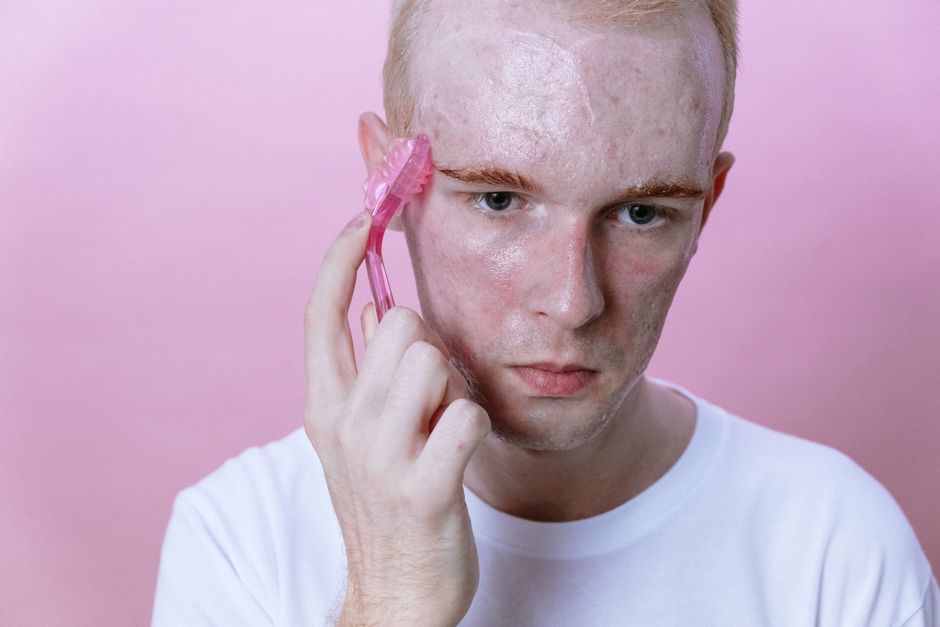
Cystic acne is the most severe form of acne. It causes deep, painful bumps under the skin that can lead to scarring. Over-the-counter spot treatments rarely work because the infection is deep below the surface. Effective treatment usually requires prescription medication from a dermatologist. Options include oral isotretinoin, antibiotics, hormonal therapy, and in-office procedures like drainage or injections.
What Is Cystic Acne and How Is It Different?
Cystic acne forms when pores become clogged with oil and dead skin deep within the follicle. Bacteria multiply and the wall of the pore ruptures, spilling infection into surrounding tissue. The body’s immune response causes swelling, redness, and pain.
Unlike blackheads or whiteheads, cystic acne lesions sit deep under the skin. They may not have a visible head. They often last for weeks or months and are more likely to scar. Gentle surface treatments have little effect because the problem is below the skin’s surface.
What Causes Cystic Acne?
A combination of genetics, hormones, and inflammation drives cystic acne. Androgens — male hormones present in both sexes — stimulate oil glands to produce excess sebum. This hyperactive oil production combined with abnormal shedding of skin cells creates a plug deep in the pore.
Hormonal fluctuations are a common trigger. Women often develop cystic acne during puberty, around their menstrual period, during pregnancy, or when starting or stopping hormonal birth control. Stress also raises cortisol levels, which can worsen breakouts.
Contrary to popular belief, diet plays a limited role for most people. Some studies suggest that high-glycemic foods and dairy may aggravate acne in certain individuals, but the evidence is not strong enough to recommend universal dietary restrictions.
How Do You Get Rid Of Cystic Acne Treatments That Work?
The most consistently effective treatment for severe cystic acne is oral isotretinoin (formerly sold as Accutane). This vitamin A derivative targets all major causes: it shrinks oil glands, normalizes skin cell shedding, kills acne bacteria, and reduces inflammation. After a standard 4–6 month course, about 85% of patients experience long-term clearance.
Oral antibiotics such as doxycycline or minocycline can reduce inflammation and control bacterial growth during the first few months of treatment. However, they are not a long-term solution due to antibiotic resistance concerns. Hormonal treatments — including birth control pills and spironolactone — are effective for women with hormonally driven cystic acne.
Professional in-office treatments can help individual cysts. A dermatologist may inject a cyst with a dilute corticosteroid to rapidly shrink swelling and pain. Drainage and extraction can remove the contents of a large, persistent cyst, though this should never be attempted at home.


Prescription Medications for Cystic Acne
Isotretinoin remains the closest thing to a cure for cystic acne. It is taken daily as a pill. Dermatologists prescribe a dose based on body weight, typically 0.5–1 mg per kilogram per day for 4–6 months. Common side effects include dry skin, chapped lips, and temporary worsening of acne. Serious risks include birth defects, so strict pregnancy prevention is required.
Oral antibiotics like doxycycline or minocycline are often used for 2–3 months to bring inflammation under control. They are usually combined with a topical medication. Long-term antibiotic use is avoided because of resistance and side effects like sun sensitivity or yeast infections.
Spironolactone is a pill that blocks androgen receptors. It is used off-label for women with hormonal acne. It typically takes 2–3 months to show full results. Side effects may include breast tenderness, dizziness, and increased urination.
Some combination birth control pills — especially those containing ethinyl estradiol with drospirenone, norgestimate, or norethindrone — are FDA-approved for acne treatment. They work by stabilizing hormone levels. Results appear after 3–6 months.
Professional Procedures for Cystic Acne
In-office procedures address individual cysts when standard medications are not enough or when rapid relief is needed.
- Intralesional corticosteroid injection. A small amount of steroid is injected directly into a cyst. Pain and swelling decrease within 24–48 hours. This can prevent scarring from large, inflamed cysts.
- Drainage and extraction. A dermatologist makes a tiny incision and removes the contents of a cyst. This is not done for mild acne and carries a small risk of scarring. Never try this yourself — improper drainage can spread infection and worsen scarring.
- Laser and light therapies. Some devices target bacteria or oil glands. Evidence for these is weaker than for medication. They may help as an add-on but are not a primary treatment for severe cystic acne.
Lifestyle and Skincare Habits That Help
Good skincare supports medical treatment but cannot replace it. Gentle cleansing twice daily with a non-comedogenic, sulfate-free cleanser helps remove excess oil without stripping the skin barrier. Avoid harsh scrubs or abrasive products — they irritate inflamed cysts and increase the risk of scarring.
Moisturizing is still important. Many prescription acne drugs dry the skin. A lightweight, oil-free moisturizer prevents excessive dryness and peeling. Non-comedogenic sun protection daily is essential, especially while using isotretinoin or antibiotics, which increase sun sensitivity.
Do not pick, pop, or squeeze cysts. This forces infection deeper, causes more inflammation, and nearly always leaves a scar. Use a cold compress wrapped in a clean cloth for 10 minutes to reduce pain and swelling.
When to See a Dermatologist
See a board-certified dermatologist if you have painful, deep breakouts that last longer than a week, if over-the-counter products are not helping, or if you notice dark spots or scars after previous breakouts. Early treatment prevents permanent scars and reduces the emotional toll of severe acne.
A dermatologist will examine your skin and ask about your medical history. They may prescribe oral medication or perform an in-office procedure during that same visit. Many treatments require regular follow-up to monitor side effects and adjust doses.
Frequently Asked Questions
Does toothpaste help cystic acne?
No. Toothpaste contains ingredients that can dry the skin but also irritate and burn it. It is not a medically approved treatment and can worsen inflammation.
Can diet cause cystic acne?
For most people, diet alone does not cause cystic acne. Some studies suggest high-glycemic foods and dairy may aggravate existing acne in a subset of people, but the evidence is not strong enough to recommend specific dietary restrictions for everyone.
How long does oral isotretinoin treatment take to work?
Most people see noticeable improvement within 1–2 months. A full course typically lasts 4–6 months, and about 85% of patients achieve long-term clearance after completing treatment.
Will cystic acne go away on its own?
Rarely. Without treatment, cystic acne often persists for months or years and causes permanent scarring. Early medical treatment offers the best chance for clear skin and minimal scarring.
