
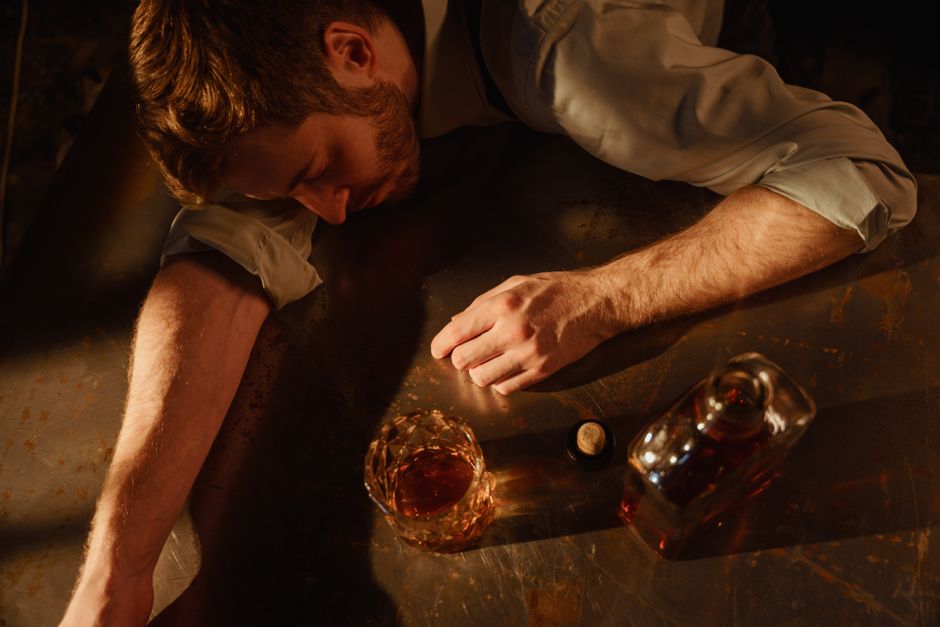
To get rid of a hangover, rehydrate with water and electrolyte-rich fluids, eat a light meal, and rest. There is no scientific cure that makes a hangover disappear instantly, but these steps can help your body recover faster. Avoid drinking more alcohol and be cautious with over‑the‑counter pain relievers — acetaminophen can harm your liver when alcohol is still in your system.
What Causes a Hangover?
A hangover is your body’s reaction to alcohol poisoning. When you drink, your liver breaks down ethanol into acetaldehyde, a toxic compound that causes nausea, headache, and sweating. Your body then converts acetaldehyde into acetate, which is less harmful. But when you drink more than your liver can handle, acetaldehyde builds up.
Alcohol also makes you urinate more often, leading to dehydration. It irritates your stomach lining, disrupts your sleep, and causes your blood vessels to expand, which can trigger headaches. These effects together create the familiar symptoms of a hangover.
Not everyone gets the same symptoms. Genetics, how much you ate before drinking, and how quickly you drank all play a role. Understanding the cause helps you choose the right remedies.
How To Get Rid Hangover
The most effective steps address dehydration, electrolyte loss, and inflammation. Start with water. Sip it slowly throughout the day. If you can tolerate it, drink an oral rehydration solution or a sports drink to replace sodium, potassium, and other electrolytes lost through urine.
Eat a simple meal when you feel up to it. Bland foods like toast, crackers, or bananas are gentle on your stomach and provide glucose to raise your blood sugar. Eggs contain cysteine, an amino acid that helps break down acetaldehyde. Some research supports this, but the effect is modest.
Rest is critical. Alcohol fragments your sleep, so you likely did not get the deep, restorative sleep your body needs. A nap or an early bedtime can help your brain and body recover.
For headache or muscle aches, ibuprofen or naproxen can help. Avoid acetaminophen (Tylenol) for at least 24 hours after heavy drinking because it can be toxic to your liver when combined with alcohol residues. Always check with a doctor if you have liver problems or take other medications.
There is no single pill or supplement that cures a hangover. Some products claim to speed up alcohol metabolism, but no large, well‑designed trial has proven they work.
Does Drinking Water Before Bed Prevent a Hangover?
Drinking water before bed helps, but it does not prevent a hangover. Alcohol dehydrates you, and water can reduce that dehydration. However, your body still needs to process acetaldehyde and other byproducts. Water alone cannot stop those effects.
If you drink a glass of water between alcoholic drinks and another before sleep, you may wake up with less thirst and a lighter headache. But how severe your hangover is also depends on how much you drank and how fast. The best prevention is drinking less or not at all.




What About “Hair of the Dog”?
“Hair of the dog” means drinking more alcohol the next morning to relieve a hangover. This is a myth. It temporarily numbs symptoms because alcohol acts as a depressant on your brain, but it prolongs the toxic effects. You simply delay the hangover and risk alcohol poisoning or dependence.
No medical organization recommends this approach. It does not help your liver process the alcohol faster. In fact, it adds more work for your body and can make your symptoms worse later. Stick to water, rest, and time.
When Should You See a Doctor?
Most hangovers go away on their own within 24 hours. But severe symptoms may signal alcohol poisoning or another medical problem. Seek emergency care if you or someone else experiences confusion, vomiting that won’t stop, seizures, slow or irregular breathing, blue or pale skin, or a very low body temperature.
Also see a doctor if you have chest pain, severe abdominal pain, or if you cannot keep any fluids down for more than 12 hours. These could be signs of pancreatitis, gastritis, or a heart problem, especially if you have a history of heavy drinking.
If hangovers happen often or interfere with your daily life, talk to your doctor. They can help you assess your drinking patterns and offer resources to cut back safely.
Can You Prevent a Hangover?
Prevention is more reliable than any treatment. The only sure way to avoid a hangover is not to drink alcohol. If you do drink, these steps can reduce the severity:
- Eat a meal with protein, fat, and carbohydrates before drinking. Food slows how fast alcohol enters your bloodstream.
- Drink water between alcoholic drinks. Aim for one glass of water per alcoholic drink.
- Choose lighter drinks. Darker liquors like whiskey and bourbon contain congeners — compounds that may worsen hangovers. Clear drinks like vodka or gin have fewer congeners.
- Sip, do not gulp. Your liver can process about one standard drink per hour. Drinking faster overwhelms it.
- Avoid mixing alcohol with sugary sodas or energy drinks, which can mask how drunk you feel and lead you to drink more.
None of these steps guarantee a hangover‑free morning, but they can make the experience less severe.
Should You Try Supplements or Herbal Remedies?
You may have seen claims about ginger, prickly pear, or milk thistle for hangovers. The evidence is weak. Small studies suggest some of these may reduce certain symptoms in lab settings, but no large human trials confirm they work reliably for real‑world hangovers.
B vitamins and electrolytes are a different story. Correcting imbalances after heavy drinking makes physiological sense, and oral rehydration solutions contain these nutrients. But taking extra doses of vitamins or herbs has not been proven to speed recovery.
Approach any supplement with caution. Many are not regulated, and their contents may not match the label. If you choose to try one, tell your doctor, especially if you take prescription medications.
Frequently Asked Questions
How long does a hangover last?
A typical hangover lasts 12 to 24 hours. Symptoms peak when your blood alcohol level drops to zero and then gradually improve.
Is there a cure for a hangover?
No cure exists. Only symptom management — rehydration, rest, and time — can help your body recover.
Does eating after drinking help a hangover?
Eating after drinking can replenish lost nutrients and blood sugar, which may help you feel better. It does not speed up alcohol metabolism.
