
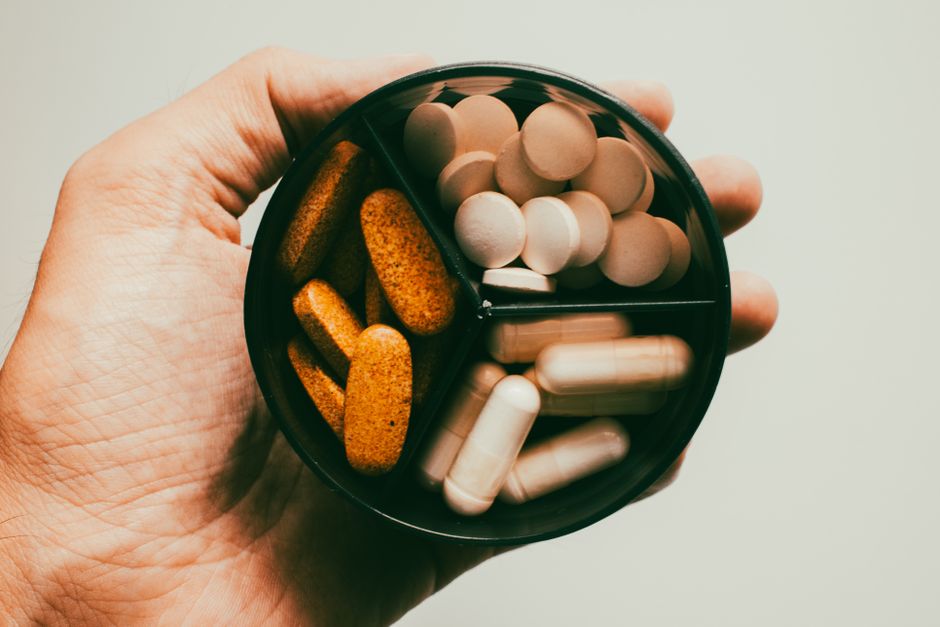
Nutritional yeast is a deactivated form of yeast sold as yellow flakes or powder. It is used mainly as a flavoring that adds a savory, cheese-like taste to food. It also supplies protein, B vitamins, and minerals, and many brands fortify it with added B vitamins. It is not the same as the live yeast used in baking or brewing.
What Is Nutritional Yeast Good For?
Its most reliable role is nutritional, not medicinal. Nutritional yeast is a convenient source of complete protein, several B vitamins, and trace minerals. It adds umami flavor to dishes without meat or dairy. That makes it useful for people eating plant-based diets or anyone trying to cut back on cheese.
What it is not is a treatment. There is no strong clinical evidence that nutritional yeast treats infections, boosts immunity, or manages any specific disease. Some marketing describes it as a “superfood.” That label has no regulated meaning. The honest description is simpler: it is a nutrient-dense food ingredient with a distinct flavor.
One point that surprises many people: nutritional yeast is a species of yeast called Saccharomyces cerevisiae, the same species used in baking and brewing. The difference is that nutritional yeast is killed and dried during processing. Because the cells are dead, it does not ferment, rise, or colonize the body.
How Is Nutritional Yeast Different From Brewer’s Yeast and Active Yeast?
All three come from the same yeast species, but they are processed differently and used for different purposes.
- Active dry yeast is alive. It ferments sugar and makes bread rise.
- Brewer’s yeast is a byproduct of brewing beer. It is usually bitter and often taken as a supplement. It is not the same product as nutritional yeast.
- Nutritional yeast is heat-treated until the cells are inactive. It cannot rise or ferment. It is eaten for flavor and nutrients.
The confusion matters because the names get used interchangeably in casual conversation. If a recipe calls for nutritional yeast, active yeast will not work as a substitute and may keep fermenting in the dish.
What Nutrients Does Nutritional Yeast Provide?
Nutritional yeast is a source of complete protein, meaning it contains all nine essential amino acids. It also naturally contains B vitamins, though the amounts vary by brand and production method.
Most commercial nutritional yeast is fortified with added B vitamins, including B12. This fortification is the reason it is often recommended in plant-based diets. Vitamin B12 occurs naturally almost only in animal foods, so people eating fully plant-based diets need a reliable source. Fortified nutritional yeast can be one, but only if the label confirms B12 was added.
Unfortified nutritional yeast is not a dependable B12 source. The naturally occurring B vitamins in yeast are largely in forms the body cannot use efficiently as B12. Checking the label is the only way to know what you are getting.
Nutritional yeast also provides minerals such as zinc, selenium, and iron, along with some fiber. Exact amounts differ widely between products, so the Nutrition Facts panel on the specific brand is the accurate source.





Does Nutritional Yeast Have Health Benefits?
The benefits that are well supported are nutritional, not therapeutic. If you eat nutritional yeast, you get protein, B vitamins, and minerals. That is a real contribution to a diet, especially a plant-based one.
Beyond nutrition, the evidence gets thin. Some small studies have looked at whether yeast beta-glucans affect immune markers. Results are mixed and the studies are not large enough to support claims about preventing illness. No clinical evidence currently confirms that eating nutritional yeast prevents colds, fights infection, or improves any health outcome on its own.
A common claim is that nutritional yeast supports immunity because of beta-glucans in the cell wall. This is biologically plausible. But plausibility is not the same as demonstrated benefit in people. The honest position is that this remains unproven.
Who Might Benefit From Using It?
People following vegetarian or vegan diets are the group most likely to find it useful. It adds protein and, when fortified, B12 to meals that might otherwise be low in those nutrients.
Anyone limiting dairy may use it as a flavor substitute for cheese in sauces, popcorn, pasta, and scrambled tofu. It provides a similar savory note without lactose.
People who cannot tolerate dairy protein or lactose often use it for that reason. It contains no dairy.
It is not a necessary food for anyone. If you eat a varied diet that already covers your protein and B vitamin needs, nutritional yeast is optional. It is a convenient ingredient, not a required one.
Are There Any Risks or Downsides?
For most people, nutritional yeast is well tolerated. Some people report digestive discomfort such as gas or bloating when they eat large amounts, likely from the fiber and yeast content.
People with yeast allergies or sensitivities should be cautious. A true allergy to Saccharomyces cerevisiae is uncommon but documented. If you have reacted to yeast before, talk to a clinician before adding it.
One practical concern is fortification. Some fortified products contain very high levels of added B vitamins. B vitamins are water-soluble, so excess amounts are usually excreted in urine. But regularly eating large amounts of heavily fortified products is not the same as eating a normal serving. Follow the serving size on the label.
People with certain medical conditions, including some immune conditions, or those taking specific medications, should check with a clinician before making it a regular part of their diet. This is general caution, not a specific warning tied to a known interaction for most people.
How Do You Use Nutritional Yeast?
It is used like a seasoning. Common uses include:
- Sprinkled on popcorn, pasta, or roasted vegetables
- Stirred into sauces to add a cheesy flavor
- Mixed into scrambled tofu or eggs
- Added to soups and stews for savory depth
- Blended into dairy-free cheese sauces
It does not melt like cheese. It dissolves into liquids and coats dry foods. A little goes a long way, so start with a small amount and adjust.
Store it in a cool, dry place in a sealed container. It keeps for a long time but can clump or lose flavor over many months. Check the package date.
What Should You Look For When Buying It?
Read the label. This is the single most useful step.
If you want B12, confirm the product says “fortified” and lists B12 on the Nutrition Facts panel. If it does not, do not assume it contains usable B12.
Check the protein and vitamin content per serving, since brands differ. Some products are fortified heavily and others lightly or not at all.
Some products are labeled “non-fortified” or “pure.” These contain only the naturally occurring nutrients. They are fine for flavor but are not a reliable B12 source.
There is no regulatory standard for how much fortification a product must have. That means two brands can differ substantially. The label is your only reliable guide.
Frequently Asked Questions
Is nutritional yeast the same as brewer’s yeast?
No, they are different products even though both come from yeast. Nutritional yeast is heat-treated and used as a food flavoring, while brewer’s yeast is a brewing byproduct usually taken as a supplement.
Does nutritional yeast actually contain vitamin B12?
Only if it is fortified with added B12, which most commercial products are. Unfortified nutritional yeast is not a reliable B12 source, so check the label.
Can nutritional yeast make you sick or cause an infection?
No, the yeast is inactive, so it cannot cause a yeast infection or grow in your body. Some people may have digestive discomfort or a genuine yeast allergy.
Is nutritional yeast good for you?
It is a nutrient-dense food that provides protein, B vitamins, and minerals. It is not a treatment for any condition, and health claims beyond its nutritional content are not supported by strong evidence.
