
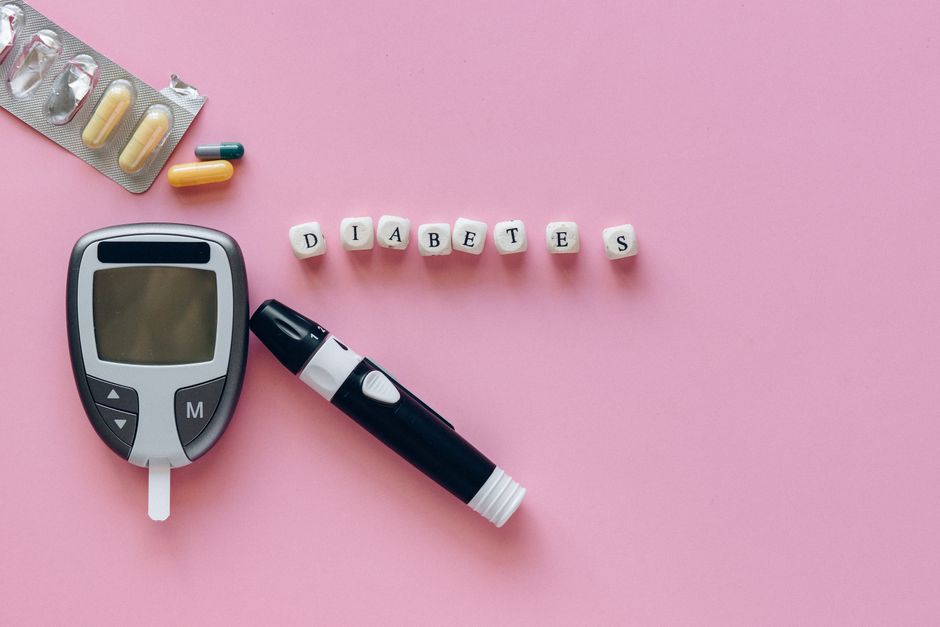
Non-invasive glucose monitors that measure blood sugar without a finger stick do exist in development, but none have been cleared by the FDA for medical use as of early 2025. Several companies are testing devices that use light, radio waves, or sweat to estimate glucose levels. The honest answer: a truly reliable, clinically accurate non-invasive monitor is still likely years away.
What is a non-invasive glucose monitor?
A non-invasive glucose monitor measures blood sugar levels without puncturing the skin. Current monitors require a small drop of blood from a finger prick or a sensor inserted under the skin (continuous glucose monitors). Non-invasive devices aim to use methods like shining light through the skin, analyzing sweat, or measuring radio waves to detect glucose.
The goal is painless, needle-free monitoring that could help millions of people with diabetes check their glucose more easily. However, no such device has met the strict accuracy standards required for diabetes management decisions like insulin dosing.
How do current glucose monitors work?
Standard finger-stick glucose meters measure glucose in a drop of blood using an enzyme reaction. Continuous glucose monitors (CGMs) like Dexcom and Freestyle Libre use a tiny sensor wire inserted just under the skin to measure glucose in the interstitial fluid – the fluid between cells.
CGMs are less invasive than frequent finger sticks, but they still require insertion of a small filament into the skin every 10 to 14 days. They also need occasional finger-stick calibrations for best accuracy. Both methods are well-established and approved by regulators worldwide.
Why is non-invasive glucose monitoring so hard?
Glucose is present in very low concentrations in blood – about 0.1% of blood volume. Detecting such small amounts through the skin is extremely difficult. Other substances in the skin and blood, like water, proteins, and fats, interfere with the signals.
Sweat and interstitial fluid also contain glucose, but levels lag behind blood glucose by 10 to 20 minutes and vary with hydration and skin temperature. Making a device that reliably matches blood glucose readings under real-world conditions – eating, exercising, sweating – has proved challenging for decades.
In addition, the FDA requires that glucose monitors used for insulin dosing have an accuracy of within 15% of laboratory values 95% of the time. No non-invasive device has consistently reached that standard in large clinical trials.

What are the leading technologies in development?
Several technologies are being tested. The most common approaches include:
- Optical spectroscopy – shining near-infrared or Raman light through the skin to measure glucose absorption.
- Radiofrequency and microwave sensing – detecting changes in electromagnetic waves as they pass through glucose in blood vessels.
- Electrochemical sweat sensors – measuring glucose in sweat using patches worn on the skin.
- Fluorescence monitoring – using a hydrogel or tattoo that binds to glucose and changes color.
- Ultrasound and thermal spectroscopy – combining sound waves and heat to improve accuracy.
Some companies, such as Know Labs and Movano Health, have published results from early human trials. Others, like Apple and Samsung, have been working on glucose-sensing technology for years. None have yet submitted a fully validated, non-invasive device for FDA clearance.
Research published in the Journal of Diabetes Science and Technology noted that many devices perform well in controlled lab settings but fail under real-world conditions due to movement, temperature changes, and individual skin differences.
How close are we to a non-invasive glucose monitor?
We are not close enough for people with diabetes to stop using current methods. No non-invasive glucose monitor has received FDA approval for making diabetes treatment decisions. Some devices have received “CE mark” in Europe, which indicates they meet certain safety standards but not necessarily the accuracy required for insulin dosing.
A 2024 review in Diabetes Technology & Therapeutics concluded that while progress has been made, accuracy and reliability remain significant barriers. Most experts estimate that a safe, approved non-invasive monitor is at least 5 to 10 years away, if it becomes possible at all.
That said, the field is moving faster than it was a decade ago. Investments from major tech companies and improved sensor technology have brought us closer than ever. But “closer than ever” is still not clinical testing and regulatory approval.
Are there any approved non-invasive glucose monitors?
No FDA-approved non-invasive glucose monitor exists as of early 2025. Some devices have been marketed as non-invasive but were found to be inaccurate or had to be removed from the market. For example, the GlucoWatch, approved in 2001, used reverse iontophoresis to pull glucose through the skin, but it caused skin irritation and required frequent calibration. It was discontinued.
In Europe, a few devices have received CE marking, such as the Glucowise from MediWise (still under development) and a sweat-based sensor from Nemaura Medical. However, these are not yet approved in the United States, and questions about their accuracy persist.
The FDA has not cleared any non-invasive device for diabetes self-management. The agency specifically warns against using unapproved devices that claim to measure blood sugar without needles.
What should people with diabetes do in the meantime?
Until a reliable non-invasive monitor becomes available, the most accurate options remain standard finger-stick meters and approved continuous glucose monitors. Both are covered by many insurance plans and have decades of data supporting their safety and effectiveness.
Many people find CGMs a good compromise – they require a small insertion but provide real-time trends and fewer daily finger sticks. Some CGMs now offer 14-day wear and do not require finger-stick calibration for initial use, though occasional calibration may still be needed for optimal accuracy.
If you see advertisements for a non-invasive device online, check whether it has FDA clearance. Most do not. The FDA maintains a list of fraudulent diabetes devices and has taken enforcement action against companies making false claims. Always discuss monitoring options with your healthcare provider before changing your diabetes routine.
Frequently Asked Questions
Can I buy a non-invasive glucose monitor now?
No FDA-approved non-invasive glucose monitor is available for purchase in the United States. Some devices are sold online but are not cleared for medical decisions and may be inaccurate.
Are smartwatches that measure blood sugar accurate?
As of early 2025, no consumer smartwatch from Apple, Samsung, or others has FDA clearance to measure blood sugar non-invasively. Any watch claiming to do so likely uses an unproven method and should not be trusted for diabetes management.
When will a non-invasive glucose monitor be available?
There is no confirmed timeline. Experts estimate it may take 5 to 10 more years before a device passes rigorous clinical trials and receives FDA approval for safe daily use.
