
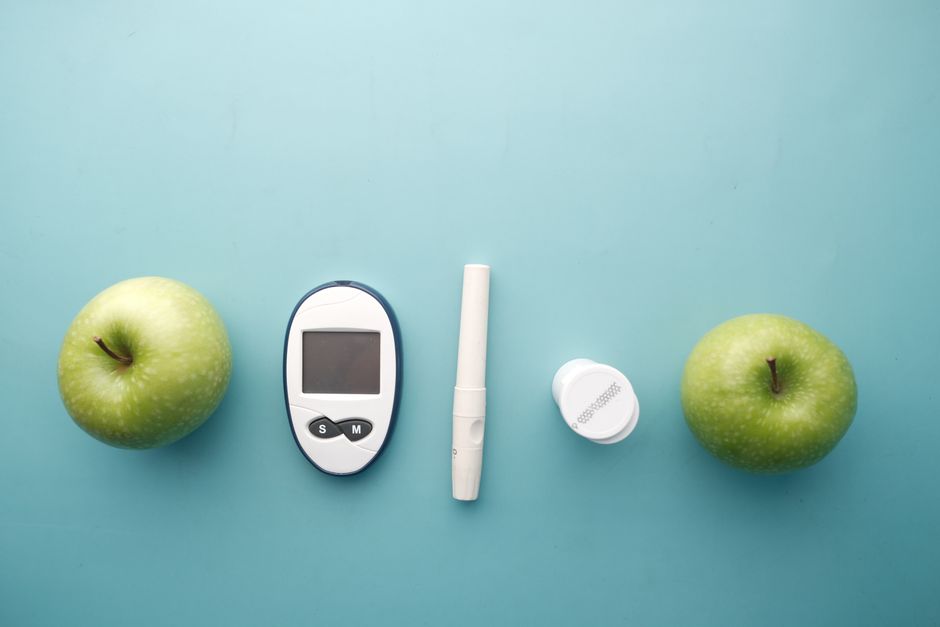
High blood glucose affects millions of Americans, and many want to know what they can do about it without adding another prescription to their daily routine. The good news is that lifestyle choices — what you eat, how you move, and how you sleep — have a direct and measurable impact on blood sugar. Lowering blood glucose naturally comes down to a few core strategies: eating fewer refined carbohydrates, adding fiber and protein to meals, moving your body after eating, and addressing sleep and stress. These approaches work because they target the body’s insulin response and how quickly sugar enters your bloodstream.
What Causes Blood Glucose To Rise?
Blood glucose rises when carbohydrates are broken down into sugar and absorbed into the bloodstream. The pancreas releases insulin, which signals cells to take in that sugar for energy. When this system works well, blood sugar stays in a normal range.
Problems start when cells become less responsive to insulin — a condition called insulin resistance. The pancreas has to produce more insulin to get the same job done. Over time, the pancreas can struggle to keep up, and blood glucose levels drift upward. This is the path to prediabetes and type 2 diabetes.
Not all carbohydrates affect blood sugar the same way. Refined carbs like white bread, sugary drinks, and pastries break down quickly and cause a rapid spike. Whole grains, vegetables, and legumes release sugar more slowly because their fiber slows digestion. Understanding this difference is the foundation of natural blood sugar management.
How To Decrease Blood Glucose Levels Naturally Through Diet
Diet is the single most powerful tool for lowering blood glucose. The goal is not to eliminate carbohydrates but to choose them wisely and balance them with other nutrients.
Fiber is the most important nutrient for blood sugar control. Soluble fiber — found in oats, beans, apples, and carrots — forms a gel-like substance in the gut that slows carbohydrate absorption. This means sugar enters the bloodstream more gradually. Studies consistently show that higher fiber intake is linked to better blood sugar control and lower risk of developing type 2 diabetes.
Protein also slows digestion and reduces the blood sugar response to a meal. Adding eggs, fish, chicken, tofu, or Greek yogurt to a meal that contains carbohydrates can flatten the glucose curve. The same principle applies to healthy fats like olive oil, nuts, and avocado.
One practical approach is to follow the plate method. Fill half your plate with non-starchy vegetables, a quarter with lean protein, and a quarter with whole grains or starchy vegetables. This structure automatically creates a balanced meal that supports stable blood sugar.
Vinegar has a small but real effect. Some research suggests that consuming vinegar with a high-carbohydrate meal can modestly reduce the post-meal blood sugar response. The effect is not large enough to replace medication, but it is a reasonable addition for people looking for natural strategies.
Does Meal Order Actually Matter?
Yes, and the evidence is surprisingly strong. Eating protein and vegetables before carbohydrates can reduce the blood sugar spike after a meal. When carbohydrates are consumed last, the digestive process is slowed, and glucose enters the bloodstream more gradually.
One well-known study compared people who ate carbohydrates first versus those who ate vegetables and protein first. The group that ate vegetables and protein first had significantly lower blood glucose levels after the meal. The effect was consistent and measurable.
This is a simple change that requires no special foods or supplements. It is a matter of sequencing — eating the non-starchy parts of a meal first and saving bread, rice, or potatoes for last. For people who eat mixed meals, this can be one of the easiest adjustments to make.



What Type of Exercise Lowers Blood Sugar Most?
Physical activity lowers blood glucose through two distinct mechanisms. During exercise, muscles use glucose directly for fuel without needing insulin. After exercise, the body becomes more sensitive to insulin, and this effect can last for 24 to 48 hours.
Both aerobic exercise and resistance training are effective. Aerobic exercise — walking, cycling, swimming — burns glucose during the activity. Resistance training — lifting weights, bodyweight exercises — builds muscle, which increases the body’s capacity to store glucose as glycogen. Having more muscle mass means more places for glucose to go.
The most practical advice is to move after meals. A 10 to 15 minute walk after eating can significantly reduce the post-meal blood sugar spike. This works because the muscles are actively taking up glucose during the walk, even if the walk is short.
For overall blood sugar management, the American Diabetes Association recommends at least 150 minutes per week of moderate-intensity aerobic activity, plus two to three sessions of resistance training. This is a well-established guideline, not a suggestion.
Can Sleep and Stress Affect Blood Glucose?
Sleep and stress are often overlooked, but both have direct effects on blood sugar. Poor sleep reduces insulin sensitivity. Even one night of partial sleep deprivation can increase insulin resistance in healthy adults. Chronic poor sleep is consistently linked to higher blood glucose and increased risk of type 2 diabetes.
Stress triggers the release of cortisol and adrenaline. These hormones signal the liver to release stored glucose into the bloodstream. This is a survival mechanism — the body prepares for a threat by providing fuel. But when stress is chronic, blood glucose stays elevated, and the constant demand for insulin can worsen insulin resistance.
Addressing these factors is not as vague as it sounds. Prioritizing seven to eight hours of sleep, keeping a consistent sleep schedule, and building stress-reduction practices into the day are legitimate blood sugar strategies. They work through measurable hormonal pathways.
Do Natural Supplements Actually Lower Blood Glucose?
The supplement market for blood sugar is large, but the evidence is mixed. Some supplements have research behind them. Others are supported only by marketing.
Cinnamon has been studied for its effect on blood glucose, and some small trials show modest benefits. The effect is not consistent across all studies, and the magnitude is small. A meta-analysis found that cinnamon may reduce fasting blood glucose, but the clinical significance remains unclear.
Berberine is one of the more studied natural compounds. Some research suggests it activates an enzyme called AMPK, which plays a role in glucose metabolism. Several small trials have found that berberine lowers blood glucose similarly to metformin, a common diabetes medication. However, berberine can cause digestive side effects and can interact with other medications. Anyone considering it should discuss it with a doctor first.
Magnesium is worth mentioning because deficiency is common and linked to worse blood sugar control. Magnesium plays a role in insulin signaling. Some studies suggest that magnesium supplementation improves blood sugar in people who are deficient. But supplementation in people with normal magnesium levels has not shown clear benefit.
The honest position is this: no supplement replaces diet, exercise, and sleep. Supplements are adjuncts at best. If a product promises dramatic blood sugar reduction, that claim is not supported by evidence.
How Quickly Can Blood Glucose Levels Improve?
Improvement can be surprisingly fast. A single session of exercise improves insulin sensitivity for up to 48 hours. One healthy meal produces a smaller blood sugar spike than an unhealthy meal. These are immediate effects.
Meaningful changes in fasting blood glucose and HbA1c — a measure of average blood sugar over three months — take longer. Most people see measurable improvements within two to four weeks of consistent lifestyle changes. Full changes in HbA1c take at least three months because that is the lifespan of red blood cells.
Weight loss, if needed, adds another layer. Losing 5 to 7 percent of body weight has been shown to improve blood sugar and reduce the risk of progressing from prediabetes to type 2 diabetes. This is a well-established finding from major clinical trials.
The key is consistency. One good day changes nothing. A pattern of good days changes everything.
When Should You See a Doctor?
Anyone with a family history of diabetes, or who is overweight, should have their blood glucose checked regularly. Fasting blood glucose of 100 to 125 mg/dL indicates prediabetes. A diagnosis of diabetes is made when fasting glucose is 126 mg/dL or higher, or when HbA1c is 6.5 percent or above.
If you have already received a diagnosis of prediabetes or type 2 diabetes, natural approaches are valuable but should not replace medical care. Some people can manage prediabetes with lifestyle alone. Others need medication. A doctor can help determine which category you fall into.
Symptoms of very high blood sugar include excessive thirst, frequent urination, blurred vision, fatigue, and unintentional weight loss. These symptoms warrant prompt medical attention.
Frequently Asked Questions
What is the fastest way to lower blood glucose naturally?
Walking for 10 to 15 minutes after a meal lowers blood sugar by causing muscles to take up glucose without needing insulin. This effect begins immediately and lasts for hours.
Does drinking water lower blood glucose?
Water does not directly lower blood sugar, but staying hydrated helps the kidneys flush excess glucose through urine. Dehydration can concentrate blood sugar and make levels appear higher.
Can apple cider vinegar lower blood sugar?
Some research shows that vinegar taken with a high-carbohydrate meal modestly reduces the post-meal blood sugar response. The effect is small and does not replace standard treatments.
How long does it take for lifestyle changes to lower blood glucose?
Fasting blood glucose can improve within two to four weeks of consistent dietary and exercise changes. HbA1c, which reflects average blood sugar over three months, takes at least that long to show meaningful change.
