
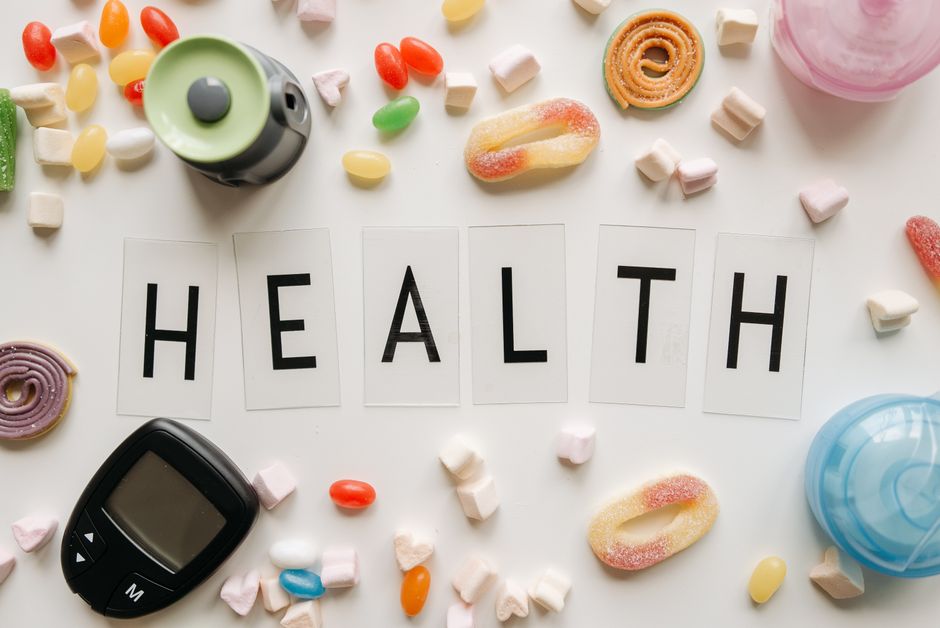
Getting your blood sugar under control naturally means changing what you eat, when you eat, and how you move. The body can lower blood sugar without medication for many people, but it takes consistent effort. The most effective approach focuses on reducing refined carbohydrates, adding more fiber and protein, and building muscle through regular exercise. These changes work because they target the root cause: how your body processes glucose from food.
What Causes High Blood Sugar in the First Place?
High blood sugar happens when your body cannot move glucose out of your blood and into your cells. Insulin is the hormone that does this job. When cells stop responding to insulin properly, the pancreas has to make more and more of it. Over time, the pancreas cannot keep up.
This condition is called insulin resistance. It is the main driver of prediabetes and type 2 diabetes. According to the CDC, more than 1 in 3 US adults have prediabetes. Most of them do not know it.
The biggest contributors to insulin resistance are carrying excess body fat, especially around the belly, eating too many refined carbs and sugars, and not getting enough physical activity. Sleep quality and chronic stress also play a real role. Research published in Diabetologia has shown that even a few nights of poor sleep can raise blood sugar levels the next day.
How To Get Blood Sugar Under Control Naturally With Food
Food is the most powerful lever you have. What you eat directly determines how much glucose enters your bloodstream. But it is not just about cutting sugar. The type of carbohydrate matters more than most people realize.
Refined carbohydrates like white bread, white rice, pasta, and sugary drinks break down into glucose very quickly. They cause a sharp spike in blood sugar. Whole grains, beans, vegetables, and legumes break down slowly. They release glucose gradually, which keeps blood sugar more stable.
The order you eat your food also matters. A small but consistent body of research shows that eating vegetables and protein before carbohydrates leads to lower blood sugar spikes after meals. One study from Weill Cornell Medicine found that people with type 2 diabetes who ate protein and vegetables 15 minutes before carbs had significantly lower post-meal glucose levels than those who ate carbs first.
Fiber is another key player. Soluble fiber, found in oats, beans, apples, and carrots, slows down digestion and the absorption of sugar. The American Diabetes Association recommends getting 25 to 35 grams of fiber per day. Most Americans get about half that.
Does Exercise Lower Blood Sugar Naturally?
Yes. Exercise is one of the most effective natural tools for blood sugar control. It works in two distinct ways. First, during exercise, your muscles use glucose for energy, which pulls sugar out of your bloodstream directly. Second, regular exercise makes your muscle cells more sensitive to insulin over time.
Both aerobic exercise and resistance training matter. Walking, jogging, cycling, and swimming all improve how your body handles glucose. But resistance training — lifting weights, bodyweight exercises, or using resistance bands — has a unique advantage. It builds muscle mass, and more muscle means a larger reservoir for glucose storage.
Research published in Diabetes Care found that combining aerobic and resistance training was more effective for blood sugar control than either type alone. The study followed people with type 2 diabetes for nine months. Those who did both types of exercise had the greatest improvement in their A1C levels.
Aim for at least 150 minutes of moderate-intensity aerobic activity per week, plus two sessions of resistance training. That is the minimum. More provides additional benefit, up to a point.
What About Supplements and Herbs for Blood Sugar?
This is where the evidence gets weaker and claims get louder. Many supplements are marketed for blood sugar control, but few have strong clinical support. You should be skeptical of anything that promises a quick fix.
Berberine is one of the most studied supplements for blood sugar. Several meta-analyses have found that berberine can lower blood sugar and A1C levels in people with type 2 diabetes. The effect is modest and comparable to some diabetes medications. However, berberine can cause digestive side effects and interact with other drugs. It is not risk-free.
Cinnamon is widely claimed to lower blood sugar. The evidence is mixed. Some small studies show a small reduction in fasting blood sugar. Larger, better-designed studies have not confirmed this effect. If cinnamon helps, the effect is likely very small.
Chromium and magnesium are two minerals that play roles in glucose metabolism. Some people are deficient in these, and correcting a deficiency can help. But taking extra if you are not deficient probably does not do much. The National Institutes of Health notes that chromium supplements have not shown consistent benefits for blood sugar control in people who are not deficient.
As of 2026, there is no clinical evidence that any single supplement can replace diet and exercise for blood sugar control. Supplements may help around the edges, but they are not the main event.
How Sleep and Stress Affect Blood Sugar
Sleep and stress are often overlooked, but they directly affect blood sugar. When you do not sleep enough, your body releases more cortisol and growth hormone. Both of these hormones raise blood sugar. A study from the University of Chicago found that restricting sleep to four hours per night for six nights reduced insulin sensitivity by 40 percent.
Chronic stress works similarly. Cortisol tells your liver to release stored glucose. If you are stressed all the time, your blood sugar stays higher than it should. This is not a small effect. It can undo the benefits of a good diet if stress is severe and chronic.
Improving sleep is straightforward but not always easy. Aim for 7 to 9 hours per night. Keep your bedroom cool, dark, and quiet. Stop looking at screens at least 30 minutes before bed. For stress, the evidence supports mindfulness meditation, regular exercise, and talking to a therapist. There is no single fix that works for everyone.
| Factor | Effect on Blood Sugar | Strength of Evidence |
|---|---|---|
| Reducing refined carbs | Lowers post-meal spikes | Strong |
| Increasing fiber | Slows glucose absorption | Strong |
| Aerobic exercise | Lowers blood sugar during and after | Strong |
| Resistance training | Improves insulin sensitivity long-term | Strong |
| Berberine supplement | Modest reduction in A1C | Moderate |
| Cinnamon supplement | Small or no effect | Weak |
| Improving sleep | Prevents insulin resistance | Strong |
| Stress management | Reduces cortisol-driven glucose release | Moderate |
Common Mistakes People Make When Trying To Lower Blood Sugar Naturally
One of the biggest mistakes is going too extreme with carb restriction. Eating very few carbohydrates can lower blood sugar in the short term, but it is hard to maintain. Many people give up after a few weeks and go back to their old eating habits. A moderate reduction that you can stick with for years is better than a severe restriction you abandon in a month.
Another mistake is relying on supplements instead of changing food and exercise. No pill fixes a poor diet. If you take berberine or cinnamon but keep eating sugary drinks and white bread, your blood sugar will stay high.
Some people also ignore portion sizes of healthy foods. Brown rice, quinoa, and oatmeal are better than white rice or sugary cereal, but they still contain carbohydrates. Eating large portions of any carbohydrate source can keep blood sugar elevated. Portion control matters even with healthy choices.
Finally, many people do not check their blood sugar consistently. If you do not measure it, you do not know what is working. For people with prediabetes or type 2 diabetes, testing blood sugar at home provides real-time feedback on how different foods and activities affect you. The American Diabetes Association recommends testing as often as your doctor advises.
Frequently Asked Questions
How quickly can I lower blood sugar naturally?
Exercise and water can lower blood sugar within 30 to 60 minutes. Long-term improvements from diet and exercise changes take weeks to months to show up in your A1C levels.
Can drinking water lower blood sugar?
Yes. Staying hydrated helps your kidneys flush excess glucose out through urine. Dehydration can actually raise blood sugar because your blood becomes more concentrated.
Is apple cider vinegar good for blood sugar?
Some small studies suggest that taking 1 to 2 tablespoons of apple cider vinegar before meals can reduce post-meal blood sugar spikes. The effect is modest and the evidence is not strong enough to recommend it as a treatment.
What foods are best for lowering blood sugar naturally?
Non-starchy vegetables, beans, lentils, nuts, seeds, whole oats, and lean proteins like chicken and fish are the best choices. These foods are high in fiber and protein and low in refined carbohydrates.
