
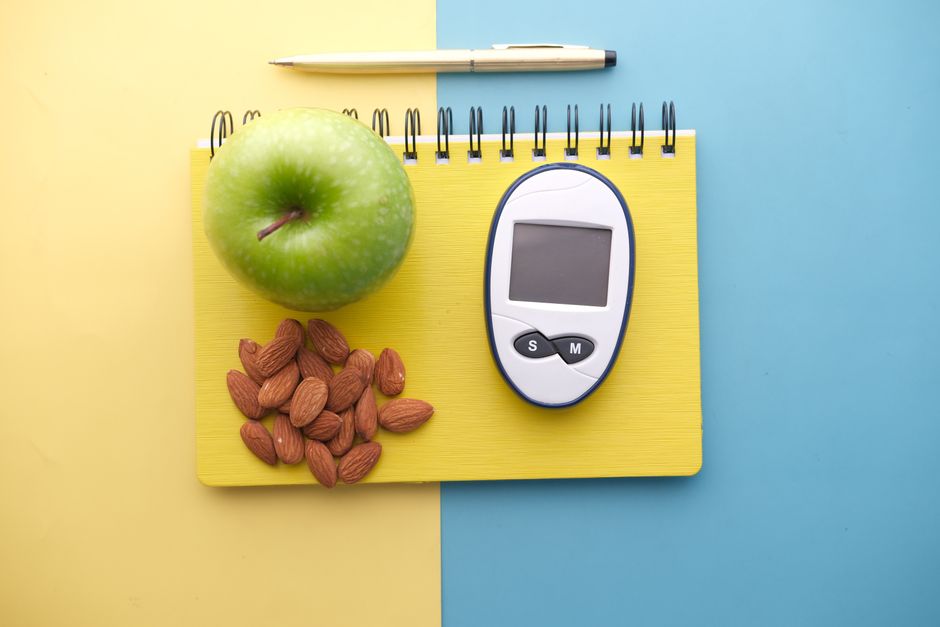
Blood sugar swings affect more people than just those with diabetes. Energy crashes, afternoon slumps, and constant cravings often trace back to unstable glucose levels. The good news is that daily habits matter more than most people realize. You can stabilize blood sugar naturally by changing what you eat, how you eat, and how you move. Here are 11 practical, evidence-based tips that work for most people without medication.
Why Does Blood Sugar Spike and Crash?
Blood sugar is the amount of glucose circulating in your bloodstream. Your body gets glucose from the carbohydrates you eat. When you eat a meal high in refined carbs, glucose enters your blood quickly. Your pancreas releases insulin to move that glucose into your cells for energy.
When this works well, your blood sugar stays in a healthy range. When it does not work well, glucose builds up in your blood. Over time, your cells can become resistant to insulin. That means your pancreas has to work harder to produce more insulin just to do the same job.
This cycle leads to the familiar pattern. You eat, your blood sugar spikes, insulin pushes it down fast, and you crash. The crash triggers hunger, fatigue, and cravings for more carbs. Breaking this cycle is what stabilizing blood sugar is all about.
1. Eat Protein at Every Meal
Protein slows down digestion. When protein is part of a meal, carbohydrates enter your bloodstream more gradually. This prevents the sharp spike that happens when you eat carbs alone.
Good sources include eggs, chicken, fish, Greek yogurt, beans, and lentils. A practical goal is to include a palm-sized portion of protein at each meal. This does not need to be complicated. A handful of nuts with fruit, or an egg with toast, makes a meaningful difference.
2. Put Vegetables First on Your Plate
Fiber is the part of plant foods your body cannot digest. It slows the absorption of sugar into your bloodstream. Vegetables are the most reliable source of fiber that most people are not eating enough of.
Leafy greens, broccoli, cauliflower, and bell peppers are excellent choices. The order in which you eat your food matters too. Some research suggests that eating vegetables before carbohydrates results in a smaller blood sugar rise compared to eating carbs first. This is an easy change that costs nothing.




3. Choose Whole Grains Over Refined Carbs
White bread, white rice, and sugary cereals are digested quickly. They cause fast spikes in blood sugar. Whole grains contain more fiber and take longer to break down.
Brown rice, quinoa, oats, and whole wheat bread are better options. The difference is not small. Replacing refined grains with whole grains has been shown to improve blood sugar control in multiple studies. You do not need to eliminate carbs. You need to choose better ones.
4. Add Healthy Fats to Slow Digestion
Fat also slows stomach emptying. That means food stays in your stomach longer and glucose enters your blood more slowly. This is why a meal with some fat tends to produce a flatter blood sugar curve.
Avocado, olive oil, nuts, seeds, and fatty fish are good sources. A drizzle of olive oil on a salad or a few slices of avocado with eggs is enough. You do not need large amounts.
5. Move Your Body After Meals
Muscles use glucose for energy without needing insulin. When you move after eating, your muscles pull glucose out of your bloodstream directly. This lowers blood sugar naturally.
You do not need a workout. A 10 to 15 minute walk after a meal can make a measurable difference. Some studies have found that short walks after meals reduce blood sugar spikes more effectively than a single longer walk at another time of day.
6. Do Not Skip Breakfast
Skipping meals can backfire. When you go too long without eating, your blood sugar can drop too low. Your body then releases stress hormones that push blood sugar up. This creates instability.
For people who eat breakfast, choosing a balanced one matters. A meal with protein and fiber beats a sugary cereal or pastry. If you practice intermittent fasting and it works for you, that is a different situation. But for most people, regular meals support steadier blood sugar.
7. Reduce Sugary Drinks Completely
Liquid sugar is the fastest way to spike blood sugar. There is no fiber, no protein, and no fat to slow absorption. Soda, sweet tea, fruit juice, and sports drinks all fall into this category.
Even fruit juice, which sounds healthy, is concentrated sugar without the fiber of whole fruit. Water, unsweetened tea, and coffee are better choices. If you want flavor, add lemon or cucumber slices to water. This single change often produces the most noticeable improvement in blood sugar stability.
8. Manage Stress with Intentional Techniques
Stress hormones, especially cortisol, raise blood sugar. Your body releases glucose to give you energy for a perceived threat. When stress is chronic, your blood sugar stays higher than it should.
Deep breathing, meditation, and regular physical activity are proven ways to lower stress hormones. Even five minutes of slow breathing can shift your nervous system. The key is consistency. Occasional stress management does little. Daily practice matters.
9. Prioritize Sleep for Blood Sugar Control
Poor sleep directly impairs insulin sensitivity. Even one night of short sleep can raise blood sugar the next day. Chronic sleep deprivation is a recognized risk factor for type 2 diabetes.
Most adults need seven to nine hours per night. If you struggle with sleep, focus on a consistent schedule. Go to bed and wake up at the same time every day, even on weekends. Dark, cool, quiet rooms help. Reducing screen time before bed also supports better sleep quality.
10. Use Vinegar Before High-Carb Meals
Some research suggests that vinegar, particularly apple cider vinegar, can reduce the blood sugar rise after a starchy meal. The acetic acid in vinegar appears to slow the digestion of carbohydrates.
The evidence is modest but consistent. A tablespoon of vinegar diluted in water before a meal is a common approach. Do not drink vinegar undiluted, as it can damage tooth enamel and irritate the throat. If you take medication for blood sugar, talk to your doctor before adding vinegar regularly.
11. Eat in the Right Order: Fiber, Protein, Then Carbs
This tip combines several earlier ones into a single practical rule. Eat your vegetables first, then protein and fat, and save starches for last. This meal sequencing has been studied directly.
Research has found that eating vegetables and protein before carbohydrates results in a smaller blood sugar spike compared to eating the same foods in reverse order. This is a free, simple, and effective strategy. It requires no special foods or supplements.
How To Stabilize Blood Sugar Naturally 11 Tips?
The 11 tips above work together. Protein and fiber slow digestion. Healthy fats add another layer of slowing. Movement after meals pulls glucose out of the blood. Sleep and stress management address the hormonal side of blood sugar control.
You do not need to implement all 11 at once. Start with one or two that feel manageable. The most impactful are usually cutting sugary drinks, adding protein to meals, and walking after dinner. Once those become habits, add more.
For people with prediabetes or diabetes, these habits complement medical treatment. They do not replace it. If you take medication for blood sugar, talk to your doctor before making major dietary changes. Your medication dose may need adjustment.
Frequently Asked Questions
What food lowers blood sugar quickly?
No food lowers blood sugar quickly. Foods that are high in fiber and protein, like vegetables and beans, help prevent spikes rather than reduce existing high blood sugar. Physical activity is the most reliable way to lower blood sugar that is already elevated.
How long does it take to stabilize blood sugar naturally?
Most people notice improvements in energy and cravings within a few days of changing their eating habits. However, meaningful changes in blood sugar patterns typically take two to four weeks of consistent effort.
Is apple cider vinegar good for blood sugar?
Some studies suggest that vinegar taken before a high-carb meal can reduce the blood sugar rise afterward. The effect is modest, and vinegar does not replace healthy eating or medication when needed.
Can drinking water lower blood sugar?
Water helps your kidneys flush excess glucose through urine, but it does not directly lower blood sugar levels. Staying well-hydrated supports overall metabolic function and prevents dehydration, which can raise blood sugar.
