
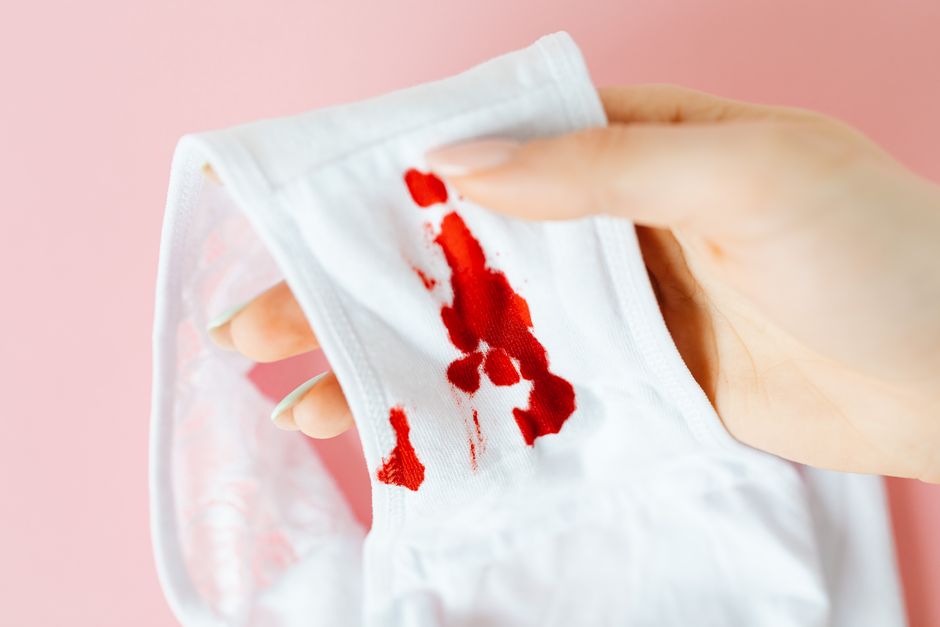
Getting a blood stain out of a shirt is something most people deal with at some point. The key is speed and the right method. For fresh stains, cold water and a little friction work best. For dried stains, you need a soaking step first. The basic process is simple: rinse with cold water, apply a cleaning agent, let it sit, then wash as usual. Hot water sets the protein in blood and makes the stain permanent, so stick with cold throughout.
What Actually Happens When Blood Stains Fabric?
Blood stains are different from food or dirt stains because blood contains proteins. When blood hits fabric, the proteins bind to the fibers. Heat makes those proteins coagulate, which is why hot water locks the stain in place. Cold water keeps the proteins loose so they wash out.
Research shows that the longer a blood stain sits, the harder it becomes to remove. The proteins dry and form a stronger bond with the fabric. This is why fresh stains come out easily and old stains need more work. Enzymes in some laundry products break down these proteins, which is why enzyme-based stain removers are often recommended.
How To Get Blood Stain Out Of Shirt: Step by Step for Fresh Stains
If the blood is still wet, you have the best chance of removing it completely. Start by rinsing the stain under cold running water. Hold the fabric with the stain facing down so the water pushes the blood out rather than deeper into the fibers.
Once most of the blood is rinsed out, apply a small amount of liquid laundry detergent directly to the stain. Gently rub the fabric against itself or use your fingers to work the detergent in. Let it sit for five to ten minutes, then rinse again with cold water. If the stain is gone, wash the shirt in cold water as usual.
For stubborn fresh stains, hydrogen peroxide can help. Pour a small amount directly on the stain. It will bubble and lift the blood. Blot with a clean cloth, then rinse with cold water. Do not mix hydrogen peroxide with bleach or other cleaners. Test on a hidden area first if the fabric is delicate.
How To Get Blood Stain Out Of Shirt: Step by Step for Dried Stains
Dried blood stains require a soaking step. The goal is to rehydrate the proteins so they loosen from the fibers. Start by soaking the stained area in cold water for at least 30 minutes. For tougher stains, soak for several hours or overnight.
After soaking, apply a paste made from baking soda and cold water. Spread it over the stain and let it dry completely. The baking soda helps absorb and lift the stain. Once dry, brush off the powder and rinse with cold water.
If the stain remains, use an enzyme-based stain remover. These products contain proteases that break down blood proteins. Apply the remover directly to the stain, let it sit for the time listed on the product, then wash in cold water. Avoid hot water or hot drying until the stain is completely gone.
| Stain Type | First Step | Best Cleaner | Water Temperature |
|---|---|---|---|
| Fresh (wet) | Cold rinse | Liquid detergent or hydrogen peroxide | Cold only |
| Dried (set in) | Cold soak | Enzyme-based stain remover or baking soda paste | Cold only |
| Old (weeks or months) | Long cold soak | Hydrogen peroxide plus enzyme cleaner | Cold only |




What Common Household Items Actually Work for Blood Stains?
Many people recommend hydrogen peroxide, and research supports its effectiveness. Hydrogen peroxide breaks down blood through oxidation. It works well on both fresh and dried stains. Apply it directly, let it bubble, then blot and rinse. It is safe for most white and colorfast fabrics but can bleach some materials, so test first.
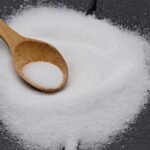
Baking soda is another common option. It works best as a paste for dried stains. The paste helps lift the stain as it dries, but it is not as effective on its own as hydrogen peroxide or enzyme cleaners.
Salt water is often mentioned online for blood stains. Evidence for its effectiveness is weak. Salt may help draw out fresh blood if applied immediately, but it is not a reliable method for most stains. Stick with detergent, hydrogen peroxide, or enzyme cleaners for better results.
Meat tenderizer is sometimes suggested because it contains enzymes. Some people report it works, but strong clinical evidence is limited. If you try it, make a paste with cold water and apply for 30 minutes. Rinse thoroughly before washing.
What To Avoid When Removing Blood Stains
Hot water is the number one mistake. Heat sets the protein in blood permanently. Never use hot water on a blood stain at any stage. This includes washing and drying. Do not put the shirt in the dryer until you are certain the stain is gone. Heat from the dryer can lock in a stain that looked gone after washing.
Do not rub the stain vigorously when it is dry. Rubbing dried blood can push it deeper into the fibers or spread it to clean areas. Always soak first to loosen the stain before applying any friction.
Avoid using chlorine bleach on blood stains. Bleach reacts with blood proteins and can make the stain worse, especially on colored fabrics. It can also damage the fabric fibers. Stick with hydrogen peroxide or oxygen-based bleach instead.
Does Fabric Type Matter for Blood Stain Removal?
Yes, the fabric affects how well blood stains come out. Natural fibers like cotton and linen absorb blood quickly, which can make stains harder to remove. They also handle stronger cleaners like hydrogen peroxide well without damage.
Synthetic fibers like polyester and nylon do not absorb blood as deeply. Stains on these fabrics often come out more easily with just cold water and detergent. However, some synthetic fabrics are sensitive to hydrogen peroxide, so test on a hidden area first.
Delicate fabrics like silk and wool require extra care. These materials are protein-based themselves, so enzyme cleaners can damage them. For silk and wool, stick with cold water and mild detergent. Avoid hydrogen peroxide and enzyme products unless the label specifically allows them. As of 2026, current research suggests that cold water and gentle hand washing are the safest methods for these fabrics.
Common Misconceptions About Blood Stain Removal
One widespread myth is that vinegar removes blood stains. Some people report success, but strong evidence is lacking. Vinegar is acidic and may help break down stains in some cases, but it is not reliably effective. Hydrogen peroxide and enzyme cleaners are better choices.
Another myth is that saliva works because it contains enzymes. Human saliva does have some enzymes, but not enough to make a meaningful difference on most stains. This method is not supported by research and is not recommended.
Some people believe that drying the shirt in the sun removes blood stains. Sunlight can bleach some stains over time, but it is not a reliable removal method. It may lighten the stain but rarely removes it completely. Always use proper cleaning steps first.
Frequently Asked Questions
Can I use hot water on a blood stain?
No. Hot water sets the protein in blood and makes the stain permanent. Always use cold water for blood stains.
Does hydrogen peroxide work on old blood stains?
Yes, hydrogen peroxide can work on old stains. Apply it directly, let it bubble, then blot and rinse with cold water.
Can I put the shirt in the dryer if the stain looks gone?
No. Heat from the dryer can set any remaining stain. Check the stain after washing and repeat the process if needed before drying.
Will bleach remove blood stains from white shirts?
Chlorine bleach can make blood stains worse. Use hydrogen peroxide or oxygen-based bleach instead for white fabrics.
