
A chipped tooth is a common problem, and the right fix depends on how much tooth is missing and where the damage is. For a small chip, dental bonding is often the quickest and most affordable solution. For a larger chip, especially on a front tooth, a veneer or crown may be the better long-term choice. The only way to know for sure is to have a dentist examine the tooth, but understanding your options before you go helps you make a confident decision.
What Are My Options for a Chipped Tooth?
There are four main ways dentists repair a chipped tooth. Each one serves a different purpose, and the best choice depends on the size of the chip, the location of the tooth, and your budget.
Dental bonding uses a tooth-colored resin that is shaped onto the tooth and hardened with a special light. It is best for small to medium chips and can usually be completed in one visit. Veneers are thin shells of porcelain or composite that cover the front surface of the tooth. They are ideal for chips that affect the visible front of a smile. Crowns cover the entire tooth and are used when a large portion of the tooth is missing or the tooth is weakened. Onlays are a middle ground, covering only part of the tooth when a chip is too large for bonding but a full crown is not needed.
How Does Dental Bonding Fix a Chipped Tooth?
Dental bonding is the most common repair for minor chips. The dentist first roughens the surface of the tooth with a mild acid solution. This creates a texture that helps the resin stick firmly. Then the tooth-colored resin is applied in layers, shaped to match the natural contours of your tooth, and hardened with a curing light.
The entire process usually takes 30 to 60 minutes per tooth. No anesthesia is needed unless the chip is close to the nerve. Bonding is strong enough for everyday chewing, but it is not as durable as a veneer or crown. It can stain over time and may need touch-ups every three to five years, depending on how well you care for it.
When Is a Veneer the Better Choice?
A veneer is the better choice when the chip is on the front surface of a tooth and you want a longer-lasting, more natural-looking result. Veneers are custom-made in a dental lab and require two visits. At the first visit, the dentist removes a thin layer of enamel from the front of the tooth, takes an impression, and places a temporary veneer. At the second visit, the permanent veneer is bonded to the tooth.
Porcelain veneers resist staining much better than composite bonding. They also look more like natural tooth enamel because of the way they reflect light. With good care, a porcelain veneer can last 10 to 15 years. The downside is cost. Veneers are significantly more expensive than bonding, and the procedure is irreversible because enamel is removed.




What About Crowns for Larger Chips?
When a chip removes more than half of the tooth structure, a crown is usually the safest option. A crown is a full-coverage cap that protects the remaining tooth from breaking further. It is also the right choice when a tooth has had a root canal or has a large old filling that is failing.
Crowns are made from several materials, including porcelain, ceramic, metal, or a combination. Porcelain-fused-to-metal crowns are strong and look natural. All-ceramic crowns are the most aesthetic and are often used on front teeth. Getting a crown takes two visits and requires the dentist to reshape the tooth significantly. Crowns typically last 10 to 15 years or longer with proper oral hygiene.
How To Fix A Chipped Tooth Bonding Veneers More: What to Expect at the Dentist
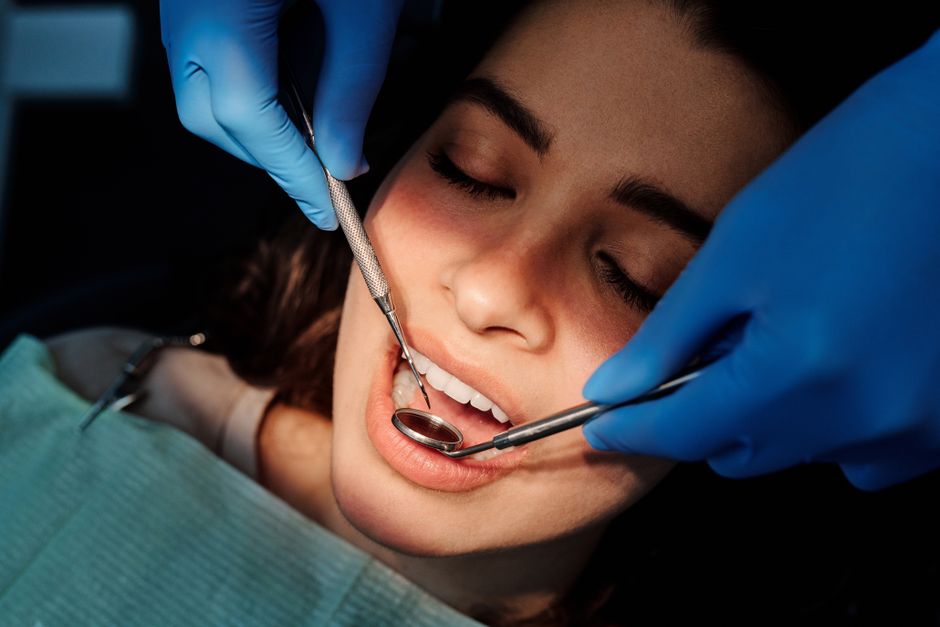
Your dentist will start with a clinical exam and likely take an X-ray. The X-ray checks for cracks below the gum line and confirms the nerve is healthy. If the chip is small and the tooth is otherwise sound, bonding is the straightforward fix. If the chip is larger, the dentist will discuss veneers or crowns based on the structural needs of the tooth.
Do not delay seeing a dentist after chipping a tooth. Even a small chip can create a rough edge that irritates your tongue or cheek. More importantly, a chip can expose the inner layer of the tooth, called dentin, which can lead to sensitivity and increase the risk of decay. If the chip is deep enough to expose the pulp, you may need a root canal before any restoration is placed.
Can a Chipped Tooth Be Left Untreated?
A very small chip that does not cause pain or sensitivity can sometimes be left alone. But this is not a decision to make on your own. What looks like a minor chip on the surface may actually be a crack that extends deeper into the tooth. Cracks can grow over time, especially when you chew, and can eventually split the tooth.
Leaving a chipped tooth untreated also changes your bite. The sharp edge can wear down the opposing tooth over time. In some cases, the chip creates a spot where food traps and plaque builds up, leading to gum disease or cavities in that area. A dentist can tell you whether a chip is cosmetic or structural.
How Much Does It Cost to Fix a Chipped Tooth?
Cost varies widely by location, dentist, and the type of repair. Dental bonding is the most affordable option and is often covered partially by dental insurance. Veneers are the most expensive option per tooth because they are custom-made in a lab. Crowns fall in between, though the price depends heavily on the material used.
Here is a general comparison of the three main options:
| Option | Typical Lifespan | Number of Visits | Best For |
|---|---|---|---|
| Dental Bonding | 3-5 years | 1 | Small to medium chips |
| Porcelain Veneer | 10-15 years | 2 | Front tooth chips, cosmetic concerns |
| Crown | 10-15 years | 2 | Large chips, weakened teeth |
These are general estimates. Your dentist will give you an exact quote after examining the tooth and determining which treatment is appropriate.
How to Protect a Chipped Tooth While Waiting for Treatment
If you cannot see a dentist immediately, there are steps you can take to protect the tooth. Rinse your mouth with warm salt water to keep the area clean. If the edge is sharp, a piece of dental wax or sugar-free gum can cover it temporarily. Avoid chewing on that side of your mouth, and stay away from very hot, cold, or sugary foods that might trigger sensitivity.
Over-the-counter pain relievers can help if you have discomfort, but they are a temporary measure. Do not use any kind of glue or adhesive from a hardware store to reattach a broken piece. These products are not safe for your mouth and can cause more damage.
Does a Chipped Tooth Always Need a Root Canal?
No. A root canal is only needed when the chip exposes the pulp, which is the innermost part of the tooth containing nerves and blood vessels. Signs that the pulp is involved include severe pain, prolonged sensitivity to hot or cold, swelling, or a change in tooth color. If the chip is small and shallow, the pulp is not affected and no root canal is needed.
When a root canal is required, the dentist removes the damaged pulp, cleans the inside of the tooth, and seals it. After that, a crown is almost always placed to protect the tooth, because a tooth that has had a root canal becomes more brittle and is more likely to fracture.
Frequently Asked Questions
Can dental bonding fix a chipped front tooth?
Yes, dental bonding is a common and effective fix for a chipped front tooth. It works best for small to medium chips and can usually be completed in a single dental visit.
How long does dental bonding last on a chipped tooth?
Dental bonding typically lasts three to five years with proper care. It can stain over time and may need touch-ups or replacement sooner if you grind your teeth or chew on hard objects.
Is a veneer better than bonding for a chipped tooth?
A veneer is more durable and stain-resistant than bonding, and it looks more natural. However, it costs more, requires removing some enamel, and takes two visits instead of one.
Can I fix a chipped tooth at home?
No safe or effective at-home method exists to repair a chipped tooth. Temporary dental wax can cover a sharp edge, but only a dentist can properly restore the tooth.
