
Tooth sensitivity is a sharp, sudden pain when your teeth meet something cold, hot, sweet, or acidic. It happens when the protective enamel wears down and exposes the softer dentin underneath. You can reduce the pain by switching to a desensitizing toothpaste, using a soft-bristled brush, and avoiding acidic foods, but the right fix depends on the actual cause of your sensitivity.
What Actually Causes Tooth Sensitivity?
Your teeth look solid, but they are full of tiny tubes called dentinal tubules. These tubes run from the outer surface of the dentin straight to the nerve in the center of the tooth. When enamel thins or recedes, these tubes become exposed. Hot, cold, or sweet foods then trigger the fluid inside the tubes to move, which stimulates the nerve and produces that familiar jolt of pain.
Several things can strip enamel or expose dentin. Aggressive brushing is one of the most common causes. Brushing hard with a medium or firm brush wears down enamel over time. Acidic foods and drinks, like soda, citrus, and sports drinks, dissolve enamel directly. Gum recession from age or periodontal disease exposes the tooth root, which has no enamel at all and is far more sensitive than the crown of the tooth.
Other causes include tooth decay, a cracked or chipped tooth, teeth grinding, and recent dental work. Even whitening treatments can cause temporary sensitivity. If you grind your teeth at night, you may be slowly wearing down the enamel without realizing it.
How To Reduce Tooth Sensitivity And Stop The Pain
The fastest way to ease sensitivity at home is with a desensitizing toothpaste. These toothpastes contain compounds like potassium nitrate or stannous fluoride. Potassium nitrate works by calming the nerve inside the tooth. Stannous fluoride blocks the open tubules by forming a protective layer over the dentin. Use it consistently twice a day. It can take a few weeks of regular use before you notice a real difference.
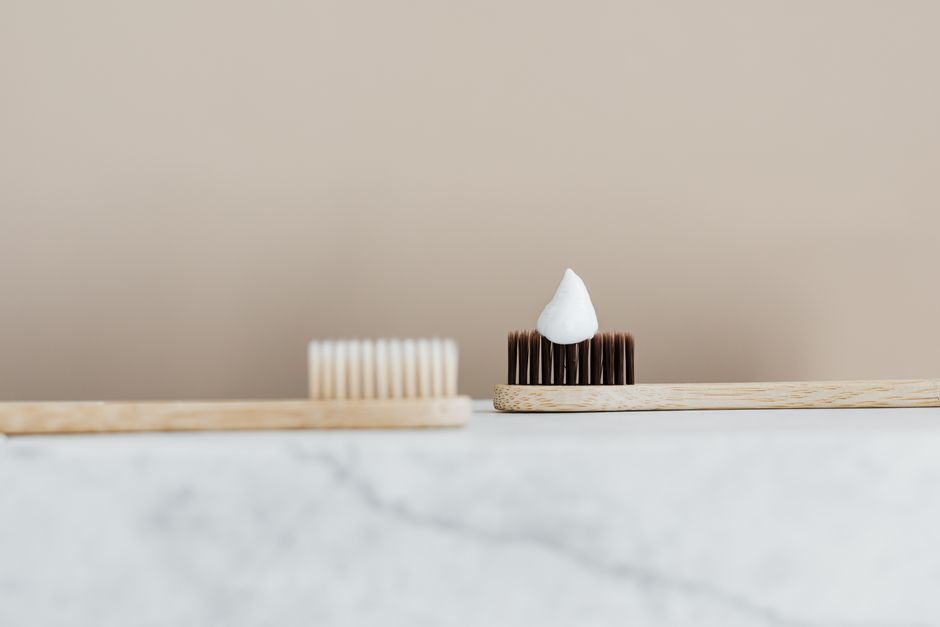
Switch to a soft-bristled toothbrush if you have not already. Medium and firm bristles are too harsh for most people and will continue to remove enamel. Brush with gentle, circular motions rather than sawing back and forth. Many people are surprised to learn that brushing harder does not clean better. It just damages teeth.
Pay attention to your diet during this time. Acidic foods weaken enamel temporarily. If you drink something acidic, wait at least 30 minutes before brushing your teeth. Brushing immediately after acid exposure spreads the acid around and scrubs the softened enamel away. Rinsing with water after acidic foods can help neutralize the pH in your mouth.
For immediate relief, some people find that applying a small amount of desensitizing toothpaste directly to the sensitive area and leaving it for a minute before rinsing helps. This is not a cure. It just gives the active ingredients more time to work on the exposed area.
Can You Remineralize Enamel At Home?
Enamel is the hardest substance in the human body, but it is not living tissue. It contains no cells and cannot repair itself once it is lost. What you can do is strengthen the enamel that remains. This process is called remineralization.
Fluoride is the most proven tool for this. It promotes the uptake of calcium and phosphate into the enamel surface, making it more resistant to acid attacks. Most tap water in the US contains fluoride. Most toothpaste does too. Some people use a fluoride mouth rinse once a day for extra protection. If you have significant sensitivity, your dentist can apply a professional fluoride varnish that coats the teeth and provides longer-lasting protection.
Products containing nano-hydroxyapatite, a synthetic form of the mineral that makes up tooth enamel, are becoming common in toothpaste. Some research suggests they can help plug exposed dentin tubules and reduce sensitivity. The evidence is promising but not as extensive as the evidence for fluoride. These products are a reasonable option if you prefer to avoid fluoride, but they are not a substitute for professional dental care if you have structural damage.



When To See A Dentist For Tooth Sensitivity
Home care only goes so far. If you have used a desensitizing toothpaste for several weeks and the pain persists, you need a dental exam. Sensitivity that does not improve often signals a problem that toothpaste cannot fix.
A dentist can identify the specific cause. If you have a cavity, the decay needs to be removed and the tooth restored with a filling. If you have a cracked tooth, it may need a crown. If your gums have receded, a procedure called a gum graft can cover the exposed root. In severe cases, your dentist may recommend a root canal. This sounds intimidating, but it completely eliminates the pain by removing the nerve that is causing it.
Do not wait if the sensitivity is severe or comes with other symptoms. Pain that lingers after the stimulus is removed, pain that wakes you at night, or swelling around the tooth are signs of a deeper problem. These symptoms can indicate nerve damage or an infection that requires prompt treatment.
Do Home Remedies For Sensitive Teeth Actually Work?
Social media is full of home remedies for tooth sensitivity. Salt water rinses, clove oil, and coconut oil pulling are the most common. The evidence for most of these is limited.
Salt water rinses can help if your gums are inflamed. The salt draws fluid out of swollen tissue and can temporarily reduce discomfort. It does nothing to address the underlying cause of sensitivity. Clove oil contains eugenol, which has numbing properties. Applying a tiny amount to a sensitive tooth can provide short-term pain relief, but it is not a treatment for the cause. Oil pulling has no strong evidence behind it for tooth sensitivity. It will not restore enamel or block dentin tubules.
These remedies are not dangerous in moderation, but they are not replacements for real treatment. If you are relying on them to manage pain, you are likely masking a problem that needs professional attention.
Can Tooth Sensitivity Be Prevented?
Most sensitivity can be prevented with consistent habits. Use a soft toothbrush and gentle pressure. Brush for two minutes twice a day. Floss daily to keep your gums healthy and prevent recession. Limit acidic foods and drinks, and rinse with water after consuming them.
If you grind your teeth, talk to your dentist about a night guard. Grinding is a major cause of enamel loss that many people do not know they have. A custom-fitted guard protects your teeth while you sleep. Over-the-counter guards are cheaper but less precise and may not fit well enough to protect all your teeth.
Regular dental cleanings matter here too. Your dentist can spot early signs of enamel wear or gum recession before they become painful. Catching these problems early is far easier than treating them after the pain starts.
Is Sensitive Toothpaste Safe For Long-Term Use?
Yes. Desensitizing toothpastes are safe for daily, long-term use. The active ingredients in them work locally on the teeth and do not enter the bloodstream in meaningful amounts. They are no more dangerous than regular toothpaste.
The main downside is cost. Desensitizing toothpastes often cost more than standard brands. Some people find them less foamy or different in taste, but these are minor issues. If a particular brand does not work after a few weeks, try a different active ingredient. Potassium nitrate and stannous fluoride work through different mechanisms. If one does not help, the other might.
Frequently Asked Questions
Does salt water help tooth sensitivity?
Salt water can temporarily reduce gum inflammation, which may ease some discomfort. It will not block exposed dentin tubules or restore lost enamel.
How long does desensitizing toothpaste take to work?
Most people notice improvement within two to four weeks of consistent twice-daily use. If you see no change after that, see your dentist.
Can tooth sensitivity go away on its own?
Mild sensitivity from recent dental work or a temporary acid attack can resolve on its own. Sensitivity from enamel loss or gum recession will not improve without intervention.
Is it better to use a soft or hard toothbrush for sensitive teeth?
Always use a soft toothbrush. Hard and medium bristles remove enamel and make sensitivity worse over time.
