
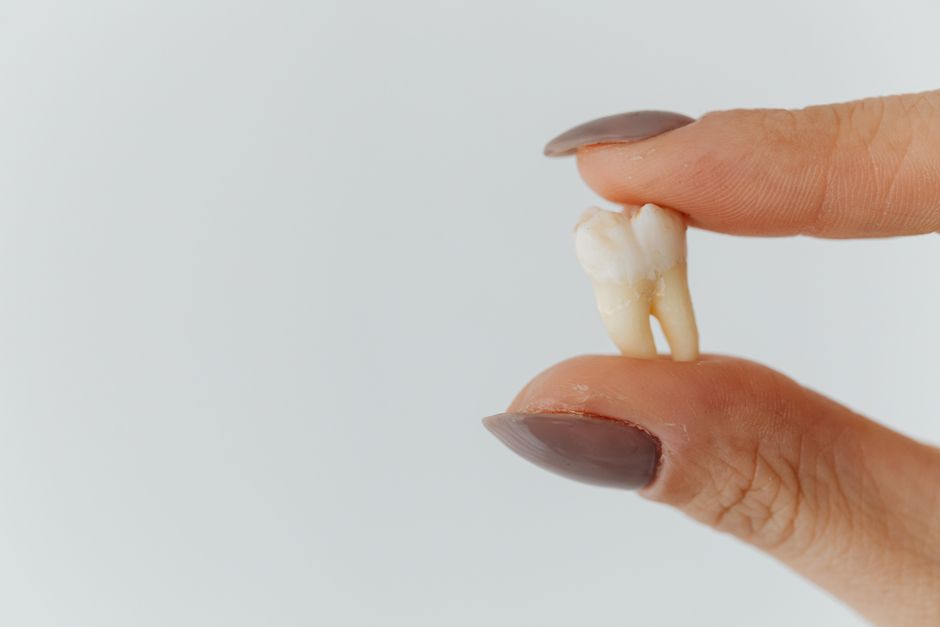
Tooth sensitivity to heat alone, without cold sensitivity, often points to a specific problem inside the tooth rather than just worn enamel. Most people with sensitive teeth react to both hot and cold, so one-sided heat sensitivity is a red flag. The most common cause is that the nerve inside your tooth is irritated or dying, a condition dentists call irreversible pulpitis. Heat makes the nerve swell inside the hard tooth walls, and that pressure causes sharp pain. Cold usually does not trigger it because the nerve is already inflamed and responds differently to temperature changes. If this sounds like what you are feeling, it is worth paying attention to — it often means the tooth needs professional care.
What Causes Tooth Sensitivity to Heat But Not Cold?
The nerve inside your tooth, called the pulp, contains blood vessels and nerve fibers. When that pulp becomes inflamed, heat can make the inflammation worse. The tooth is a hard shell with no room to expand, so the pressure builds quickly. That is the sharp, throbbing pain you feel when you drink hot coffee or eat hot soup.
Cold sensitivity is different. A healthy tooth might ache briefly from cold because the fluid in the tubules shrinks and pulls on the nerve. But when the pulp is already in trouble, cold can sometimes actually calm it down. Some people with pulpitis report that cold water feels good on the tooth. That is a classic sign that the nerve is struggling. Research published in the Journal of Endodontics has shown that pain lasting more than a few seconds after a hot stimulus is a strong indicator of irreversible pulpitis.
Other causes include a deep cavity that has reached the pulp, a cracked tooth that exposes the nerve to heat, or recent dental work that has irritated the pulp. In rare cases, sinus infections can make upper teeth feel sensitive to heat because the sinus pressure mimics tooth pain. But true heat-only sensitivity usually starts inside the tooth itself.
Is Heat-Sensitive Tooth Pain a Dental Emergency?
Heat sensitivity that comes and goes is not always an emergency, but it is a sign you need to see a dentist soon. The American Association of Endodontists states that pain triggered by heat and lasting 30 seconds or more after the stimulus is removed is a strong sign of irreversible pulpitis. This condition does not heal on its own. The nerve tissue is slowly dying, and the only way to stop the pain is to remove the nerve through root canal therapy or extract the tooth.
If the pain wakes you up at night or happens without any trigger, that is more urgent. Spontaneous pain means the pressure inside the tooth has become severe. Waiting too long can lead to an abscess, which is an infection at the root tip. An abscess can cause swelling, fever, and even spread to other parts of your body. If you notice swelling in your face or gum near the painful tooth, do not wait — see a dentist within 24 hours.
Some people try to ignore heat sensitivity because it comes and goes. But the underlying problem rarely improves. The nerve either dies completely, which may stop the pain temporarily, or it becomes infected. Neither outcome is good for your long-term health.
Why Is My Tooth Sensitive To Hot But Not Cold and What Does Research Show?
Research has clarified why heat sensitivity differs from cold sensitivity in dental pulp problems. A study in International Endodontic Journal found that inflamed pulp tissue has a higher metabolic rate and produces more gas. Heat increases that metabolic activity, raising pressure inside the tooth. Cold, on the other hand, can slow down the metabolic rate and temporarily reduce pressure. That is why some people with pulpitis actually prefer cold drinks.
The diagnostic value of heat testing is well established. Dentists use a heated gutta-percha stick or warm water to test a tooth’s response. If the tooth reacts strongly to heat and the pain lingers, it is a reliable sign that the pulp is irreversibly damaged. Cold testing with ice or refrigerant spray is also used, but a normal cold response does not rule out pulpitis. The key finding in the research is that heat sensitivity combined with lingering pain has a high predictive value for needing root canal treatment.
One non-obvious insight from dental research is that heat sensitivity can sometimes be the only symptom of a cracked tooth. Cracks can be invisible to the naked eye and may not show on X-rays. When you bite down or drink something hot, the crack opens slightly and irritates the pulp. Cold may not trigger the same movement. If your dentist cannot find a cavity or obvious pulp problem, they may look for a crack using a special dye or microscope.





What Are the Treatment Options for Heat-Sensitive Teeth?
Treatment depends entirely on the cause. If the problem is a deep cavity that has reached the pulp, the dentist will need to remove the decay and assess whether the pulp can be saved. In some cases, a pulp cap or partial removal of the inflamed pulp can work. But if the pain is strong and lingers after heat, a root canal is usually the right choice. Root canal therapy removes the damaged nerve and blood supply, cleans the inside of the tooth, and seals it. The tooth becomes non-vital but can still function normally with a crown.
If a cracked tooth is the cause, the treatment depends on the crack depth. Surface cracks can sometimes be bonded or crowned. Deep cracks that extend below the gum line often require extraction because they cannot be sealed properly. There is no home remedy that fixes a cracked tooth or pulpitis. Over-the-counter pain relievers like ibuprofen can help with inflammation temporarily, but they do not solve the underlying problem.
For temporary relief while waiting for your dental appointment, avoid hot foods and drinks on that side. Stick to lukewarm or cool foods. Do not chew on the sensitive tooth. Some people find that a cold compress on the cheek helps if there is swelling. But these are short-term measures only. The real solution requires a dentist to diagnose and treat the cause.
Can You Prevent Tooth Sensitivity to Heat?
Prevention starts with good oral hygiene and regular dental checkups. Cavities do not cause pain until they are deep. A dentist can spot a cavity when it is small and treat it with a filling before it reaches the pulp. That is the best way to avoid heat sensitivity from decay. The CDC reports that nearly 1 in 4 US adults has untreated tooth decay. Regular exams catch these problems early.
Grinding your teeth at night can also lead to cracks and pulp problems. If you wake up with jaw pain or notice flattened teeth, ask your dentist about a night guard. Grinding puts enormous pressure on teeth, and over time it can cause microscopic cracks that let heat reach the nerve. A custom-fitted guard from your dentist is more effective than over-the-counter boil-and-bite options.
Avoid habits that can crack teeth, like chewing ice, popcorn kernels, or hard candy. These foods create sudden stress points that can fracture enamel. If you play contact sports, wear a mouthguard. Protecting your teeth from trauma is one of the simplest ways to prevent pulp damage and the heat sensitivity that comes with it.
What to Avoid When You Have Heat Sensitivity
Do not use desensitizing toothpaste marketed for cold sensitivity. These toothpastes work by blocking tubules in the enamel, but they do nothing for pain coming from inside the tooth. Using them can give you a false sense that you are treating the problem when the pulp is still dying. You might delay getting the care you actually need.
Avoid placing aspirin or any painkiller directly on the gum near the tooth. This old home remedy can cause a chemical burn on your gum tissue. It does not reach the nerve inside the tooth. The American Dental Association warns against this practice because it damages soft tissue without relieving the tooth pain.
Do not ignore the pain and hope it goes away. Heat sensitivity that comes and goes often gets worse. The nerve may die, which can stop the pain temporarily, but the dead tissue can become infected. An abscess can form without you feeling much pain at first. By the time swelling appears, the infection may be more difficult to treat.
| Symptom | Likely Cause | Typical Treatment |
|---|---|---|
| Sharp pain with hot, no pain with cold | Irreversible pulpitis or cracked tooth | Root canal or crown |
| Brief ache with cold only | Reversible pulpitis or worn enamel | Desensitizing toothpaste, filling |
| Pain with both hot and cold | Moderate pulp inflammation | Depends on severity; may need root canal |
| No pain with hot, pain with cold | Gum recession or enamel erosion | Fluoride treatment, bonding |
Frequently Asked Questions
Can a sinus infection cause heat-sensitive teeth?
Yes, sinus infections can make upper teeth feel sensitive to heat because the sinus pressure pushes on the tooth roots. But true pulpitis usually causes sharper, more localized pain that lingers after the heat is removed.
How long does heat sensitivity last before the nerve dies?
It varies from days to weeks. Once the nerve dies completely, the heat pain often stops, but the tooth is now at high risk for infection. You still need treatment even if the pain goes away.
Will a root canal stop heat sensitivity completely?
Yes, root canal therapy removes the nerve so the tooth cannot feel temperature anymore. The tooth becomes non-vital but remains functional with a crown. The surrounding gum may still feel normal.
Can I use ice water to test if my tooth needs a root canal?
Ice water testing is not reliable for diagnosing pulpitis. If cold water actually soothes the tooth while hot water hurts, that is a strong sign of irreversible pulpitis. But only a dentist can confirm the diagnosis with proper testing.
