
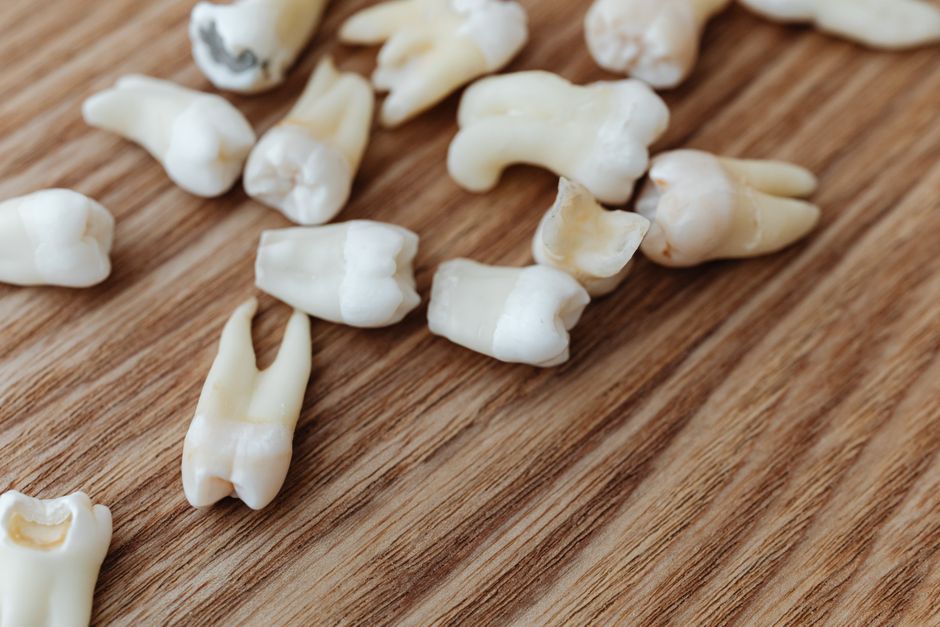
Tooth decay is the destruction of your tooth’s hard surface caused by acids from bacteria in your mouth. These bacteria feed on sugars from food and drink, producing acid that eats away at enamel over time. If left untreated, the damage can reach deeper layers of the tooth, leading to pain, infection, and even tooth loss.
What Causes Tooth Decay to Start?
Tooth decay begins with a process that happens in your mouth every day. Your mouth naturally contains hundreds of types of bacteria. Some of them are helpful, but others, like Streptococcus mutans, thrive on sugar.
When you eat or drink something with sugar or simple carbohydrates, these bacteria feed on it. They produce acid as a waste product. That acid sticks to your teeth in a sticky film called plaque. If plaque sits on your teeth long enough, the acid starts to dissolve the minerals in your enamel.
This is called demineralization. At first, it is reversible. Your saliva helps repair the damage naturally by providing minerals like calcium and phosphate. But if acid attacks happen too often, the repair process cannot keep up. A small hole, or cavity, forms.
The Centers for Disease Control and Prevention reports that about 90% of adults over age 20 have had at least one cavity. This is not a rare problem. It is one of the most common chronic diseases in the United States.
What Are the Stages of Tooth Decay?
Tooth decay does not happen all at once. It moves through stages, and the earlier you catch it, the easier it is to treat.
Stage 1: Demineralization. The first sign is a white spot on your tooth. This is where minerals have been lost. At this point, the damage can still be reversed with fluoride and good oral hygiene.
Stage 2: Enamel Decay. If demineralization continues, the white spot turns into a small cavity. The enamel has broken down. A dentist can fill this cavity. The decay has not reached the inner layers yet.
Stage 3: Dentin Decay. The decay reaches the dentin, the layer under the enamel. Dentin is softer than enamel, so the decay spreads faster here. You may start to feel sensitivity to hot, cold, or sweet foods.
Stage 4: Pulp Damage. The decay reaches the pulp, which contains nerves and blood vessels. This causes inflammation and pain. At this stage, a root canal may be needed to save the tooth.
Stage 5: Abscess. The infection spreads beyond the tooth into the surrounding bone and tissue. This causes severe pain, swelling, and can be dangerous if the infection enters your bloodstream. A dentist must treat this immediately.
Who Is Most at Risk for Tooth Decay?
Anyone can get tooth decay, but some factors raise your risk significantly.
- Frequent sugar intake. Every time you eat sugar, bacteria produce acid for about 20 minutes. If you sip sugary drinks all day, your teeth are under constant acid attack.
- Poor oral hygiene. Not brushing twice a day or flossing lets plaque build up and harden into tartar, which only a dentist can remove.
- Dry mouth. Saliva is your mouth’s natural defense. It washes away food and neutralizes acid. Medications, aging, and some medical conditions can reduce saliva flow.
- Acid reflux. Stomach acid that reaches your mouth can erode enamel directly, making decay more likely.
- Age. Older adults often have receding gums, which exposes the softer root surfaces of teeth to decay.
Research published in the Journal of Dental Research found that people who consume sugar more than six times per day have significantly higher rates of cavities than those who limit sugar to mealtimes only. Frequency matters more than total amount.





What Are the Early Signs of Tooth Decay?
Tooth decay does not always cause pain at first. Many people do not know they have a cavity until a dentist finds it during a checkup. But there are some early signs you can notice.
The most common early sign is a white spot on your tooth. This is a chalky area where minerals have been lost. It may be hard to see without a mirror or good light. Another early sign is sensitivity to sweet foods or drinks. If eating candy makes a tooth ache briefly, that tooth may have early decay.
As decay progresses, you may feel sensitivity to hot or cold temperatures. You might also see a visible hole or dark spot on your tooth. Bad breath or a bad taste in your mouth can also be a sign that decay is present.
A study in the journal Caries Research found that about 40% of adults with early tooth decay had no symptoms at all. This is why regular dental visits matter. A dentist can spot decay before you feel anything.
How Do Dentists Diagnose and Treat Tooth Decay?
Dentists diagnose tooth decay using several methods. They start with a visual exam. They look for white spots, dark spots, or holes on your teeth. They also use a dental probe to feel for soft spots on the enamel.
X-rays are a key tool. They can show decay between teeth and under existing fillings that is not visible to the naked eye. The American Dental Association recommends bitewing X-rays every one to two years for most adults.
Treatment depends on how advanced the decay is.
| Stage of Decay | Treatment |
|---|---|
| White spot (demineralization) | Fluoride treatment, better oral hygiene, dietary changes |
| Small cavity in enamel | Dental filling (composite, amalgam, or glass ionomer) |
| Decay in dentin | Larger filling or inlay/onlay |
| Pulp involvement | Root canal therapy |
| Abscess or severe damage | Root canal or tooth extraction |
For early decay, fluoride varnish applied by a dentist can help remineralize the tooth. For cavities, the dentist removes the decayed tissue and fills the space. For severe cases, a crown may be needed to protect the remaining tooth structure.
Can You Reverse Tooth Decay Naturally?
This is a question that gets a lot of attention online, and the answer depends on how far the decay has progressed. At the white spot stage, yes, you can reverse it. The tooth can remineralize if you remove the cause and give it the minerals it needs.
Fluoride is the most proven tool for remineralization. The CDC calls community water fluoridation one of the ten great public health achievements of the 20th century. Using fluoride toothpaste, drinking fluoridated water, and getting professional fluoride treatments can all help reverse early decay.
Some studies suggest that other minerals like calcium phosphate and xylitol may also help. But the evidence is not as strong as it is for fluoride. There is no clinical evidence that coconut oil pulling, vitamin D supplements alone, or special diets can reverse an established cavity.
Once a cavity has formed a physical hole in the enamel, it cannot heal on its own. The body cannot replace lost enamel. At that point, only a dentist can treat it. Claims that you can “heal” a cavity with diet alone are not supported by evidence.
What Is the Best Way to Prevent Tooth Decay?
Prevention is straightforward, but it requires consistency. The American Dental Association recommends these steps.
- Brush twice a day with fluoride toothpaste. Use a soft-bristled brush. Brush for two full minutes.
- Floss once a day. Brushing alone does not clean the spaces between teeth.
- Limit sugar to mealtimes. Avoid sipping sugary drinks throughout the day.
- Drink fluoridated water. If your tap water is not fluoridated, ask your dentist about fluoride supplements.
- Chew sugar-free gum with xylitol after meals. This stimulates saliva and helps neutralize acid.
- Visit your dentist regularly. Most people need a checkup and cleaning every six months.
Research published in the Journal of the American Dental Association found that people who brush twice a day reduce their risk of cavities by about 30% compared to those who brush once a day. Flossing adds another layer of protection by removing plaque from areas a toothbrush cannot reach.
Common Misconceptions About Tooth Decay
There are many myths about tooth decay that lead people to make choices that do not help. Here are a few that the evidence does not support.
Myth: Sugar is the only cause. Sugar is the fuel, but bacteria and acid are the direct cause. Cutting sugar helps, but if plaque is not removed, decay can still happen even with a low-sugar diet.
Myth: Cavities always hurt. Many cavities cause no pain until they are deep. Relying on pain to tell you something is wrong means you are waiting too long.
Myth: If your teeth look fine, you do not have decay. Early decay is often invisible to the untrained eye. Only a dentist with X-rays can reliably find it.
Myth: You can reverse a cavity with diet alone. As discussed, once enamel is physically broken, it cannot heal. Diet can help prevent new decay but cannot fix existing cavities.
Myth: Tooth decay is inevitable as you age. It is common, but not inevitable. With good oral hygiene and regular dental care, many people keep their natural teeth for life.
Frequently Asked Questions
Can tooth decay spread to other teeth?
Tooth decay itself does not spread from tooth to tooth like an infection. But the bacteria that cause decay can move to other teeth if you do not clean your mouth properly.
How fast does tooth decay progress?
It varies widely. In some people, a cavity can form in months. In others, the process takes years. Frequency of sugar exposure and oral hygiene habits are the biggest factors.
Is tooth decay reversible without a dentist?
Only the earliest stage, a white spot, can be reversed without a dentist. Once a cavity forms, you need professional treatment. No home remedy can fill a hole in your tooth.
Does tooth decay cause bad breath?
Yes. The bacteria that cause decay produce sulfur compounds that cause bad breath. A cavity can also trap food particles, which adds to the smell.
