
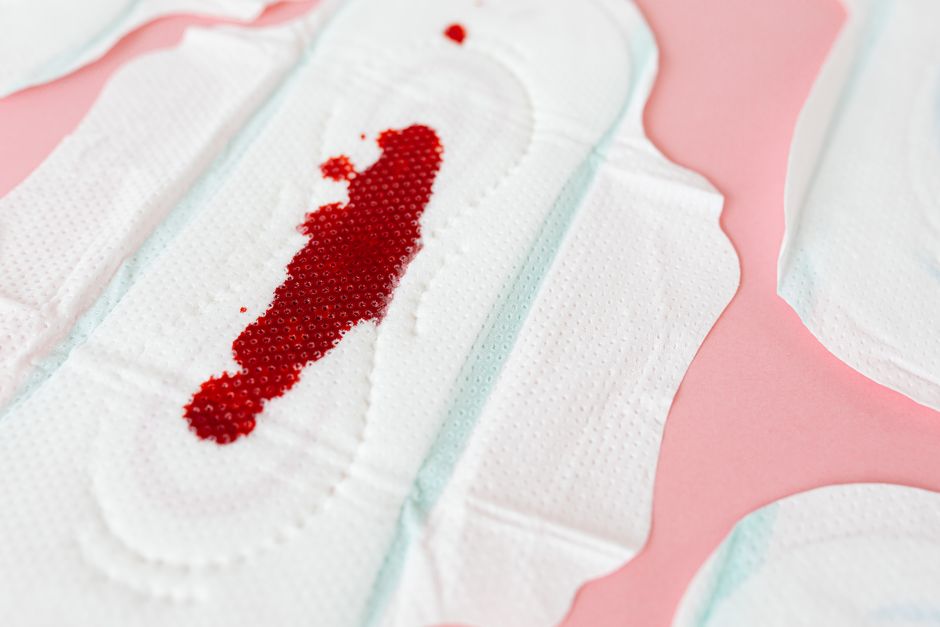
Most people who are told to fast before blood work assume it means skipping breakfast and showing up whenever they can. In reality, the fasting window, what you drink, and the timing of your appointment all affect your results. For a standard fasting lipid panel or glucose test, you typically need 8 to 12 hours with no food and no drinks other than water. Only water is allowed during that window. If you take prescription medications, ask your clinician before skipping any dose.
How To Fast For Blood Work Timing And Rules
A fasting blood test works because certain measurements shift after you eat. Glucose rises. Triglycerides rise, sometimes dramatically. Insulin climbs. If you eat before the draw, the lab cannot tell whether a high number reflects your baseline physiology or the meal you just ate.
The standard fasting window is 8 to 12 hours. Many labs and clinical guidelines use this range for lipid panels and fasting glucose. Going longer than 12 hours is not better. In fact, fasting longer than about 16 hours can raise free fatty acids and affect some results in the opposite direction.
Water is allowed and encouraged. Being dehydrated makes veins harder to find and can slightly concentrate some blood components. Drink normally. Do not force extra water.
Black coffee is a gray area. Some labs say plain black coffee is fine. Others say no. Caffeine can affect certain hormones and metabolites, and coffee itself contains compounds that may interfere with a small number of assays. The safe move: skip it until after the draw. If your clinician says black coffee is fine for your specific test, follow that.
Timing matters as much as duration. Book a morning appointment when possible. Fasting from 8 p.m. the night before to an 8 a.m. draw gives you a clean 12-hour window. Fasting from 8 p.m. to a 3 p.m. draw the next day means 19 hours without food, which is outside the standard range and may alter results.
What Can You Drink While Fasting For Blood Work?
Water is the only drink that is universally accepted during a fasting window. Everything else needs scrutiny.
- Water — allowed, encouraged, no limits
- Black coffee — sometimes allowed, varies by lab and test
- Plain tea — same gray area as black coffee
- Juice, soda, sports drinks — not allowed, contain sugar
- Coffee with milk, cream, or sugar — not allowed, breaks the fast
- Alcohol — not allowed, affects triglycerides and liver enzymes
- Gum, mints, hard candy — not allowed, even sugar-free gum can trigger a small insulin response
Some people are surprised that sugar-free gum is off the table. The chewing action and sweet taste can trigger a cephalic insulin response in some people, and the sweeteners themselves may interfere with certain tests. It is not worth the risk of an inaccurate result.
If you take medications with water, that is generally fine. But check with your prescriber about whether any of your medications need to be taken with food or held before the test.
What Happens If You Accidentally Eat Before Blood Work?
Tell the phlebotomist or your clinician. Do not pretend you fasted. A false result is worse than a rescheduled appointment.
Depending on what you ate and which tests were ordered, your clinician may:
- Reschedule the test for another day
- Run the test anyway and interpret results with caution
- Cancel only the fasting-sensitive tests and run the rest
A small amount of food — a few crackers, a sip of coffee with milk — may or may not meaningfully change your results. A full meal almost certainly will. Triglycerides can rise substantially after a fatty meal and stay elevated for hours. Glucose rises within 10 to 15 minutes of eating.
If you ate and the test still gets run, your clinician will likely note the non-fasting state. Some results can still be useful. Others will need to be repeated.

Which Blood Tests Actually Require Fasting?
Not every blood test requires fasting. This is one of the most common misunderstandings. Many people fast unnecessarily because they assume all blood work requires it.
Tests that typically require fasting:
- Fasting glucose
- Lipid panel (total cholesterol, LDL, HDL, triglycerides)
- Fasting insulin
- Some glucose tolerance tests
- Certain liver function panels when ordered with the above
Tests that generally do not require fasting:
- Complete blood count (CBC)
- Thyroid function tests (TSH, free T4, free T3)
- Most hormone panels
- Vitamin and mineral levels (B12, vitamin D, iron studies)
- Inflammatory markers (CRP, ESR)
- Most kidney function tests
- Hemoglobin A1c
There is an important nuance with lipid panels. Some major guidelines now support non-fasting lipid testing for cardiovascular risk assessment, because the differences in most lipid values between fasting and non-fasting states are modest for many people. However, triglycerides are genuinely affected by recent food intake. Many clinicians still prefer fasting lipid panels, especially when triglycerides are a concern or when the result will guide treatment decisions. Ask your clinician which approach they want for your situation.
Does Fasting Duration Change Your Results?
Yes, and the effect is not always in the direction people expect.
Too short a fast — under 8 hours — and you may still have elevated glucose and triglycerides from your last meal. The test may overestimate your baseline values.
Too long a fast — over 16 hours — and different problems appear. Free fatty acids rise. Some people see changes in glucose metabolism as the body shifts toward ketone production. Triglycerides can actually rise with very prolonged fasting in some individuals. Cortisol patterns shift. The result is a test that no longer reflects your normal daily physiology.
The 8-to-12-hour window exists because it captures a stable metabolic state that is reproducible across people and across repeat tests. That reproducibility is what makes the results useful for tracking changes over time.
For most people, a 10-to-12-hour fast hits the sweet spot. It is long enough to clear the last meal and short enough to avoid the metabolic shifts of prolonged fasting.
How Should You Prepare The Day Before?
What you eat the night before matters. A very high-fat dinner can keep triglycerides elevated into the next morning even after a proper fast.
Eat a normal dinner. Do not try to “make up” for the fast by eating a huge meal. Do not eat a very fatty or very sugary meal either. A balanced dinner with protein, vegetables, and a moderate amount of carbohydrate is a reasonable choice.
Avoid alcohol the night before. Alcohol affects triglycerides, liver enzymes, and glucose metabolism, and those effects can persist for many hours.
Stay hydrated. Drink water throughout the evening and again in the morning. Being well hydrated makes the draw easier and helps ensure a clean sample.
Get normal sleep. Sleep deprivation affects cortisol, glucose, and appetite hormones, and those shifts can show up in your results.
Avoid strenuous exercise in the 24 hours before the test. Intense exercise can raise certain muscle enzymes and affect several blood markers, including some liver and kidney values.
What About Medications And Supplements?
Do not stop any prescription medication before a blood test unless your prescriber tells you to. This is one of the most important rules and one of the most commonly violated.
Some medications are taken with food. Some are timed to specific hours. Some affect blood test results directly. Your prescriber knows your situation and can tell you what to do.
Take medications with water if you are allowed to take them. If a medication must be taken with food, ask whether the test can be scheduled differently or whether the timing of the dose can be adjusted.
Supplements are a different story. Many supplements can interfere with blood tests. Biotin, for example, is well known to interfere with several immunoassays, including thyroid and cardiac tests, and the interference can be significant at high doses. Vitamin C can affect glucose measurements. Herbal supplements can affect liver enzymes.
Tell your clinician about every supplement you take, including doses. They may ask you to stop certain ones for a few days before the test. Do not stop anything on your own without checking first.
Common Mistakes That Ruin Fasting Blood Work
Small errors cause most repeat tests. Knowing them helps you avoid a wasted trip.
- Drinking coffee with cream or sugar — breaks the fast
- Chewing gum or sucking on mints — triggers a small insulin response
- Fasting too long because of a late appointment — pushes you past the useful window
- Eating a heavy dinner the night before — keeps triglycerides elevated
- Drinking alcohol the night before — affects multiple markers
- Exercising hard the day before — affects muscle and liver enzymes
- Skipping prescribed medications without asking — can be dangerous and skews results
- Not drinking water — makes the draw harder and can concentrate some values
If you are unsure about any of these, call the lab or your clinician’s office before the appointment. A two-minute phone call prevents a repeat test.
Frequently Asked Questions
Can I drink water while fasting for blood work?
Yes. Water is allowed and encouraged during a fasting window. Staying hydrated makes the blood draw easier and does not affect standard fasting test results.
How many hours do you need to fast for a blood test?
Most fasting blood tests require 8 to 12 hours without food. Only water is allowed during that window. Fasting longer than 16 hours can actually alter some results.
Can I drink black coffee before fasting blood work?
It depends on the lab and the specific test. Some labs allow plain black coffee, while others do not. The safest choice is to skip it until after your blood is drawn.
What happens if I accidentally eat before a fasting blood test?
Tell the phlebotomist or your clinician before the draw. They may reschedule the test, run it with a note about the non-fasting state, or cancel only the fasting-sensitive tests.
