
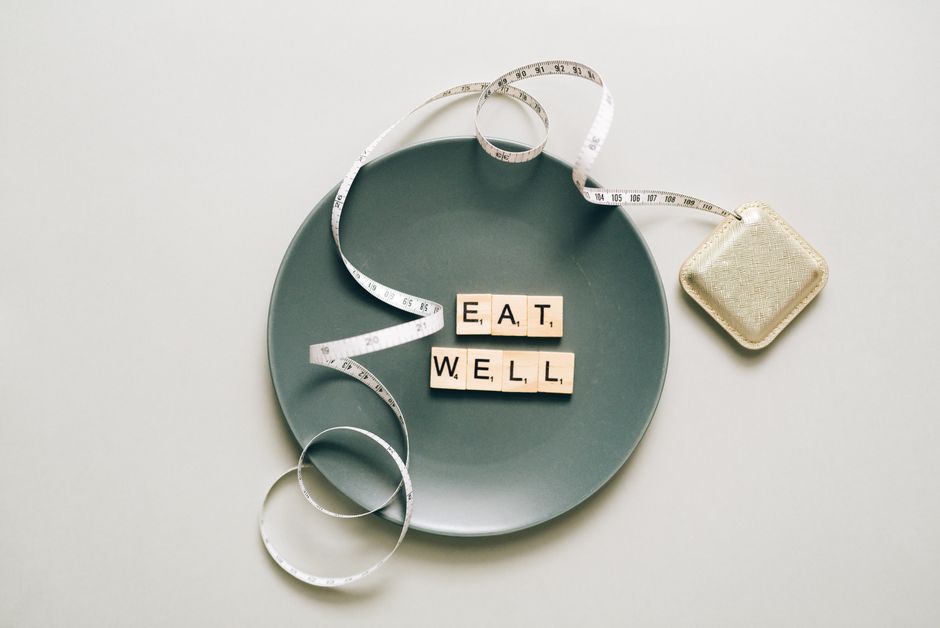
Most fasting blood tests require 8 to 12 hours without eating. For a standard lipid panel or glucose test, that usually means nothing but water after about 9 or 10 p.m. if your blood draw is first thing in the morning. Some tests need no fasting at all, and a few need up to 12 hours. The exact window depends entirely on what your doctor ordered.
That single number — 8 to 12 hours — covers the large majority of routine fasting labs. But the details matter more than the range itself. Fasting too long can distort results just as much as not fasting long enough. So can coffee, gum, and certain medications. Here is what actually happens during a fast, which tests need one, and where people most often get it wrong.
How Long Do You Have To Fast For Blood Work?
The standard fasting window is 8 to 12 hours before the blood draw. Most clinicians land on 10 to 12 hours as the sweet spot for lipid panels and glucose testing. Fasting longer than 12 hours is not better — it can actually push some values in the wrong direction.
Here is why the upper limit matters. After roughly 12 to 14 hours without food, the body begins breaking down stored fat for energy. That process, called lipolysis, releases glycerol and free fatty acids into the bloodstream. Triglyceride levels can start to shift. Some research indicates that fasting beyond about 16 hours can affect certain lipid measurements, though the effect varies by person and by test.
The practical takeaway: an 8-hour fast is the floor, 12 hours is the ceiling, and 10 to 12 hours is where most labs and clinicians prefer you land. If you eat dinner at 7 p.m. and have your blood drawn at 7 a.m., you are at 12 hours. That works. If you eat at 9 p.m. and draw at 7 a.m., you are at 10 hours. That also works.
What does not work is skipping dinner entirely and showing up at noon the next day. That is an 18-hour fast, and it can produce misleading results.
Which Blood Tests Actually Require Fasting?
Not every blood test needs a fast. This is one of the most common misconceptions. Many people fast unnecessarily because they assume all blood work requires it.
Tests that typically require fasting:
- Lipid panel — measures total cholesterol, LDL, HDL, and triglycerides
- Fasting glucose — screens for diabetes and prediabetes
- Basic metabolic panel — sometimes, depending on what the doctor is evaluating
- Glucose tolerance test — used mainly for diabetes diagnosis and gestational diabetes screening
- Certain insulin and C-peptide tests — used to evaluate insulin resistance
Tests that generally do not require fasting:
- Complete blood count (CBC) — red cells, white cells, platelets
- Thyroid panel — TSH, T3, T4
- Liver function tests — in most cases
- Kidney function tests — creatinine, BUN
- Hemoglobin A1c — reflects average blood sugar over about 2 to 3 months, so a single meal does not change it
- Vitamin and mineral levels — most do not require fasting
- Inflammatory markers — CRP, ESR
- Hormone panels — most do not require fasting
The A1c point is worth pausing on. Because A1c reflects a rolling average of blood sugar over roughly 8 to 12 weeks, what you ate this morning is essentially irrelevant to the result. Fasting for an A1c test accomplishes nothing. This is one of the clearest examples of unnecessary fasting.
That said, individual labs and clinicians sometimes have their own protocols. If you are unsure, the safest move is to call the lab or your doctor’s office and ask specifically about the tests on your order.
What Counts As Fasting — And What Breaks It?
Fasting for blood work means no food and no caloric drinks. Water is fine and encouraged. Everything else needs scrutiny.
Things that break a fast:
- Any food, including a single cracker or piece of fruit
- Coffee or tea with milk, cream, or sugar
- Juice, soda, sports drinks, or any sweetened beverage
- Gum or mints with sugar or calories
- Alcohol
- Protein shakes, smoothies, or meal replacement drinks
Things that generally do not break a fast:
- Plain water
- Black coffee or plain tea — though this is debated and some labs prefer you skip it
- Prescribed medications taken with water — but check with your doctor first
The black coffee question comes up constantly. Some research suggests that plain black coffee does not meaningfully alter most routine lab values. But not all studies agree, and individual labs have their own policies. Some clinicians ask patients to skip coffee entirely before a fasting draw. If you want to be safe, water only.
Another point people miss: the fast is not just about what you eat the morning of the test. A very heavy, high-fat meal the night before can still affect triglyceride readings the next morning, even if you fast for 12 hours. A normal dinner is fine. A steakhouse feast is not ideal.


What Happens If You Eat Before A Fasting Blood Test?
If you eat before a fasting blood test, the results may not be valid. The most reliable option is to reschedule. In many cases, the lab or your doctor will ask you to come back another day.
What food does to your blood depends on which test you are getting.
For a fasting glucose test, eating raises blood sugar. A reading that would normally be 90 mg/dL could show up as 130 mg/dL or higher shortly after a meal. That could look like prediabetes or diabetes when nothing is actually wrong.
For a lipid panel, a recent meal — especially one high in fat — can raise triglyceride levels significantly. Triglycerides are the most meal-sensitive lipid measurement. Cholesterol values are somewhat less affected by a single meal, but they can still shift.
For tests that do not require fasting, eating beforehand is not a problem. If you ate and your test did not need a fast, you are fine. If you are not sure whether your test needed a fast, call the lab before assuming the results are invalid.
Do not try to “fix” it by fasting longer next time. The goal is a normal fasting state, not an extreme one.
Does Water Break A Fast?
Plain water does not break a fast. You should drink water normally before a blood draw. Staying hydrated actually makes the draw easier because it plumps your veins.
Dehydration is one of the most common reasons a blood draw takes longer or requires a second stick. Drinking a glass or two of water an hour before your appointment can help. This is genuinely useful and costs nothing.
What about other drinks? Anything with calories breaks the fast. That includes milk in your coffee, a sports drink, or a smoothie. Diet soda is calorie-free but contains artificial sweeteners, and the evidence on whether those affect fasting lab values is limited. Water is the safest choice.
Does Fasting Longer Give Better Results?
No. Fasting longer than 12 hours does not improve accuracy and can make some results harder to interpret.
This is a widespread misunderstanding. People sometimes think that if 10 hours is good, 16 hours must be better. It is not. Beyond about 12 to 14 hours, the body shifts into a more extended fasting state. Fat breakdown accelerates. Free fatty acids rise. Triglyceride measurements can become less reliable. Some glucose readings can drift downward.
For most routine fasting labs, the window between 8 and 12 hours is where the reference ranges were established. Reference ranges — the “normal” values your results are compared against — were largely built from people who fasted within that window. Fasting much longer puts you outside the conditions the ranges were designed for.
The takeaway: aim for 10 to 12 hours. Do not fast all day. Do not skip dinner the night before and wait until the next afternoon.
Practical Tips For A Clean Fasting Blood Draw
Small choices before your appointment can make a real difference in how smooth the process goes and how clean your results are.
- Schedule early. A morning appointment makes the fast easier. You sleep through most of it.
- Eat a normal dinner. Do not fast from lunch the day before. A regular meal the evening before is what the test expects.
- Drink water. Hydration helps the phlebotomist find a vein.
- Take medications as directed. Do not skip prescribed medications unless your doctor specifically told you to. Ask before your test if you are unsure.
- Skip alcohol the night before. Alcohol can affect liver enzymes, triglycerides, and blood sugar.
- Avoid strenuous exercise right before. Intense exercise can temporarily raise certain enzymes and affect some results.
- Bring your lab order. Confirm which tests are on it so you know whether fasting was even required.
One more thing: if you accidentally eat something and realize it before your appointment, call the lab. In many cases they will simply reschedule you. It is a minor inconvenience, not a disaster. Showing up and hoping nobody notices is worse — you may end up with results that lead to unnecessary follow-up testing or a misread of your health.
Frequently Asked Questions
Can I drink coffee before a fasting blood test?
Black coffee without sugar or cream may not affect most routine lab values, but the evidence is mixed and many labs ask you to skip it. Water is the safest choice if you want to avoid any chance of an invalid result.
What happens if I accidentally eat before my fasting blood test?
Your results may not be valid, especially for glucose and triglyceride measurements. Call the lab or your doctor’s office — they will usually reschedule the draw for another day.
Is 8 hours enough to fast for blood work?
Eight hours is the minimum for most fasting tests, but 10 to 12 hours is preferred for lipid panels and glucose testing. Fasting longer than 12 hours can actually distort some results.
Do I need to fast for a cholesterol test?
Historically yes, but guidance has shifted. Some current recommendations allow non-fasting lipid testing for most adults, though many clinicians still prefer a fasting sample, especially if triglycerides are a concern. Follow whatever instructions your doctor gives you.
