
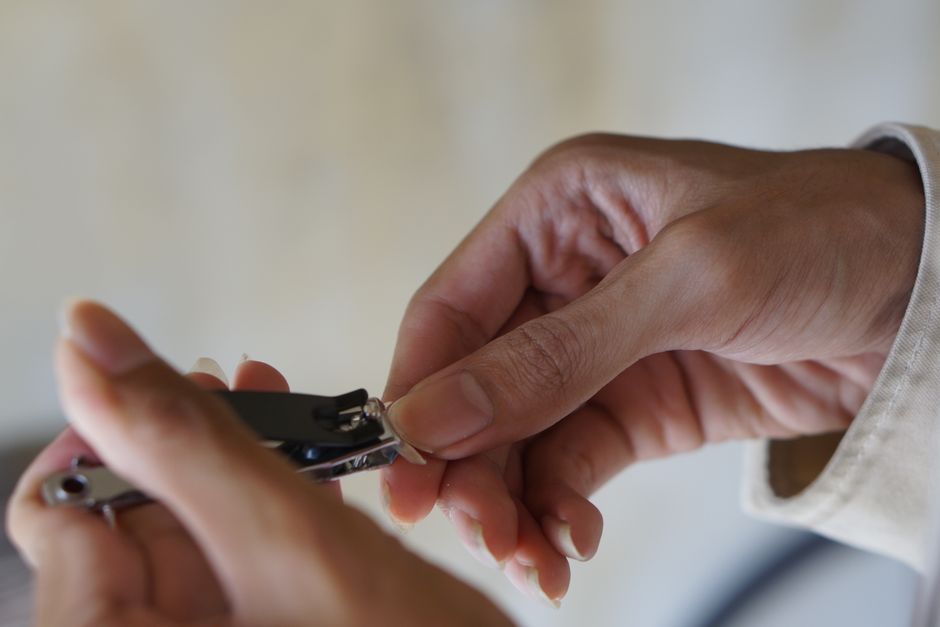
Nail clippers can spread fungus if you do not clean them right. The short answer on bleach vs alcohol: both kill fungus when used correctly, but rubbing alcohol (70% isopropyl) is the better everyday choice. It works fast, does not rust your tools, and kills most fungi within seconds. Bleach works too but can damage metal over time and needs careful rinsing. For nail fungus, you want a method that actually kills the spores without ruining your clippers.
Does Bleach Kill Nail Fungus on Clippers?
Yes, bleach kills nail fungus. Research shows that sodium hypochlorite — the active ingredient in household bleach — destroys fungal cells on contact. It is a strong disinfectant that has been used in medical settings for over a century.
But there is a catch. Bleach is corrosive to metal. Nail clippers are usually made of stainless steel. Even stainless steel can rust or pit if soaked in bleach too long. You also need to rinse bleach off completely. If any residue stays on your clippers, it can irritate your skin or nail bed next time you use them.
If you choose bleach, use a 1:10 dilution — one part bleach to nine parts water. Soak for 10 minutes max. Then rinse thoroughly with water and dry immediately. Do not soak overnight. That is how clippers get ruined.
Does Rubbing Alcohol Kill Nail Fungus on Clippers?
Rubbing alcohol kills nail fungus too. Studies have found that 70% isopropyl alcohol inactivates most fungi within 30 seconds to one minute. It evaporates quickly, which means no rinsing needed. It also does not rust metal like bleach can.
The 70% concentration matters. Higher percentages like 91% or 99% actually evaporate too fast to kill everything. The water in 70% alcohol helps it penetrate fungal cells. So stick with 70% isopropyl alcohol for the best results.
Alcohol is gentler on your clippers than bleach. It will not cause rust or pitting even with regular use. That makes it the better option for weekly or daily cleaning.
How To Clean Nail Clippers From Fungus Bleach Vs Alcohol — Step by Step
Here is a direct comparison of both methods. Use whichever fits your situation better.
| Step | Bleach Method | Alcohol Method |
|---|---|---|
| 1. Clean first | Wash clippers with soap and water to remove visible dirt and nail debris | Wash clippers with soap and water to remove visible dirt and nail debris |
| 2. Soak | Soak in 1:10 bleach-water solution for 10 minutes | Soak in 70% isopropyl alcohol for 5-10 minutes |
| 3. Rinse | Rinse thoroughly under running water | No rinsing needed — alcohol evaporates |
| 4. Dry | Dry completely with a clean cloth or paper towel | Let air dry or wipe with a clean cloth |
| 5. Store | Store in a dry place | Store in a dry place |
Both methods kill fungus effectively. The alcohol method is simpler and safer for your clippers. The bleach method works but requires more care to avoid damage.

What About Boiling or Fire?
Some people recommend boiling nail clippers or passing them through a flame. Boiling water at 212°F does kill fungi. But it can also dull the cutting edge of your clippers over time. The heat can warp the metal or loosen the hinge.
Fire is even worse. Holding clippers over a flame can damage the temper of the steel. That makes them soft and less effective at cutting nails cleanly. You also risk burning yourself or starting a fire. Do not do this.
Stick with chemical disinfection. It is safer, easier, and just as effective when done correctly.
How Often Should You Clean Nail Clippers?
If you have an active nail fungus infection, clean your clippers after every single use. Fungal spores can live on surfaces for months. Using dirty clippers on healthy nails can spread the infection to other toes or fingers.
If you do not have a current infection, cleaning once a month is reasonable. Some people clean them every time they use them, which is fine too. Over-cleaning with alcohol will not hurt your clippers.
Current research suggests that fungal spores can survive on dry metal surfaces for up to 12 months. That is a long time. Regular cleaning is not optional if you want to avoid reinfection.
Common Mistakes People Make
Many people make the same errors when cleaning nail clippers. Here are the ones to avoid.
- Using too strong a bleach solution. Full-strength bleach damages metal quickly. Always dilute it. A 1:10 ratio is plenty strong enough to kill fungus.
- Not cleaning before disinfecting. Dirt and nail debris can shield fungus from the disinfectant. Wash with soap and water first. Disinfect second. That order matters.
- Wiping alcohol off immediately. Alcohol needs contact time to kill fungus. If you wipe it off right away, the spores may survive. Let it sit for at least 30 seconds. Five minutes is better.
- Storing clippers wet. Moisture helps fungus grow. Even after disinfection, wet clippers can pick up new spores from the environment. Dry them completely before putting them away.
- Sharing nail clippers. This is how fungus spreads between people. Even cleaned clippers carry some risk. If you have an infection, keep your clippers separate from others in your household.
Frequently Asked Questions
Can I use hydrogen peroxide instead of bleach or alcohol?
Yes, hydrogen peroxide can kill nail fungus. Soak clippers in 3% hydrogen peroxide for 10-15 minutes for good results.
Does soaking nail clippers in bleach ruin them?
Yes, if you soak them too long or use full-strength bleach. A 10-minute soak in diluted bleach is safe, but do not do it every day.
How long does fungus live on nail clippers?
Fungal spores can survive on dry metal surfaces for up to 12 months. That is why thorough disinfection after each use is important.
Can I clean nail clippers with just soap and water?
Soap and water remove dirt but do not reliably kill fungal spores. You need a disinfectant like alcohol or bleach to actually kill the fungus.
