
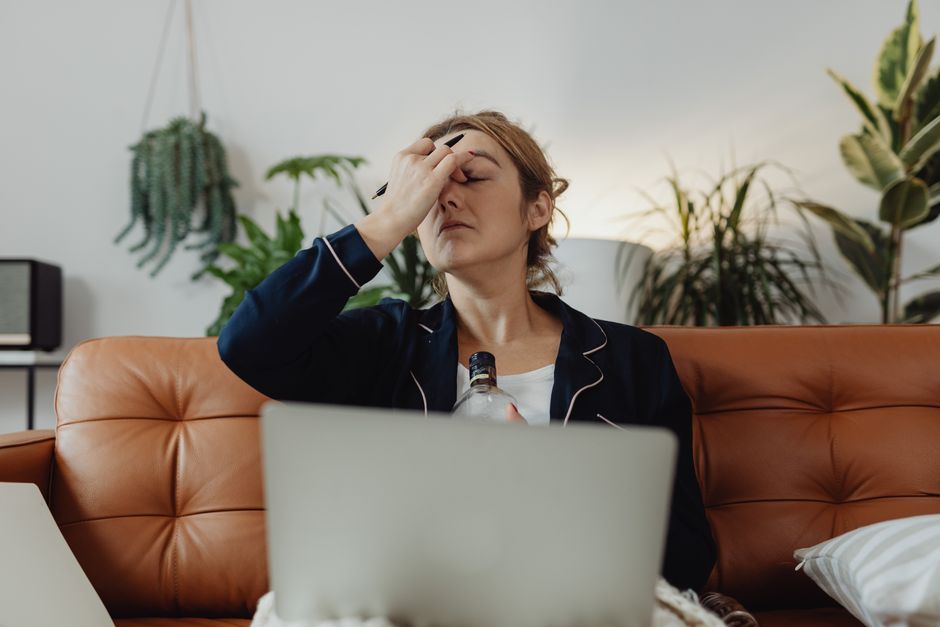
Yes, alcohol can cause diarrhea. It is a common trigger for digestive upset. For many people, even one drink can lead to loose stools or urgent bowel movements. This happens because alcohol speeds up how fast food moves through your colon. It also messes with how your gut absorbs water and nutrients. The result is often diarrhea within hours of drinking.
This is not just a hangover issue. It affects casual drinkers too. If you have noticed a pattern between drinking and bathroom trips, you are not imagining it. The link is well-documented in medical research. Let us look at why this happens and what you can do about it.
How Does Alcohol Trigger Diarrhea?
Alcohol irritates the lining of your stomach and intestines directly. Think of it as a mild toxin that your body wants to get rid of quickly. To flush it out, your gut speeds up its muscle contractions. This is called increased motility. Food and waste move through your system faster than normal. There is less time for your colon to absorb water back into your body. The result is watery, loose stool.
Alcohol also damages the tiny finger-like projections in your small intestine called villi. These villi help absorb nutrients and water. When they are irritated from alcohol, they do not work well. That means more fluid stays in your intestine instead of being absorbed. This extra fluid gets pushed out as diarrhea.
Research shows that alcohol changes the balance of bacteria in your gut. This is called the microbiome. A healthy microbiome helps with digestion. Alcohol can kill good bacteria and let harmful bacteria grow. This imbalance can cause loose stools even after the alcohol itself is gone from your system.
How Much Alcohol Causes Diarrhea?
There is no single number that applies to everyone. Some people get diarrhea from one glass of wine. Others can drink several beers without any issue. Sensitivity varies widely based on your genetics, gut health, and what you eat while drinking.
Studies have found that the type of alcohol matters. Drinks high in sugar or carbohydrates are more likely to cause diarrhea. Beer and sweet cocktails are common triggers. This is because the sugar pulls extra water into your intestine. The alcohol itself also stimulates the gut. So you get a double effect — sugar draws water in, and alcohol speeds things up.
Binge drinking is a stronger trigger. Having four or more drinks in a short time overwhelms your digestive system. Your body tries to eliminate the alcohol as fast as possible. That means diarrhea is more likely. As of 2026, current research suggests that even moderate drinking can cause diarrhea in sensitive individuals. It is not just heavy drinkers who deal with this.
What Does Research on Alcohol and Diarrhea Show?
Multiple studies have confirmed the link. A 2016 study in the journal Alcohol found that alcohol consumption increased gut permeability. This means the intestinal lining becomes leaky. Fluids and toxins can pass through more easily, leading to diarrhea. Another study in Gut Microbes showed that alcohol changes the gut microbiome within hours of drinking.
Research also shows that alcohol affects how your body absorbs electrolytes. Sodium and potassium are essential for normal bowel function. Alcohol interferes with their absorption. When electrolyte balance is off, your colon cannot pull water out of stool properly. The stool stays loose and watery.
Some people report that certain drinks are worse than others. Red wine contains tannins that can irritate the gut. Beer has gluten and yeast that some people react to. Mixed drinks often have artificial sweeteners like sorbitol, which are known laxatives. The evidence here is mostly based on individual reports rather than large clinical trials. But the pattern is consistent enough to pay attention to what you drink.





Could Alcohol Cause Diarrhea the Next Day?
Yes, this is very common. Diarrhea does not always happen while you are drinking. It can start hours later, even the next morning. This is often called hangover diarrhea. The alcohol has left your system, but your gut is still irritated. The microbiome is still imbalanced. Your intestinal lining is still inflamed.
The dehydration from alcohol also plays a role. Alcohol is a diuretic, meaning it makes you pee more. Losing fluids from peeing and from diarrhea can compound the problem. Your body tries to rebalance by pulling water from your tissues. But the irritated colon still cannot absorb it properly. So you end up with watery stool despite being dehydrated overall.
Eating greasy or spicy food while drinking makes next-day diarrhea more likely. These foods are harder to digest on their own. Combined with alcohol, they can trigger a strong digestive response. Your gut tries to move everything out quickly, including the food and the remaining alcohol byproducts.
What Can You Do to Prevent Alcohol-Related Diarrhea?
There are practical steps that can help. None of them are guarantees, but they reduce the risk. The most direct approach is to drink less or choose lower-alcohol options. Light beer or wine spritzers have less alcohol and less sugar than cocktails or heavy beers.
Eating a solid meal before drinking helps. Food acts as a buffer. It slows down alcohol absorption and gives your gut something to work with. A meal with protein, fiber, and healthy fats is best. Avoid eating only salty snacks or sugary foods alongside alcohol.
Staying hydrated is important. Drink a glass of water between each alcoholic drink. This dilutes the alcohol and helps prevent dehydration. It also gives your gut a break between rounds of alcohol exposure.
Some people find that taking a probiotic before drinking helps. The evidence for this is weak. Probiotics may support a healthy gut microbiome, but they cannot prevent the direct irritation from alcohol. It is worth trying if you are sensitive, but do not expect a complete fix.
Avoid drinks with artificial sweeteners. Sorbitol, xylitol, and other sugar alcohols are common in diet mixers and some light beers. These are known laxatives. Combining them with alcohol is a recipe for diarrhea. Stick with drinks that use real sugar or no sweeteners at all.
When Should You See a Doctor About Alcohol and Diarrhea?
Occasional diarrhea after drinking is normal. It does not usually mean something is wrong. But there are signs that you should pay attention to. If diarrhea happens every time you drink, even one drink, that is worth discussing with a doctor. It could be a sign of an underlying condition like irritable bowel syndrome or inflammatory bowel disease.
Chronic diarrhea from alcohol can lead to dehydration and nutrient deficiencies. If you have diarrhea lasting more than a few days after drinking, or if it happens multiple times a week, see a healthcare provider. Blood in your stool, severe abdominal pain, or unexplained weight loss are red flags that need medical attention.
Alcohol can also worsen existing digestive conditions. If you have Crohn’s disease, ulcerative colitis, or celiac disease, alcohol is a known trigger. Even small amounts can cause a flare-up. Talk to your doctor about whether any alcohol is safe for your specific condition.
Some people mistake alcohol intolerance for a hangover. Alcohol intolerance causes flushing, nausea, and diarrhea. It is more common in people of East Asian descent, but it can happen to anyone. If you consistently get sick from small amounts of alcohol, you may have an intolerance. A doctor can help you figure this out.
Common Misconceptions About Alcohol and Diarrhea
One common myth is that only cheap alcohol causes diarrhea. The price does not matter. The alcohol molecule itself is the irritant. Expensive wine or top-shelf whiskey can trigger diarrhea just as easily as cheap beer. The difference comes from additives and sugar content, not quality.
Another myth is that drinking water with alcohol completely prevents diarrhea. Water helps with hydration, but it does not stop the direct irritation of alcohol on your gut lining. Your intestines are still inflamed. Water just dilutes the alcohol slightly. It reduces risk but does not eliminate it.
Some people believe that beer does not cause diarrhea because it is mostly water. This is not accurate. Beer contains alcohol, gluten, yeast, and sometimes sugar. All of these can trigger digestive issues. Light beer has less alcohol, but it still has enough to irritate a sensitive gut.
There is also a belief that diarrhea means you are “flushing out” toxins. This is misleading. Diarrhea is not a detox mechanism. It is a sign that your digestive system is overwhelmed. Your liver handles alcohol detoxification, not your colon. Diarrhea just means your gut is irritated and moving too fast.
Frequently Asked Questions
Can one drink of alcohol cause diarrhea?
Yes, for some people even a single drink can trigger diarrhea. This depends on your individual gut sensitivity and what you eat alongside the alcohol.
Does beer or wine cause more diarrhea?
Beer tends to cause more diarrhea because it contains gluten, yeast, and often more sugar. Wine can also trigger diarrhea, especially red wine which has tannins that irritate the gut.
How long does alcohol-related diarrhea last?
It usually lasts a few hours to a day. If diarrhea continues for more than two days after drinking, you should see a doctor to rule out other causes.
Can alcohol cause diarrhea even if you do not drink much?
Yes, even moderate drinking can cause diarrhea in sensitive individuals. The amount that triggers a reaction varies widely from person to person.
| Drink Type | Common Trigger Factors | Diarrhea Risk Level |
|---|---|---|
| Beer (regular) | Alcohol, gluten, yeast, carbonation | Moderate to High |
| Light beer | Lower alcohol, still contains gluten | Low to Moderate |
| Red wine | Tannins, sulfites, alcohol | Moderate |
| White wine | Sulfites, alcohol | Low to Moderate |
| Sweet cocktails | High sugar, artificial sweeteners, alcohol | High |
| Distilled spirits (whiskey, vodka) | High alcohol concentration | Moderate to High |
| Diet mixers | Sorbitol, xylitol, other sugar alcohols | High |
If you are dealing with alcohol-related diarrhea, the simplest solution is to drink less or choose drinks with fewer irritants. Pay attention to what your body tells you. Some people can handle beer but not wine. Others can handle spirits but not cocktails. There is no one-size-fits-all answer. The best approach is to test different options in small amounts and see what works for you.
Alcohol does not have to ruin your digestive health. Understanding how it affects your gut gives you control. You can make choices that let you enjoy a drink without spending the next day in the bathroom. The key is knowing your limits and respecting them.
