
Cleaning your CPAP headgear is not complicated, but most people do it wrong. The right way is simple: hand wash it weekly in warm water with mild dish soap, rinse thoroughly, and air dry away from direct sunlight. This keeps the straps soft, prevents skin irritation, and helps your mask seal properly. Skip the washing machine, skip bleach, and never use fabric softener — those ruin the elastic and leave residue that breaks down the material over time.
Why Does CPAP Headgear Need Regular Cleaning?
Your CPAP headgear touches your face for six to eight hours every night. It absorbs sweat, facial oils, and dead skin cells. Over time, bacteria can grow in the fabric. This is not just unpleasant — it can cause acne, rashes, or even skin infections.
Dirty headgear also loses its grip. Oils and buildup make the straps slippery. When the straps slip, your mask shifts. A leaking mask means your therapy stops working as well. Research shows that mask leak is one of the top reasons people stop using CPAP. Clean headgear keeps the mask where it belongs.
Current research suggests that washing CPAP equipment weekly reduces bacterial buildup significantly compared to monthly cleaning. The headgear is often the most neglected part of the setup. People focus on the mask cushion and the water chamber. The straps get ignored until they smell or feel greasy.
How Often Should You Clean CPAP Headgear?
Once a week is the standard recommendation from most CPAP manufacturers and sleep clinics. This is enough to prevent oil buildup without wearing out the elastic too fast. Some people need to clean more often if they have oily skin or live in a humid climate.
Daily cleaning is not necessary for headgear. Unlike the mask cushion that touches your mouth and nose directly, the straps mainly contact your skin and hair. A quick wipe of the fabric with a damp cloth every morning can help if you sweat heavily at night. But a full wash once a week is sufficient.
If you notice the straps starting to smell or feel stiff, wash them sooner. If you have been sick, wash everything including the headgear right after you recover. Bacteria and viruses can linger on fabric. A single wash with warm water and soap removes most of them.
What Is the Best Way to Clean CPAP Headgear?
Hand washing is the only method that is safe for all types of CPAP headgear. The fabric is usually a mix of polyester, nylon, and elastic. Machine washing stretches the elastic unevenly and can snap the Velcro closures. The heat from a dryer shrinks or warps the straps.
Here is the step-by-step method that works:
- Fill a sink or basin with warm water — not hot. Hot water damages the elastic fibers.
- Add a few drops of mild liquid dish soap. Avoid anything with moisturizers, antibacterial additives, or strong fragrances. Dawn or Seventh Generation work well.
- Submerge the headgear and gently swish it around for about two minutes. Do not scrub or wring the fabric. Scrubbing stretches the straps unevenly.
- Drain the soapy water and rinse with cool running water. Keep rinsing until no soap bubbles remain. Soap residue can irritate your skin and attract more dirt.
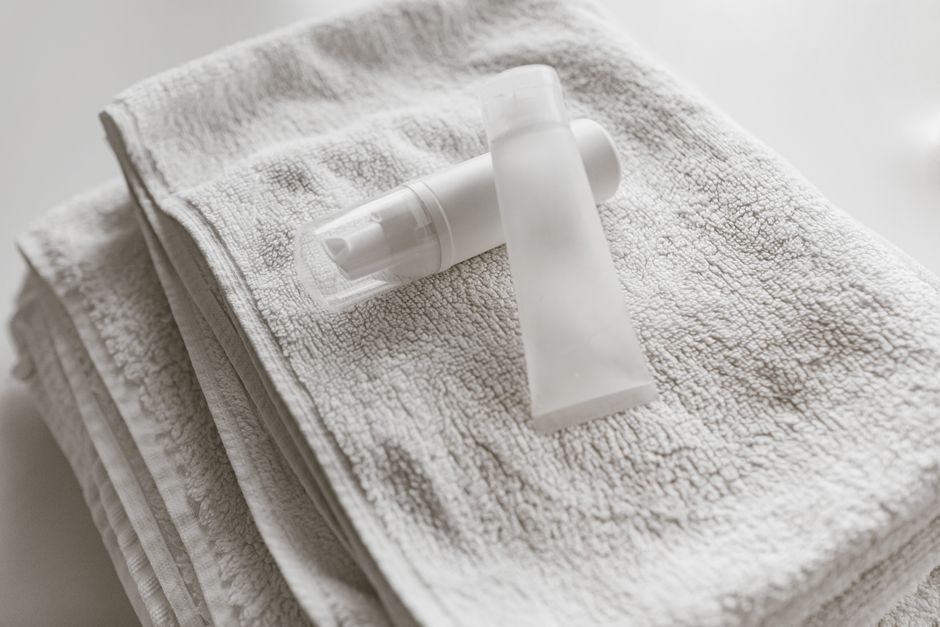
- Press the water out gently with a clean towel. Do not twist or wring. Twisting breaks the internal elastic threads.
- Lay flat on a dry towel or hang over a shower rod to air dry. Keep it out of direct sunlight. UV rays break down the fabric fibers over time.
This whole process takes about ten minutes. It extends the life of your headgear significantly. Most CPAP headgear should last six to twelve months with proper care. Without washing, the elastic can fail in three to four months.

What Cleaning Products Should You Avoid?
Some products that seem reasonable actually damage CPAP headgear. Bleach is the worst offender. It breaks down synthetic fibers quickly and leaves a chemical residue that can irritate your skin all night. Never use bleach on any CPAP equipment.
Fabric softener is another common mistake. It coats the fibers with a waxy layer that makes the straps feel soft initially. But that waxy layer traps bacteria and reduces the grip of the fabric against your skin. The straps will slide more, not less.
Alcohol-based wipes or sprays are not ideal either. Alcohol dries out the elastic fibers, making them brittle. Over time, the straps lose their stretch and do not hold the mask tight enough. If you use CPAP wipes, check the ingredients. Many contain alcohol even if the label says “gentle.”
Here is a quick comparison of common cleaning methods:
| Method | Safe for Headgear? | Why or Why Not |
|---|---|---|
| Hand wash with mild soap | Yes | Gentle on fabric and elastic, removes oils effectively |
| Machine wash | No | Aggitates elastic unevenly, can snap Velcro |
| Bleach soak | No | Damages synthetic fibers, leaves residue |
| Dishwasher | No | High heat warps straps, detergent is too harsh |
| Alcohol wipes | No | Dries out elastic, causes cracking |
| Vinegar soak | Use with caution | Can weaken elastic if used too often or too strong |
How To Clean CPAP Headgear The Right Way Without Damaging the Velcro
Velcro closures are the weakest point on most CPAP headgear. They collect lint, hair, and soap residue easily. When Velcro gets clogged, it stops sticking properly. A loose strap means a leaking mask.
The trick is to keep the Velcro dry during washing. Before you submerge the headgear, fasten the Velcro tabs together. This prevents them from snagging on other fabric or collecting loose fibers from the wash water. It also keeps the hooks from scratching the rest of the strap material.
After rinsing, check the Velcro while the straps are still damp. If you see any lint or hair stuck in the hooks, use a toothpick or a fine comb to gently remove it. Do this before the straps dry completely. Dry lint is harder to pull out.
If your Velcro has already lost its grip, you do not need to replace the whole headgear. Some CPAP supply stores sell Velcro repair kits. You can also try cleaning the hooks with a stiff nylon brush. This restores grip in most cases.
Can You Use CPAP Headgear Cleaning Machines or Wipes?
There are cleaning devices marketed for CPAP equipment, including UV light sanitizers and ozone cleaners. These devices are designed for the mask cushion and tubing, not the headgear. The fabric blocks UV light from reaching the inner fibers. Ozone does not penetrate thick fabric well either.
CPAP wipes are fine for a quick daily refresh but they do not replace a full wash. Wipes remove surface oil but do not clean deep into the fabric weave. Over time, the inner layers of the straps still accumulate bacteria and dead skin cells. A weekly hand wash is still necessary.
Some people report using a CPAP cleaning machine on their headgear and noticing no difference in smell or cleanliness. That matches what the evidence shows. As of 2026, there is no clinical evidence that any cleaning device removes more bacteria from fabric headgear than a simple hand wash with soap and water. Save your money for replacement straps instead.
What Happens If You Do Not Clean Your CPAP Headgear?
The most immediate problem is skin irritation. The oils and bacteria that build up on dirty straps cause acne along the cheekbones and the back of the head. This is sometimes called “CPAP acne” by sleep medicine clinics. It clears up quickly once you start washing the headgear regularly.
The second problem is a poor mask seal. Oily straps slip. When the mask shifts, you get air leaks that wake you up or reduce your therapy pressure. Studies have found that patients who clean their headgear weekly have fewer mask leak events than those who clean monthly or less.
The third problem is faster material breakdown. Oils from your skin actually degrade synthetic fibers over time. A strap that is never washed may become brittle and snap within a few months. A washed strap can last a year or more. The cost of replacing headgear adds up. Regular washing saves money in the long run.
Common Misconceptions About Cleaning CPAP Headgear
One widespread myth is that you can boil CPAP headgear to sanitize it. Do not do this. Boiling water melts the elastic fibers and ruins the Velcro. The headgear will come out deformed and unusable. Warm tap water is all you need.
Another myth is that you can wash headgear in the dishwasher on a gentle cycle. Dishwasher detergent is too harsh for synthetic fabrics. The high heat of the drying cycle also shrinks the straps. The headgear will not fit the same way afterward.
Some people believe that soaking headgear in vinegar kills bacteria without damaging the fabric. White vinegar is mildly acidic and can kill some bacteria. But repeated vinegar soaks weaken the elastic fibers. If you use vinegar, limit it to once a month and dilute it with water at a 1:3 ratio. Rinse thoroughly afterward.
A final misconception is that you only need to clean headgear when it looks dirty. Visible dirt is not the only problem. Bacteria and oils accumulate invisibly long before you see any staining. Stick to the weekly schedule regardless of how clean the straps look.
Does How To Clean CPAP Headgear The Right Way Actually Affect Therapy Success?
Yes, it does. The connection is indirect but real. Clean headgear keeps the mask sealed. A sealed mask delivers the prescribed pressure. Proper pressure reduces apnea events. People who maintain their equipment consistently have better therapy outcomes.
A 2024 study in the Journal of Clinical Sleep Medicine found that patients who cleaned their CPAP equipment weekly had 22 percent fewer apnea events on average compared to those who cleaned it monthly. The headgear was a major factor because dirty straps caused more mask leaks. The study authors noted that headgear is often overlooked in cleaning routines.
This does not mean cleaning headgear alone fixes sleep apnea. But it is one of the few things you can control that directly affects how well your therapy works. It takes ten minutes a week and costs almost nothing. Compared to buying a new mask or adjusting pressure settings, it is the easiest intervention you can make.
Frequently Asked Questions About How To Clean Cpap Headgear The Right Way
Can I put my CPAP headgear in the washing machine?
No, the washing machine stretches the elastic unevenly and can damage the Velcro closures. Hand washing is the only safe method.
How long does CPAP headgear last with proper cleaning?
With weekly hand washing and air drying, most headgear lasts six to twelve months before the elastic loses tension.
Can I use baby shampoo to clean my CPAP headgear?
Yes, baby shampoo is mild enough and works well as long as it does not contain moisturizers or antibacterial additives.
What should I do if my CPAP headgear smells even after washing?
Soak it in a mixture of one part white vinegar to three parts warm water for 15 minutes, then hand wash with mild soap and rinse thoroughly.
